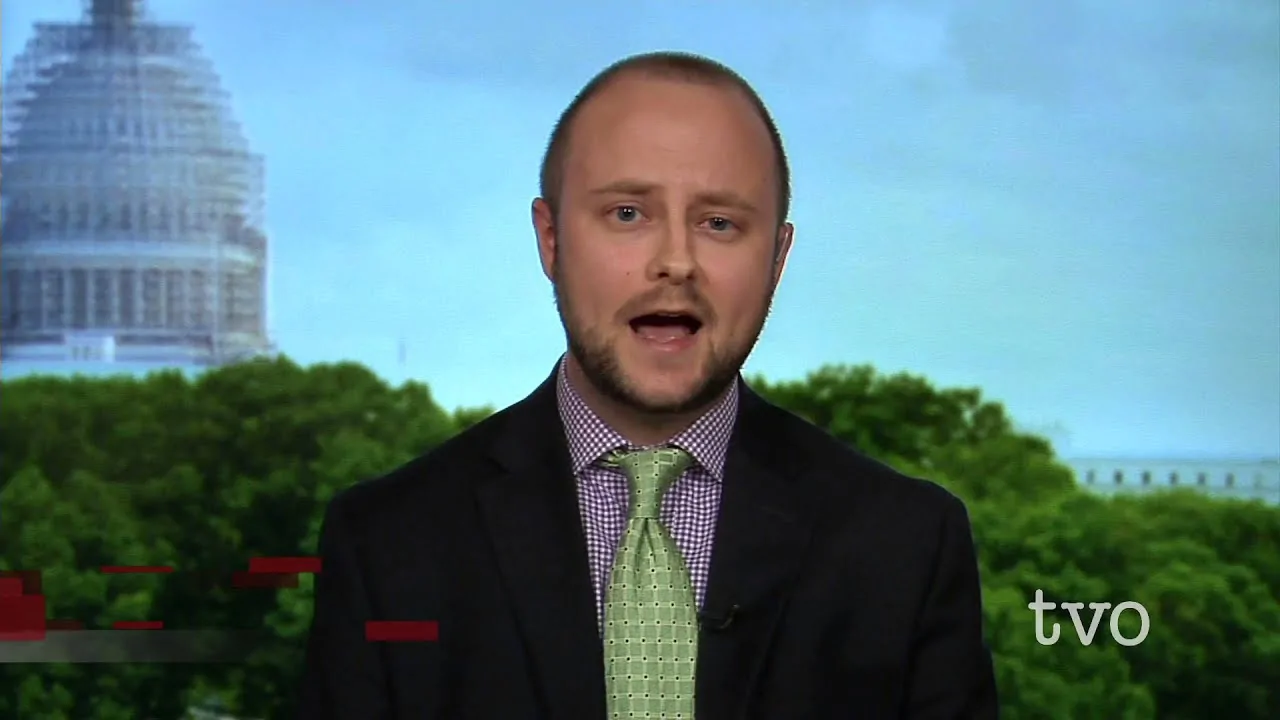
Behind the rising tide of anti-Muslim sentiment in North America and Europe lies a well-funded, organized network of individuals and groups dedicated to manufacturing fear and prejudice against Islam. Nathan Lean, research director at the Bridge Initiative at Georgetown University, exposes how this Islamophobia industry operates, who funds it, and why its tactics of reductionism and generalization are both logically flawed and deeply harmful to millions of ordinary Muslims worldwide.
The Funding Behind Islamophobia
This is not a grassroots movement born of genuine concern — it is a coordinated industry backed by staggering amounts of money. The Center for American Progress reported that over $42 million went to just seven anti-Muslim groups over a ten-year period, while the Council on American-Islamic Relations puts the figure closer to $120 million between 2008 and 2011. These funds support bloggers, pop-up nonprofits, and political campaigns all designed to advance anti-Muslim prejudice into mainstream society.
“While a significant number of people do have legitimate concerns about violence, there is a network that exists expressly for the purpose of whipping up fervor. These groups are heavily funded and they’re pretty successful at it.”
How the Islamophobia Industry Operates
- Cherry-picking extremism — They take the most extreme examples of violence committed by Muslims and generalize them to represent 1.8 billion people and the entire Islamic faith
- Reductionism as a weapon — When discussing Islamic law, they only mention the most extreme applications while ignoring how Sharia governs everyday matters like marriage, family, and personal conduct
- Political alliances — Hardcore pro-Israel advocacy, Evangelical Christian networks, and anti-Sharia legislative campaigns work together to advance their shared agenda
- Disguising prejudice as free speech — They wrap their message in the language of freedom and Western values while actually attacking the identity of millions of Muslims
“Bill Maher and Sam Harris cite extraordinarily extreme examples and then make generalized statements about Islam. They don’t understand that their critique is viewed by many Muslims around the world as a critique of their identity.”
Understanding Islam Beyond the Headlines
Islam is not a set of disconnected ideas floating above people’s heads — it is a central part of how Muslims view the world, interact with family and friends, and find meaning in their lives. When society obsesses over extreme examples while ignoring the peaceful, productive lives of billions of Muslims, it crosses the line from legitimate critique into outright prejudice. The truth about Islam is readily available to anyone sincere enough to look beyond the manufactured fear and engage with Muslims and their faith directly.