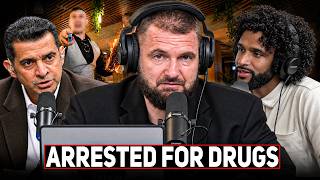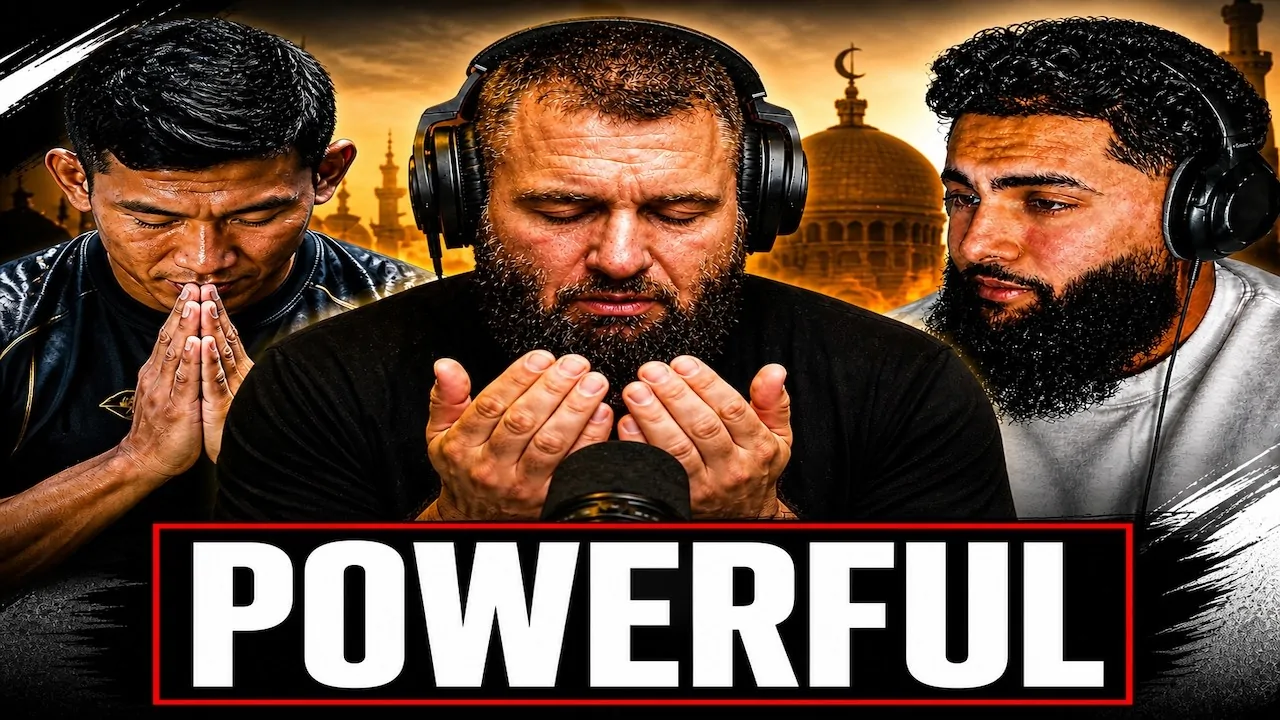
What happens when a two-division world martial arts champion sits down with an Orthodox Muslim to ask the most profound question any seeker of faith can ask — “What is the truth?” In this compelling episode of TheDeenShow, host Eddie welcomes Aung La N Sang, known as the “Burmese Python,” former two-division ONE Championship world champion, and Liviano, an Orthodox Muslim scholar and online content creator well-versed in comparative scripture. What unfolds is not a debate designed to score points, but a sincere, open-hearted dialogue between a Christian fighter genuinely curious about Islam and a Muslim who has spent years studying both the Bible and the Quran. This conversation is a powerful reminder that spirituality, purpose, and the search for divine guidance are universal longings — and that believers across traditions can engage one another with both intellect and respect.
A Champion Drawn to Islam by the Character of Muslim Fighters
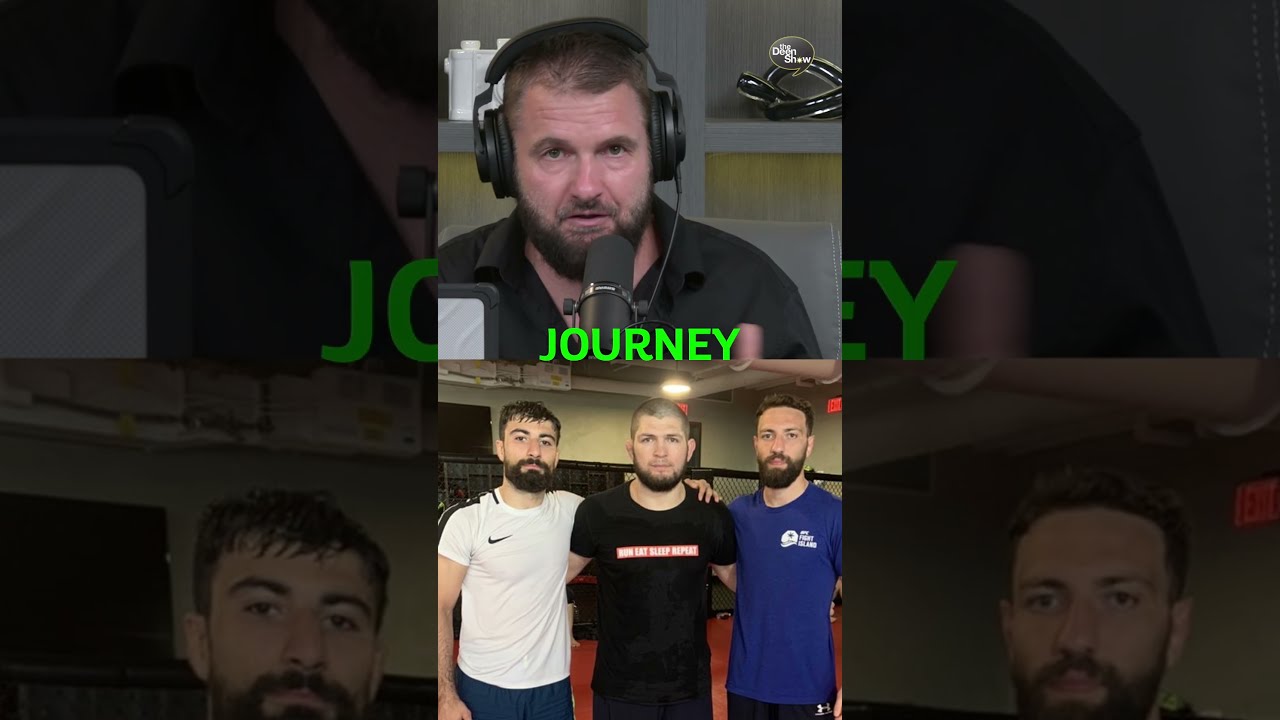
Aung La N Sang’s path toward curiosity about Islam didn’t begin in a mosque or with a book — it began in a gym. Training alongside elite Muslim fighters including Abdul Lazi Islam, Shafkat Rakmanov, and fighters from Khabib Nurmagomedov’s camp, he witnessed firsthand the fruit of Islamic faith expressed through human character. What struck him was not performance or posturing, but the quiet, consistent witness of men who prayed together, supported one another, and carried themselves with a rare combination of discipline and humility. His openness to Islam began not with theology but with akhlaq — the embodied character that Islam shapes in those who sincerely follow it. He also shares that his own Christian faith went through seasons of doubt, and that reading the Bible from cover to cover through a study group helped him reconnect with a personal relationship with God — a testimony that reveals his sincere spiritual hunger. Key insights from this portion of the conversation include:
- Aung La N Sang was drawn to learn about Islam through the visible brotherhood, discipline, and humility of Muslim MMA fighters he trained alongside.
- He grew up Christian and attended Andrews University, a Seventh-day Adventist institution, but his faith wavered during college before being renewed through personal Bible study.
- He openly acknowledged the difference between what the institutional church taught him and what he discovered when reading scripture for himself — a theme that resonates with the Islamic emphasis on direct engagement with revelation.
- His genuine curiosity about Islam led to this episode’s invitation: an open-floor discussion with no agenda other than seeking truth.
“They were so disciplined, so humble, and so hardworking. I thought to myself, man, these are just great genuine people. They are the ones that drew me to wanting to learn about Islam. They’re just the opposite of what you think fighters are.” — Aung La N Sang
What Islam Teaches About Jesus, Truth, and the Prophetic Tradition
The heart of the conversation shifts into rich theological territory when Aung La N Sang asks directly: “In Islam, what is the truth?” Liviano’s response is grounded and clear — the truth in Islam is everything God has revealed through His prophets and messengers, accepted with complete submission. This includes belief in the Torah, the Gospel, and the Quran; in angels and the unseen; in heaven and hell; and in the reality of God Himself. Critically, Liviano explains that Muslims revere Jesus (peace be upon him) as the Messiah and a mighty prophet sent to the Children of Israel, but that the doctrine of atonement through his crucifixion — the idea that his death saves humanity from sin — was a theological development introduced later, particularly through the writings of Paul of Tarsus, rather than part of the original message Jesus preached. The Islamic understanding is that Jesus came as an apocalyptic prophet calling people to repentance and the kingdom of God — a message Muslims identify with the coming of Islam itself. Liviano also addresses the reliability of the Gospels with historical precision: Jesus’s teachings were transmitted orally for approximately forty years before the Gospel of Mark was written around 70 CE, a period during which additions, omissions, and distortions entered the tradition, evidenced by the existence of excluded gospel texts like the Gospel of Peter. The Quran, preserved through a living chain of memorization and written record from the time of revelation, serves as Islam’s criterion for discerning truth from distortion in earlier scriptures. The discussion of Old Testament prophecies — Genesis 3:15, the binding of Isaac, Micah 5:2, and Isaiah 9:6 — is handled with scholarly care, as Liviano demonstrates the importance of reading prophecy in its full textual context rather than extracting isolated verses to construct fulfillments after the fact.
“Keep forgetting — we believe in Jesus. We believe that he’s the Messiah.” — Liviano, reminding viewers that Islam’s affirmation of Jesus is profound and sincere, not a rejection
A Conversation the World Needs More Of
What makes this episode extraordinary is not the theological content alone — it is the spirit in which it is conducted. Three men from different backgrounds — a Burmese-American MMA champion, an Orthodox Muslim content creator, and an American Muslim host — sit together without hostility, without caricature, and without the performative combativeness that too often passes for interfaith dialogue online. Aung La N Sang repeatedly affirms that he is not being attacked, that he appreciates the conversation, and that his questions come from genuine curiosity. Liviano consistently models the Quranic principle of calling to truth with wisdom and beautiful exhortation, engaging even difficult counter-arguments with patience and precision. For Muslims watching, this episode is a reminder that dawah — the invitation to Islam — is most effective when it flows from authentic relationship and intellectual honesty. For non-Muslims, it offers a rare, un-sensationalized window into how an Orthodox Muslim understands scripture, prophethood, salvation, and the nature of Jesus. The world champion who entered that conversation asking “what is the truth?” may not have left with all the answers — but truth, in Islam, is a journey of sincere submission to what God has revealed, and every honest question is a step closer to the light of divine guidance.