In the summer of 1995, in the hills of eastern Bosnia, over twenty thousand Muslim civilians — men, women, children, and the elderly — fled burning villages and the advancing Serbian military to seek refuge at Potočari, a former battery factory roughly seven kilometres from Srebrenica that the United Nations had officially designated as a safe zone. They came exhausted, terrified, and placing their trust in the Dutch UN battalion stationed there — soldiers mandated by the international community to protect innocent non-combatants. What unfolded on July 11, 1995, and in the days that followed, was the worst genocide on European soil since World War Two: 8,372 confirmed dead, over 1,500 still missing to this day, and a wound in the heart of the Muslim world and the collective conscience of humanity that has never fully healed. For those grounded in Islam and faith, remembering Srebrenica is not optional — it is a moral obligation.
A UN Safe Zone in Name Only: The Fall of Srebrenica and the Betrayal at Potočari
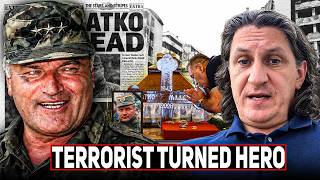
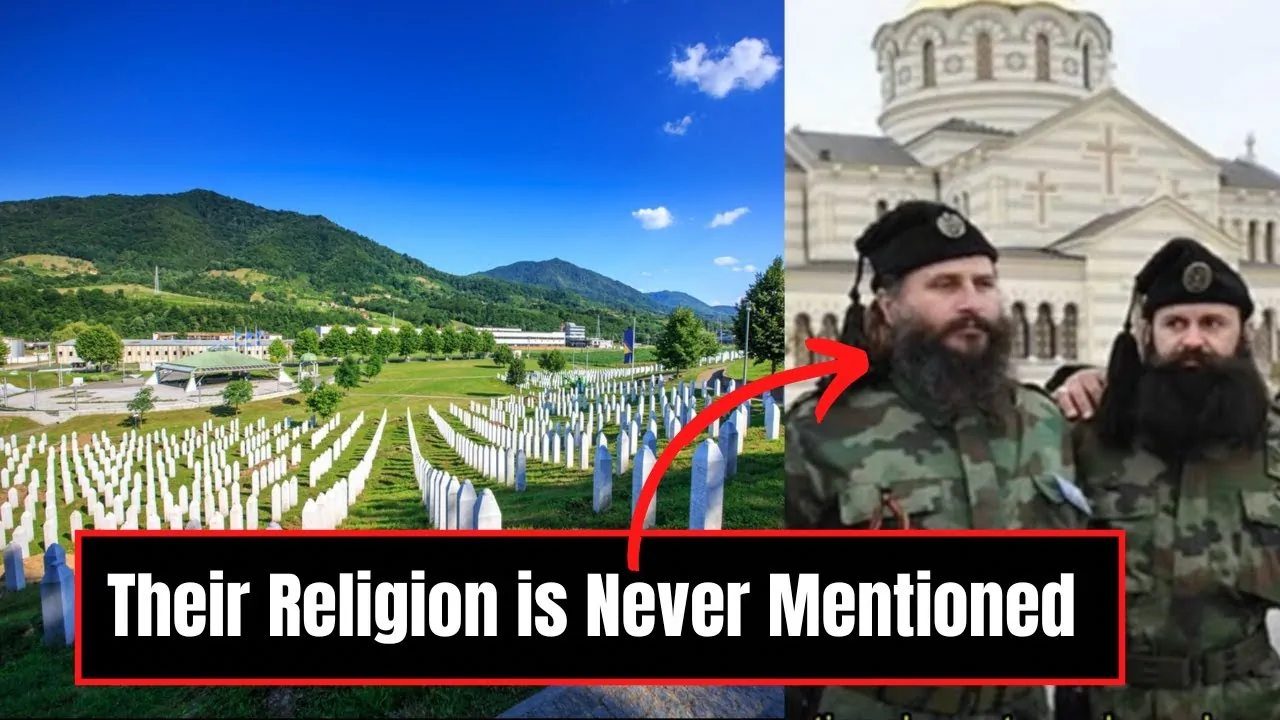
The Potočari Memorial Center stands today between Srebrenica and Bratunac, on the very ground where the atrocity was enabled. As Serbian aggressor forces burned villages and killed indiscriminately across the region, Muslims from every surrounding area ran here — believing the UN mandate and the presence of Dutch UNPROFOR peacekeepers meant safety. On July 11, when forces of the Republika Srpska under General Ratko Mladić arrived and took control, the Dutch battalion offered no meaningful resistance. Men and boys were systematically separated from women, children and the elderly — those separated were first taken to a building known locally as the “White House,” where they were tortured, then deported to execution sites and killed in mass graves. Women and girls faced rape as a systematic weapon of war. Inside the very Dutch command headquarters now preserved as part of the memorial, graffiti left by the supposed peacekeepers reads: “I’m your best friend, I kill you for nothing” — and — “Killing is my business, and business is good.” These were the inscriptions of men entrusted with protecting innocent human lives. One convicted war criminal killed one hundred people and received just five years in prison — a grotesque illustration of the failure of earthly justice when stripped of any higher moral framework.
“This hole serves as a memorial room — a testament to the atrocities where thousands sought refuge but met their tragic fate. It is a solemn reminder of the 8,372 confirmed lives lost to the genocide at Srebrenica, with more than 1,500 victims still missing and awaiting identification.”
- Potočari was a UN-designated safe zone; Muslims from across the region fled there under international protection as Serbian forces burned their villages
- On July 11, 1995, the Dutch UN battalion (DutchBat) allowed Republika Srpska forces to overrun the enclave without resistance
- Men and boys were forcibly separated from women and children, taken to the “White House,” tortured, and then executed in mass killings across the surrounding territory
- 6,643 victims have been buried at the Potočari memorial cemetery; annual burial days continue as DNA identification yields newly confirmed remains — 33 were buried in the most recent commemoration at the time of filming
- Over 1,500 victims remain missing — families across Bosnia still await the dignity of a grave to visit and a name on the memorial wall
- The graffiti and artifacts preserved in the Dutch command headquarters expose a culture of moral collapse among those mandated to protect the vulnerable
Taqwa, Accountability, and Why God-Consciousness Could Have Prevented the Greatest Genocide of the Post-War Era
After abandoning Srebrenica to the slaughter, the Dutch battalion commander-in-chief insisted on throwing a party in Zagreb — beer, music, and celebration while the men and boys his soldiers had handed over were being executed in fields across Bosnia. The Dutch crown prince, prime minister, and members of Parliament attended. Survivors and witnesses rightly called it a total disgrace. This episode cuts to the very heart of what Islam teaches about the moral purpose of human existence and the danger of a life severed from spirituality and divine guidance. As Eddie reflects at the memorial, the Quran is unambiguous: saving one innocent life is as if saving all of mankind, and killing one innocent person is as if killing all of humanity. Had those Dutch peacekeepers — had any of those with the power and mandate to act — possessed even a fragment of taqwa, the God-consciousness that Islam places at the centre of the believer’s life and purpose, they would have chosen their duty over their survival instinct and their celebration. The perpetrators of this genocide — the generals, the commanders, the foot soldiers who blessed their guns with priestly rites and led what can only be described as a modern-day crusade — do not represent Christianity any more than fringe violence represents Islam. But the pattern of selective outrage and media manipulation that scapegoats Muslims while shielding other actors from accountability is one that faith-driven people, and all people of conscience, must actively resist.
“They might be able to get away with all this evil in this life — but that is why there is a Day of Judgement. The ultimate reckoning will be there, and these criminals will be held to account in the greatest court, before the Creator of all mankind.”
The slogan “Never Forget” carries immense moral weight — and it must extend to Srebrenica with the same urgency applied to every other atrocity against innocent human life. The graves at Potočari, the memorial wall bearing 8,372 names, the families who return each July to bury newly identified sons and fathers — these demand that we do more than simply remember. They call us to educate, to speak plainly about what happened here, to reject the Islamophobia and dehumanisation that made this genocide possible, and to hold fast to the universal Islamic principle that human life — every human life — is sacred before Allah. We do not forget Bosnia. We do not forget Srebrenica. And we ask Allah subhanahu wa ta’ala to shower His mercy upon the souls of the martyrs, to grant their families sabr and justice in both worlds, and to protect all of humanity from ever witnessing such a horror again — for there is only one Creator, and it is before Him alone that every oppressor, every coward, and every bystander will ultimately stand.