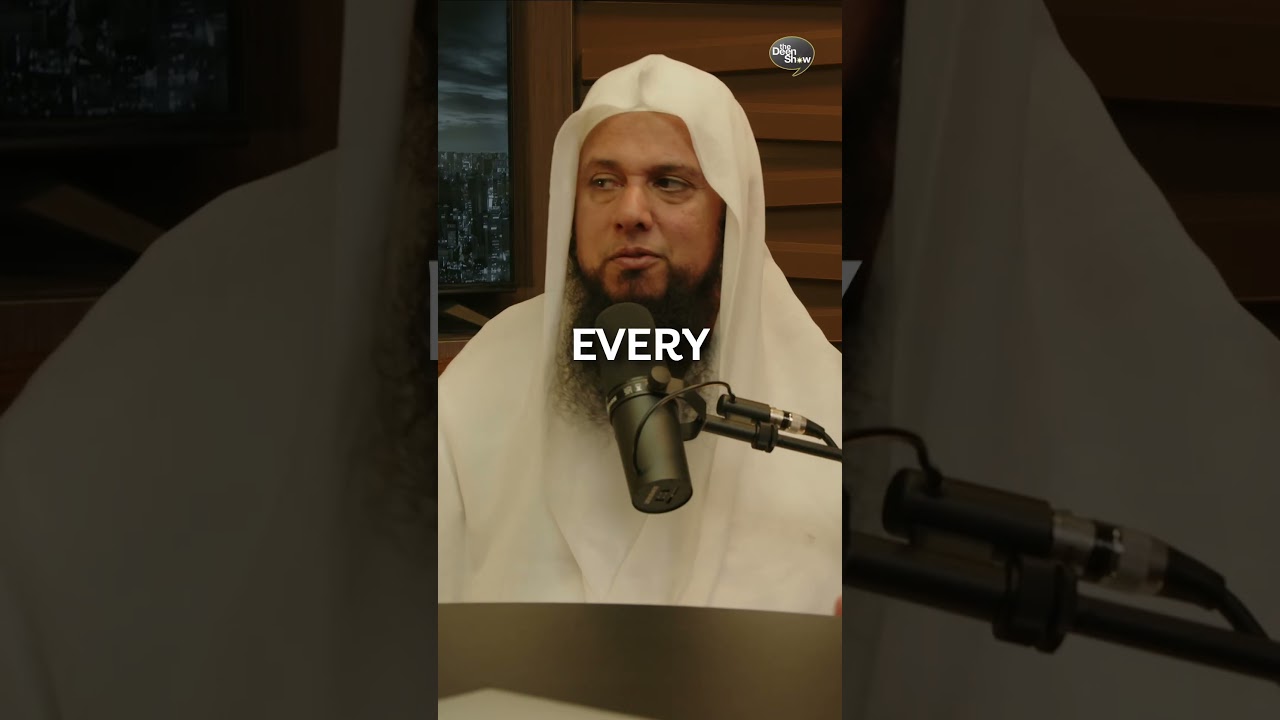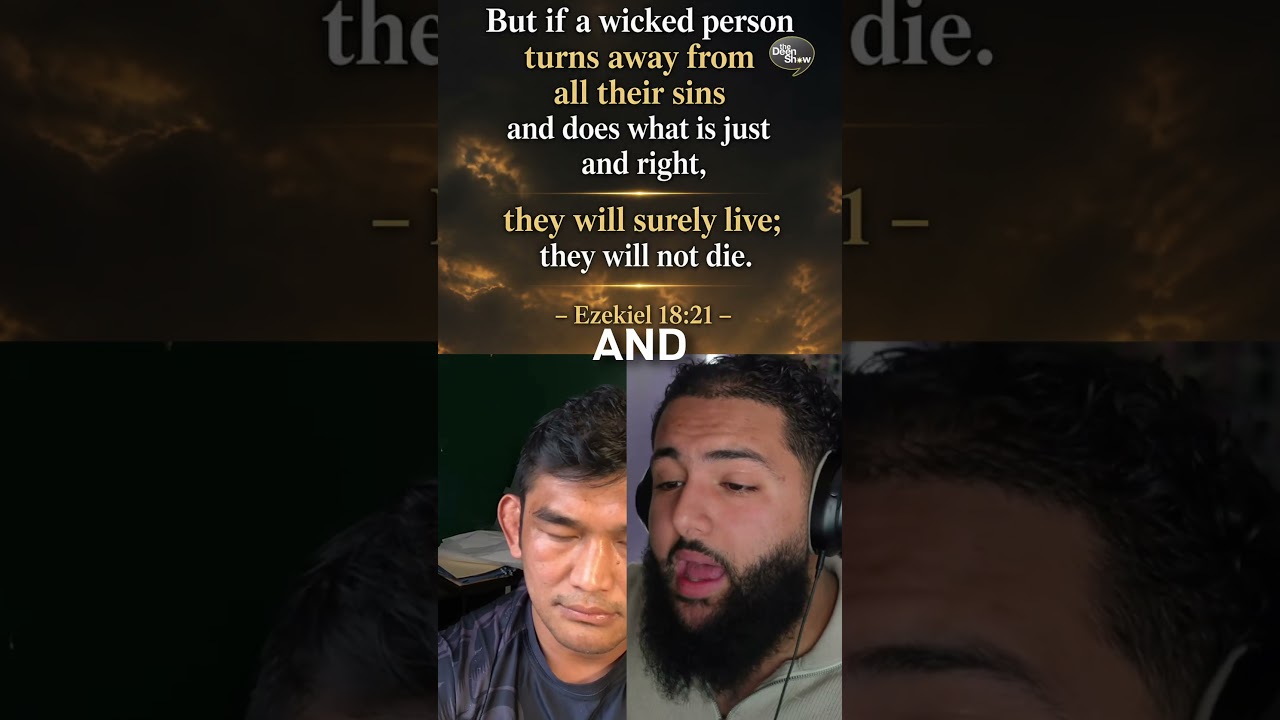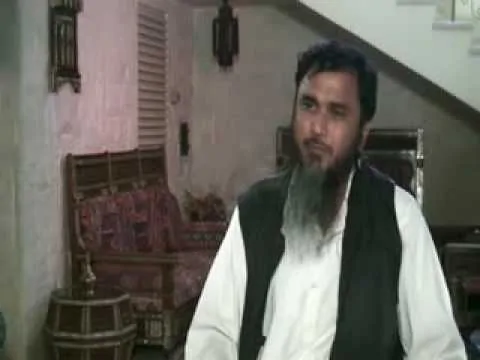
What truly stands out about a person when you first meet them? Not their wealth, not their social status — but their character: how they speak, how they treat others, and whether their word can be trusted. In this seventh episode of Why You Should Be a Muslim, hosted by Bilal Abdul Kareem, the focus shifts from doctrine to lived example — exploring the character of a Muslim as modelled by the Prophet Muhammad ﷺ, examining the spiritual emptiness that worldly success alone cannot fill, and hearing the testimony of a man who had everything life could offer yet still felt profoundly lost until he returned to the Iman already written in his heart.
The Prophetic Model of Character: Truth, Honour, and Gentleness
The Quran declares of the Prophet Muhammad ﷺ, “You are on an exalted standard of character” — and in another verse instructs believers that “in the Messenger you have a good example to follow.” These are not abstract compliments; they are a living programme for how a Muslim conducts themselves in every interaction. Truthfulness sits at the core: lying is counted among the major sins in Islam, because a person who cannot be trusted has already revealed something fundamental about their character regardless of any outward piety. Equally central is the honouring of parents — particularly the mother, whose status Islam elevates with unmistakable emphasis. Islam’s guidance on gentleness further challenges common misconceptions about the faith: the Prophet ﷺ taught that Allah Himself is gentle, loves gentleness, and bestows through gentleness what He withholds from harshness — a principle that defines the Muslim’s posture toward family, neighbours, and even those who differ from them.
The Prophet ﷺ was asked: “Who has the most right to my good treatment?” He replied: “Your mother.” Asked again: “Then who?” He said: “Your mother.” Asked a third time: “Then who?” He answered: “Your mother.” And when asked a fourth time, he said: “Your father.”
- Truthfulness: Lying is a major sin in Islam — a Muslim’s word is their bond, and integrity in speech is non-negotiable.
- Honouring parents: The mother holds the highest right to good treatment, followed by the father; the Quran prohibits even the smallest expression of disrespect toward them.
- Gentleness: Allah is gentle and loves gentleness — the Muslim character is kind, forbearing, and patient, never coercive or harsh.
- No compulsion in religion: Islam explicitly forbids forcing anyone into the faith; the invitation is always through wisdom, example, and sincere concern.
- Emulating the Prophet ﷺ: The prophetic example is the practical, living embodiment of the Quran’s moral teachings — the clearest standard of purpose-driven human character.
When Wealth Is Not Enough: A Journey Back to Iman
The episode also features a deeply personal account that illustrates why spiritual guidance matters even — perhaps especially — when material life appears complete. A man describes his years of indulgence: wealth, freedom, every worldly comfort. Yet beneath it all, he says, he felt a persistent insecurity, an unnamed emptiness that prosperity could not address. Born into a Muslim household but not practising, he drifted until personal crisis arrived: illness, the breakdown of his marriage, the accumulated weight of pain without spiritual footing. It was in a hospital bed that a woman — herself a Christian who had embraced Islam five years earlier — offered a reframing that changed everything. His problems, she told him, were not as great as he perceived them; the real absence was Iman, that deep conviction in the heart which alone can anchor a person against the storms of life. This encounter speaks to one of Islam’s most consistent teachings: that the five pillars and six articles of faith are not burdens, but structures of divine support — designed to keep the human being oriented toward the One who created them and to whom they will return.
“Verily, Allah is gentle and He loves gentleness, and He gives due to gentleness what He does not give due to harshness.” — Prophet Muhammad ﷺ
Islam’s invitation, as this series consistently demonstrates, is not to a religion of outward performance but to a path of genuine purpose — where every act of worship, from the five daily prayers that keep the heart connected to its Creator, to the fast of Ramadan that disciplines the soul, to the simple act of speaking truthfully in daily life, is a thread in the fabric of a meaningful existence. The character of a Muslim — gentle, honest, respectful of parents, grounded in faith rather than force — is not a product of cultural habit but of divine instruction, preserved in the Quran and embodied in the prophetic example. For anyone sincerely asking whether there is a framework that makes sense of life’s fragility, Islam’s answer is compassionate and clear: before the emptiness can be addressed, the Iman must first be examined — and for those willing to look, the path is already illuminated.