In a world flooded with fad diets, conflicting nutritional advice, and processed foods engineered for addiction rather than nourishment, the question of what to eat has never felt more confusing — or more consequential. For Muslims, the responsibility runs deeper still: our bodies are an amanah, a sacred trust from Allah (SWT), and how we feed them is an act of stewardship. On this episode of The Deen Show, health educator and former chief nutritionist Jim Marlo cuts through the noise with nearly four decades of clinical experience at the Optimal Wellness Center, offering a return to something profoundly simple and profoundly powerful — real, unprocessed food, consumed as close to its Creator-given state as possible.
Clean Food, Clean Water: Eliminating the Hidden Toxic Burden
Jim Marlo’s first principle is disarmingly straightforward: if it has a label with a list of ingredients, it is not real food. He declines coffee, soda, and processed snacks not out of asceticism but out of a studied understanding of how synthetic substances silently burden the body. Among the most overlooked dangers is the plastic bottle — so normalised in modern life that its risks go unquestioned. Plastic molecules leach into the water they contain, acting as endocrine disruptors that interfere with hormonal signalling and contribute to the epidemic of thyroid dysfunction, testosterone and oestrogen imbalances, and reproductive health problems that plague contemporary populations. His recommendation: glass-bottled spring water, or tap water filtered to remove fluoride, chlorine, and heavy metals. He extends the same logic to eggs: fresh, organic, pasture-raised eggs from a known farm — consumed raw, “the warrior way,” to preserve their full enzyme content and what he describes as a living “life force energy” — represent the opposite of the factory-farmed product he would not recommend eating even cooked. Cooking, he explains, is the fastest way to destroy enzymes; the less heat applied, the more nutritional integrity is preserved.
“The best way to overcome the darkness of disease is to turn on the light of health. Build your health — that is the surest path to freedom from chronic illness.” — Jim Marlo, Optimal Wellness Center
- Avoid plastic containers for water and food — they are known endocrine disruptors linked to hormonal imbalances, thyroid problems, and sex hormone dysregulation
- Choose glass-bottled spring water or properly filtered tap water with fluoride, chlorine, and heavy metals removed
- Reject “fake food” — if it comes with a list of ingredients, it does not qualify as real nourishment
- Prioritise raw, nutrient-dense foods — cooking destroys enzymes first, then progressively damages vitamins, minerals, and life force energy
- Source matters profoundly — organic, pasture-raised eggs from a known farm are nutritionally incomparable to commercial equivalents
- Raw animal foods are valid — nourishing traditions across all cultures have included raw egg nutrition for children and athletes; the raw food movement’s exclusive focus on plants is incomplete
Understanding Your Metabolism: Why There Is No Universal Perfect Diet
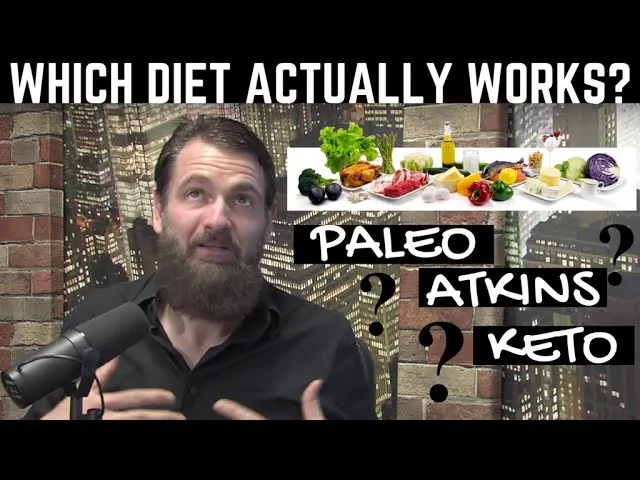
One of the most liberating insights in this conversation is Marlo’s rejection of dietary dogma. Three decades of American nutritional guidance have pushed a low-fat, plant-based model — yet Paleo, Atkins, Mediterranean, and vegan diets all have credible books filled with genuine success stories. How can they all be right? Because, Marlo explains, human metabolism exists on a spectrum. Some people are natural “carbo metabolisers” who thrive on fresh vegetable juices, salads, and plant-dominant eating. Others are “protein-fat metabolisers” who need quality animal protein and fat at most meals, and who will suffer on a forced vegetarian diet regardless of how sincerely they believe in it. The Paleo diet echoes the ancient wisdom of eating what the Creator made available before industrial agriculture intervened — meats, fish, eggs, vegetables, fruits, nuts, and seeds. The Atkins diet serves those whose biology demands lower carbohydrate intake. The Mediterranean diet offers a balanced middle path where both animal and plant nutrition are honoured equally. None is universally superior. The real universal principle is food quality: start with real food across all categories, then pay close attention to which combinations sustain consistent energy, stable mood, mental clarity, and freedom from cravings. That honest self-awareness is, itself, a form of science — knowledge gained from lived experience.
“Real food is simple food that does not come with a label with a list of ingredients — and the fresher your real food is, the better. We have been blessed with this vehicle that carries us through life; let us honour it by putting in what the Creator has given us.” — Jim Marlo
For the Muslim seeking deeper purpose and guidance in matters of health, this episode serves as a powerful reminder that Islam has always connected physical well-being to spiritual consciousness. The Prophet Muhammad (peace be upon him) said: “Your body has a right over you.” Choosing clean, unprocessed, wholesome food; avoiding what quietly harms us; and recognising the body as a divine gift to be maintained with gratitude — this is not separate from our deen. It is an expression of it. Whether you begin by replacing plastic bottles with glass, sourcing better-quality eggs, or simply holding each item up to the question “Is this real food?” — the journey toward optimal health, toward fulfilling the trust Allah has placed in us, begins with a single, intentional, conscious choice.