Ramadan fasting may seem like a tremendous physical challenge, especially during the peak of summer with 18-hour fasts. But the science behind what happens to your body during fasting reveals that this annual practice is one of the most beneficial things you can do for your health.
What Happens to Your Body When You Fast
Fasting triggers a remarkable chain of healing and cleansing processes throughout your entire body:
- Blood vessels: Your body uses the fasting period to remove cholesterol deposits that line the blood vessels
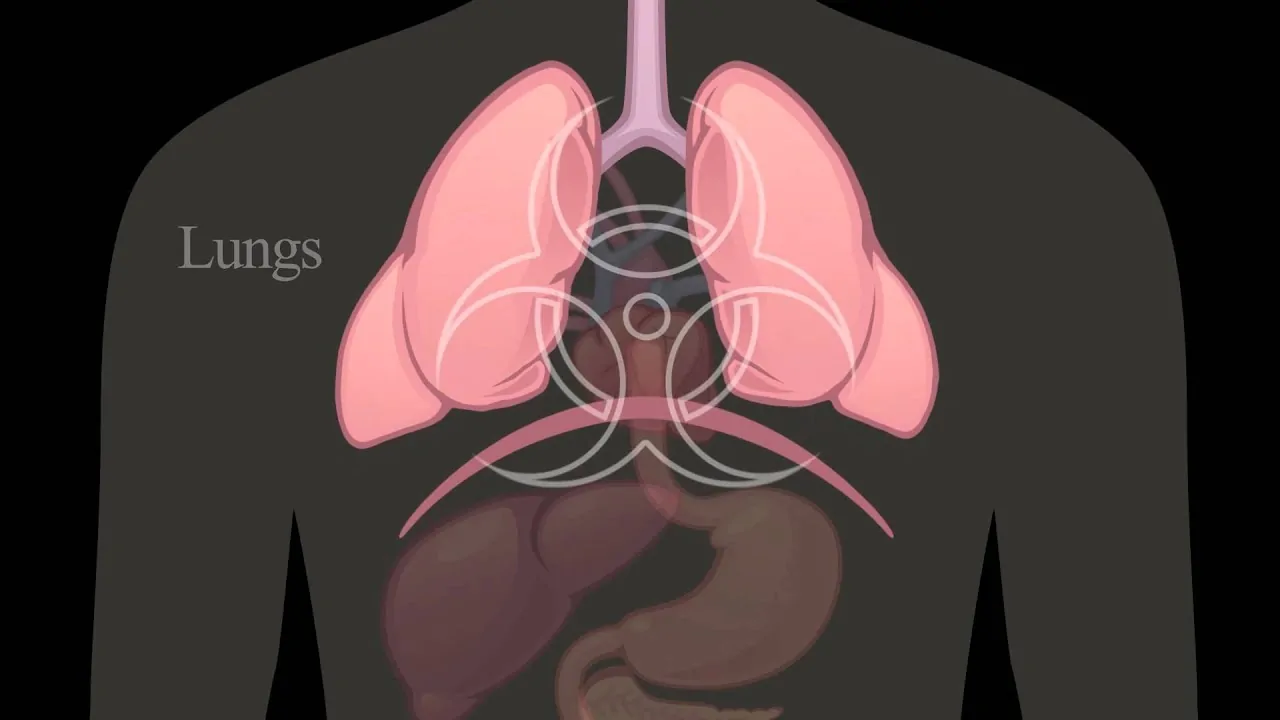
- Lungs: Fasting helps remove the thousands of toxins your body absorbs daily from the environment
- Stomach and intestines: Both use the fasting period to clean themselves and remove waste matter, allowing for more efficient digestion
- Liver: Provides glycogen as a secondary energy source and breaks down fat for additional fuel
- Kidneys: Increase diuresis, the process of excreting salt and water, which leads to lower blood pressure
“The month of fasting can be extremely beneficial for us mentally, spiritually, and physically, as long as you eat the right foods and don’t push yourself too hard physically.”
A Gift from the Creator
When less blood flows to the digestive system during fasting, more blood is sent to other tissues in the body, allowing them to heal and regenerate. This is not an accident of biology. It is divine wisdom from the Creator who designed our bodies and prescribed fasting as both worship and medicine.
By the end of Ramadan, with the right approach to nutrition and rest, you may find yourself in a healthier state than when the month began. Fasting is truly a gift from Allah to the believers.