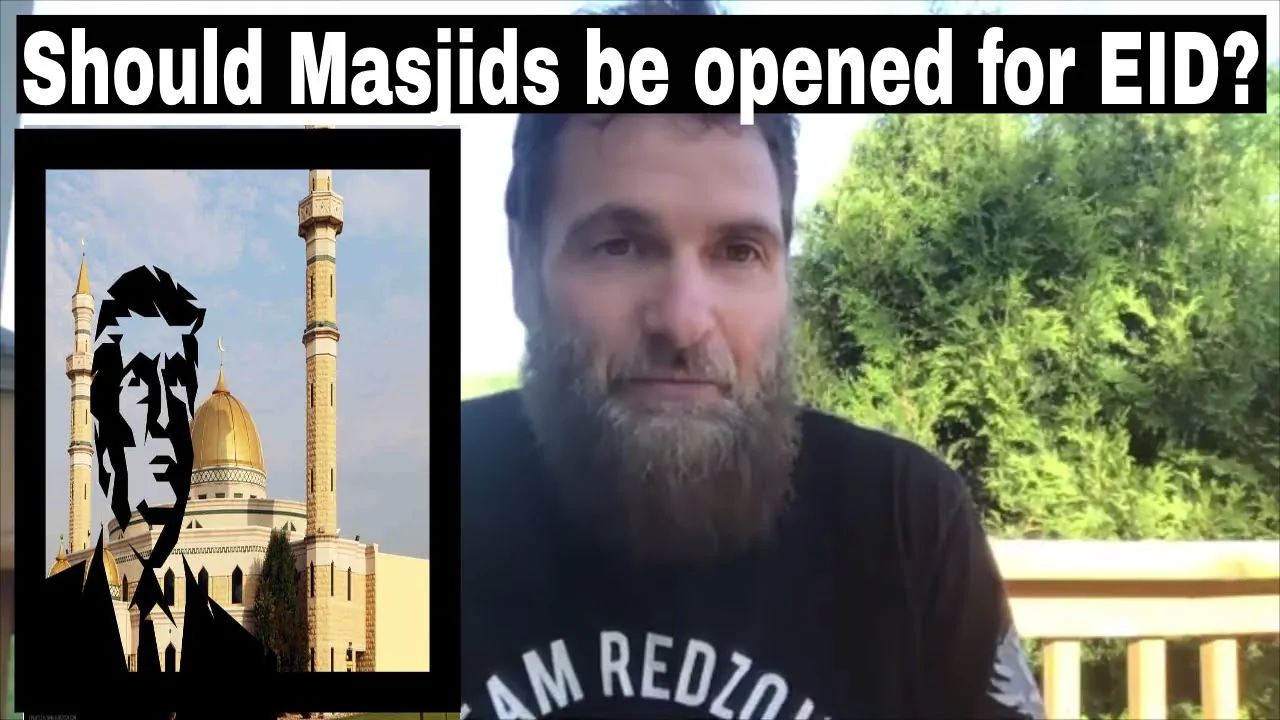
When President Trump issued a call for all churches and mosques to open the day before Eid 2020, it sparked a reaction that this episode unpacks from the Muslim perspective. The timing — Eid, the most important celebration in the Islamic calendar, coinciding with a presidential directive about religious freedom during the pandemic — raised questions about religious liberty, the relationship between the state and faith communities, and whether Muslims in America are truly free to practice their religion without interference.
Religious Freedom and the Muslim Community
The pandemic shutdowns affected every faith community, but the timing of Trump’s declaration highlighted the unique position of Muslims in America. While churches have powerful lobbying networks and political representation, mosques often operate without the same institutional support. This episode examines what religious freedom truly means for American Muslims and whether the constitutional promise of free exercise of religion applies equally to all faiths or remains a privilege reserved for the majority.
When the President said open all churches and mosques, it was a moment to ask: does religious freedom in America truly apply to Muslims, or are we always an afterthought in the conversation?
Eid and the Muslim Identity in America
- Eid is one of the two most important celebrations in Islam, marking the end of Ramadan and the completion of a month of fasting and worship
- The pandemic highlighted the vulnerability of Muslim institutions that lack the political infrastructure of Christian churches
- True religious freedom means equal treatment for all faiths — not just in law but in practice and public discourse
- Muslims must be active participants in American civic life to ensure their rights and institutions are protected
Eid is not just a celebration — it is a declaration of faith, gratitude, and community. American Muslims deserve the same recognition and support that every other faith community receives.