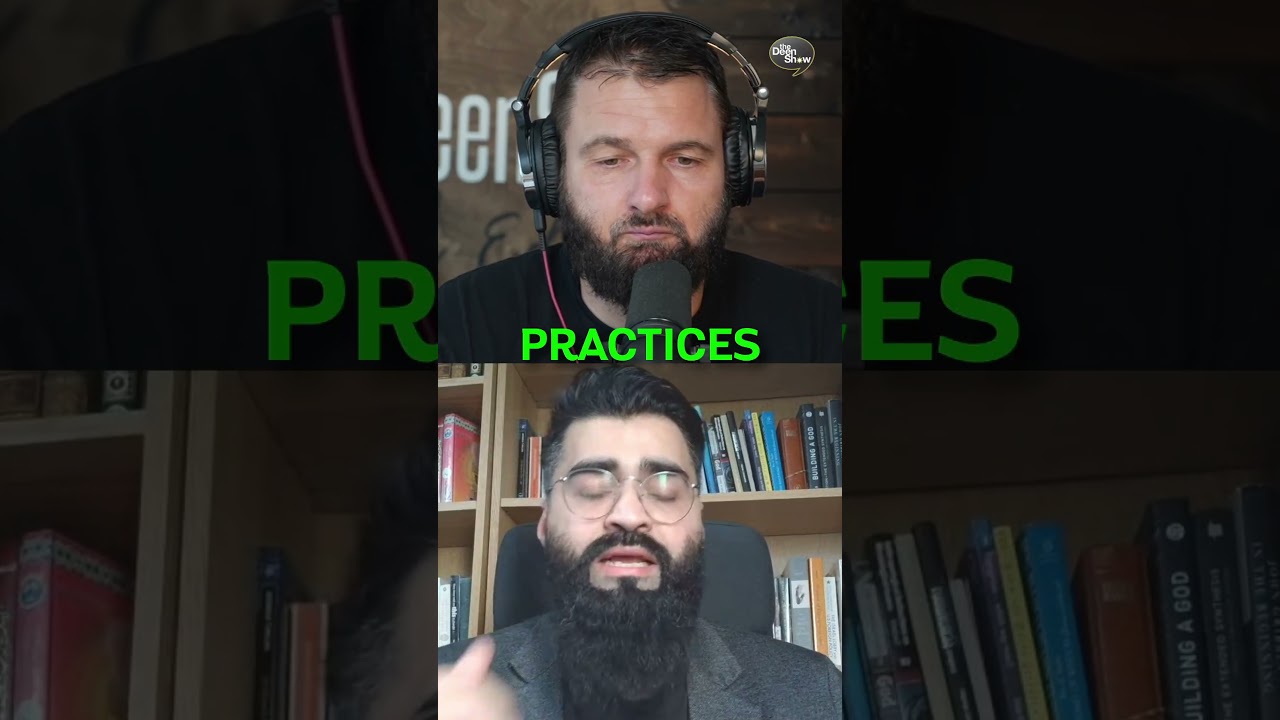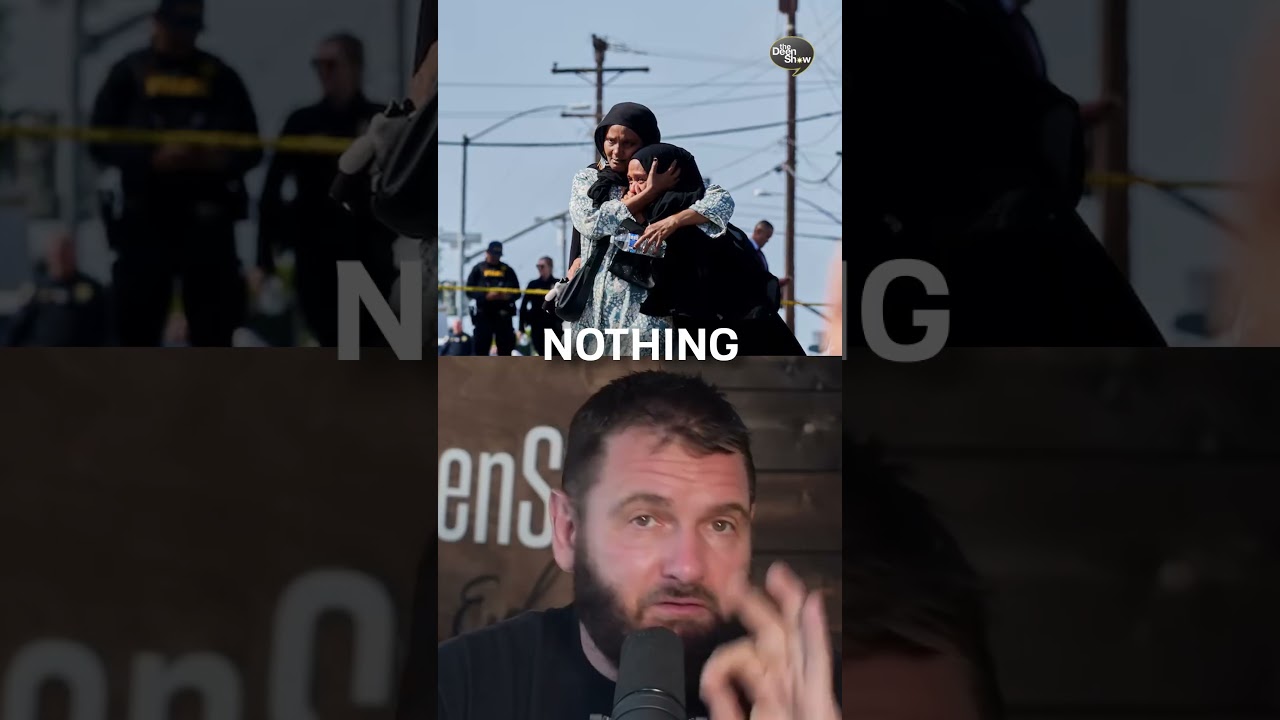
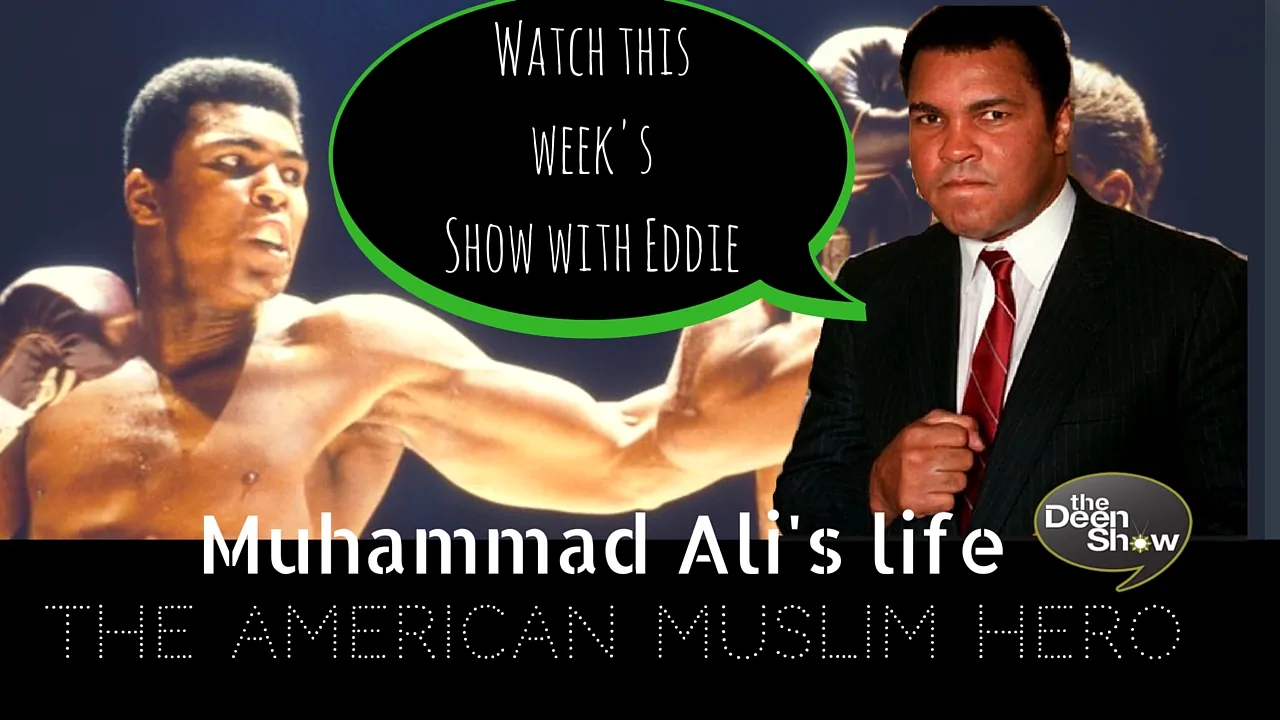
Just thirty-six hours after the world witnessed Muhammad Ali’s janaza — a funeral that drew Jewish rabbis, Christian preachers, politicians, and millions of admirers across every faith to celebrate a man whose Islam radiated mercy, justice, and unshakeable conviction — the Orlando nightclub shooting shattered that moment of unity. The media’s pivot was almost immediate: from honoring America’s greatest Muslim to demanding that 1.6 billion believers answer for a lone, mentally disturbed individual whose own ex-wife described him as deranged and whose own father said bore no signs of religious practice whatsoever. This episode of The Deen Show, joined by Dr. Sabeel, cuts through that manufactured narrative with evidence, compassion, and the living example of Muhammad Ali — the people’s champion, America’s hero, and one of Islam’s most eloquent ambassadors in modern history.
Muhammad Ali: The Heavyweight Champion of Da’wah
“I’ve been a Muslim for twenty years and I’m against killing and violence — and all Muslims are against it. I think people should know the real truth about Islam. I wouldn’t be here to represent Islam if it was really like the terrorists made it look. Islam is peace — against killing, murder, and the terrorists doing things in its name.” — Muhammad Ali
Muhammad Ali was not merely the greatest boxer of all time; he was one of the most powerful voices for Islamic faith and guidance in modern history, carrying the message of Islam with the same precision and moral courage he brought to the ring. Even as Parkinson’s disease slowed his body, he signed over five hundred Islamic brochures and pamphlets every single day — and whenever admirers approached him for autographs, he placed that signed brochure in their hands instead, ensuring his name carried the message of peace and spirituality directly into their homes. This was da’wah at its most human: no pulpit, no pressure, just a profound love for the Creator and for the Prophet Muhammad ﷺ, expressed through every blessing Allah had given him. When the Hollywood Chamber of Commerce offered him a star on the Walk of Fame in 2002, he declined to have the name Muhammad placed on the ground for people to trample — and so his became the only name in Hollywood history mounted on the wall, forever elevated, never walked upon.
- Muhammad Ali’s janaza united rabbis, preachers, and people of every background — proof that Islam, lived authentically, builds bridges rather than walls.
- The Orlando shooter’s ex-wife called him mentally disturbed; his father said he had no beard and showed no signs of religiosity — yet the media rushed to connect the act to Islam.
- The top book purchase among so-called “radicalized” individuals was Islam for Dummies — proof that ignorance, not Islamic scholarship, is the real driver of extremism.
- The Quran (5:32) is unambiguous: taking one innocent life is like taking the life of all of humanity; saving one life is like saving all of humanity.
- A chief Jewish rabbi publicly stood in solidarity with the American Muslim community and warned politicians against scapegoating Muslims — a powerful moment of interfaith unity.
- Muslim leaders and scholars condemned the Orlando attack in the clearest possible terms, consistent with fourteen centuries of Islamic teaching that forbids harming innocent men, women, and children.
- Professor Robert Pape, a political science and terrorism expert, analyzed over a thousand terrorist acts and concluded that Islam is not the cause of suicide bombings — it is foreign policy, military occupation, and prolonged injustice that create the conditions for radicalization.
Confronting the Double Standard: Justice, Root Causes, and Islam’s Consistent Position
One of the most honest discussions in this episode addresses the glaring double standard applied to Muslims whenever any violent act occurs. When a mass shooter in Norway invoked Christian symbols and killed seventy-eight innocent people, no 24-hour news cycle demanded that Christianity answer for it — and rightly so. No faith should be judged by its most misguided followers. Yet when a lone individual who, by every account, was not living by Islamic guidance commits an act of horror, the full weight of blame is thrust upon 1.6 billion Muslims and an entire religion. Dr. Sabeel makes a critical distinction: Islam does not excuse violence even where real injustices exist. The faith categorically forbids harming innocent people regardless of political grievances — and yet understanding why some individuals reach a breaking point, through decades of occupation, drone strikes, and the dehumanization of entire populations, is not a justification but a necessary step toward lasting peace. Muhammad Ali himself embodied this principled stand when he refused induction into the Vietnam War draft, sacrificing his world title, his earnings, and years of his career rather than violate his faith and his conscience.
“My conscience won’t let me go shoot my brother — some poor, hungry people in the mud for big, powerful America. They never called me the N-word, never lynched me. How can I shoot them poor people? Just take me to jail.” — Muhammad Ali
The life of Muhammad Ali is the most powerful rebuttal to every attempt to distort Islam’s true character. He changed his name from Cassius Clay to Muhammad Ali as a public declaration of faith — a statement that a Muslim is simply one who surrenders to the will of the Creator. He told his daughter Hana that pearls lie deep within shells, diamonds deep within the earth, because precious things are protected — a tender, unforgettable lesson about modesty, dignity, and the elevation Islam grants every woman. He challenged atheists with the logic of creation: if a glass cannot make itself, how did the moon, the stars, and the entire universe come into existence without a Maker? He gave away his autograph as da’wah, stood for the rights of the oppressed, and shared his platform with all of humanity — not because Islam made him dangerous, but because Islam made him Muhammad Ali. As we reflect on his legacy alongside the tragedy of Orlando, the guidance is clear: reject the false hype built on fear and agenda, pursue genuine education about this faith, hold all acts of violence to the same standard of condemnation, and carry forward the work of sharing Islam’s true message — one of peace, justice, mercy, and purpose — with the same undefeated spirit of the people’s champion, rahimahullah.