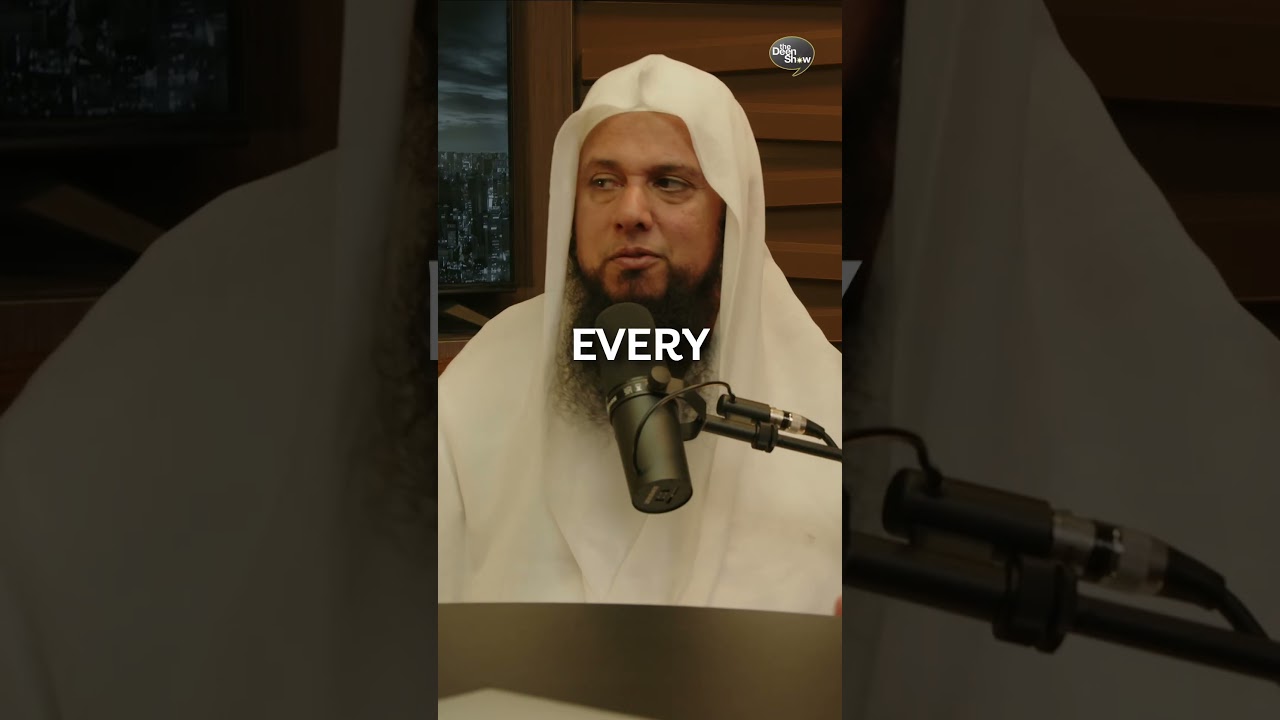
In an era where casual relationships are normalized, marriage is increasingly delayed, and commitment is treated as optional, Islam stands apart as a faith that not only preserves the sanctity of marriage but elevates it to a direct act of worship — a path that, when walked with sincerity and God-consciousness, leads to Jannah itself. This is not a romanticized notion. It is a comprehensive framework drawn from the Quran, the Sunnah of the Prophet Muhammad ﷺ, and centuries of lived Islamic wisdom, articulated here through the scholarship of Sheikh Yasir Birjas — a graduate with honors from the Islamic University of Madinah and instructor at AlMaghrib Institute — who reminds us that what the modern world calls a “lifestyle choice,” Islam calls half of one’s faith.
The Quranic Blueprint: Love, Mercy, and the True Purpose of a Muslim Marriage
Allah subhanahu wa ta’ala did not leave the question of marriage without profound guidance. In Surah Ar-Rum (30:21), He distills the entire philosophy of marital life into three transformative concepts: peace (sakinah), love (mawaddah), and mercy (rahmah). Islamic scholars identify these as the two foundational pillars upon which every lasting marriage must rest — love ignites the union, and mercy sustains it through illness, hardship, and the demands of raising children across a lifetime. The dangerous cultural illusion that marriage must be a permanent state of passionate romance causes relationships to collapse the moment that initial fire dims; Islam corrects this by teaching that love is meant to evolve, deepening from attraction into a mercy-driven companionship that grows richer with every shared sacrifice. The 21st century’s “body culture” — where a partner is chosen for their physical appearance alone, and love is treated as a feeling rather than an action — stands in direct contrast to this Islamic model, which views marriage as a sign of human perfection and a covenant that demands both parties honor their rights and their obligations with full spiritual accountability.
“Amongst His signs is this: that He created for you from amongst yourselves mates, that you may find peace and tranquility in them, and He placed between you love and mercy. Indeed in that are signs for a people who reflect.” — Quran, Surah Ar-Rum (30:21)
- A successful Islamic marriage rests on two inseparable pillars: mawaddah (love and affection) and rahmah (mercy and compassion) — love alone is never sufficient.
- There is no concept of a boyfriend or girlfriend in Islam — physical and romantic interaction is reserved exclusively for the lawful spouse after the nikah contract.
- Marriage completes half of one’s faith, channelling natural human desire into a structured, spiritually rewarding relationship that protects both individuals from sin.
- When a person is physically and financially capable and genuinely fears falling into zina (fornication), getting married becomes obligatory (wajib) — not merely recommended.
- Parents are urged to make marriage accessible by lowering financial barriers, supporting young couples during their studies, and — where necessary — facilitating the nikah contract even before full financial independence is achieved.
- Interracial and intercultural marriages are encouraged in Islam; the criterion for a suitable spouse is deen (faith) and character, not ethnic background or cultural origin.
- Illicit premarital relationships, even when they lead to marriage, sow seeds of mutual suspicion and doubt that undermine the stability of the union from the outset.
Marriage as an Act of Worship: Rights, Obligations, and the Gateway to Paradise
Perhaps the most transformative insight Islam offers on marriage is this: every dimension of marital life carries divine reward. The Prophet Muhammad ﷺ taught that earning a lawful income to support your family, feeding your spouse with your own hand, exercising patience through marital hardship, and even fulfilling the intimate rights of one’s partner are all acts of sadaqah — charity recorded by the angels. His companions were astonished when he described lawful intimacy as a rewarded act; he responded with characteristic wisdom: if the same act performed unlawfully brings punishment, then performed lawfully it must bring reward. This reframes the entire marital experience — the sleepless nights with a newborn, the financial pressures, the difficult conversations, the decades of daily sacrifice — as an unbroken stream of worship. For those struggling with desire in an environment saturated with temptation, the Islamic prescription is clear: pursue the lawful path without delay, exercise the self-discipline demonstrated every Ramadan when you restrained yourself from water and food for Allah’s sake alone, and understand that every moment of restraint in His obedience is itself a form of jihad that carries immense reward. And for those whose marriages were built on illicit foundations, the path forward is tawbah (sincere repentance), renewal of intention, and a deliberate return to the rights and obligations that Allah and His Messenger ﷺ have defined — because the blessings of marriage are only fully unlocked when the marriage itself is built upon what is lawful and what is pleasing to Him.
“The best amongst you are those who are the best to their families — and I am the best amongst you to my family.” — Prophet Muhammad ﷺ
Marriage in Islam is not a social formality, a cultural tradition, or a contractual convenience — it is one of the most direct roads a human being can walk toward purpose, inner peace, spiritual elevation, and closeness to the Creator. When two people enter this covenant with the right intention, rooted in taqwa and anchored in the guidance of the Quran and Sunnah, they are no longer two individuals pursuing separate lives — they become one unit that thinks jointly, sacrifices mutually, and builds a household that is both a foundation for society and a wellspring of ongoing worship. Whether you are a young Muslim navigating the pressures of a hypersexualised culture, a parent deciding how best to support your child’s path to marriage, or a spouse seeking to breathe new life into an established relationship, the message of Islam speaks with the same consistent clarity: honour this institution, invest in it with patience and mercy, and never underestimate what it represents — for in building a righteous home, you are not merely changing your relationship status, you are laying the bricks of your path to Paradise.