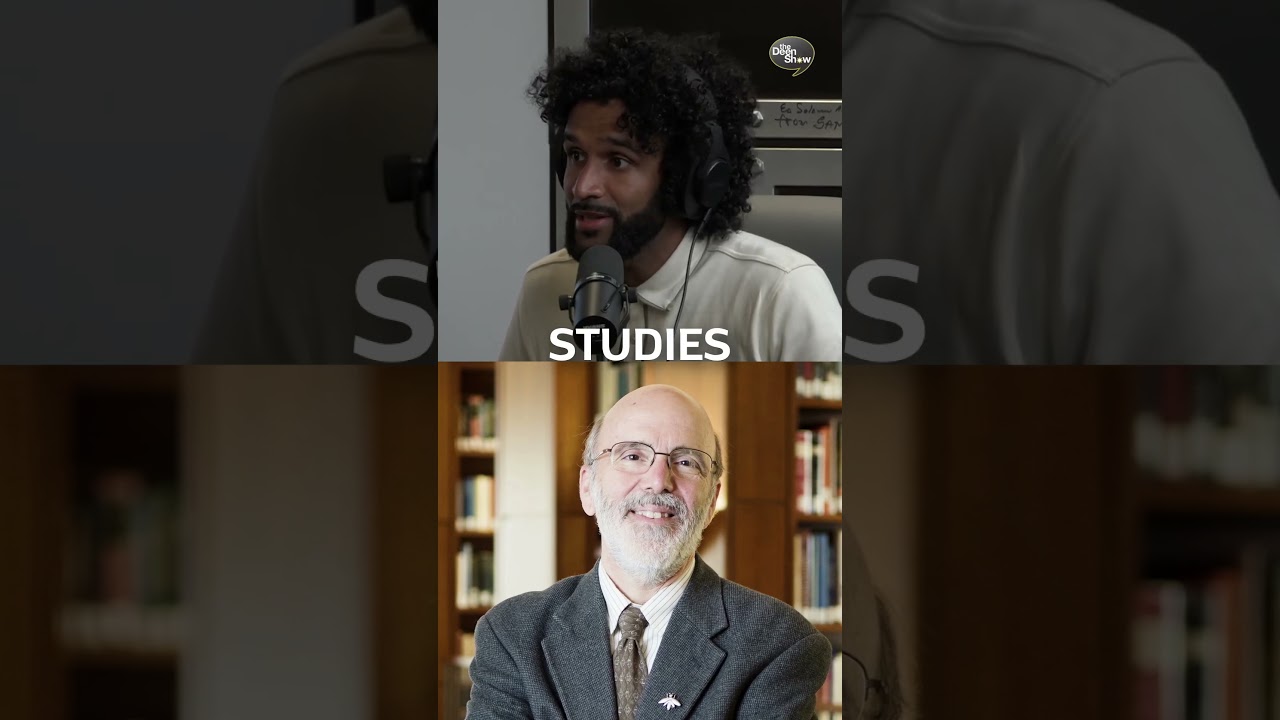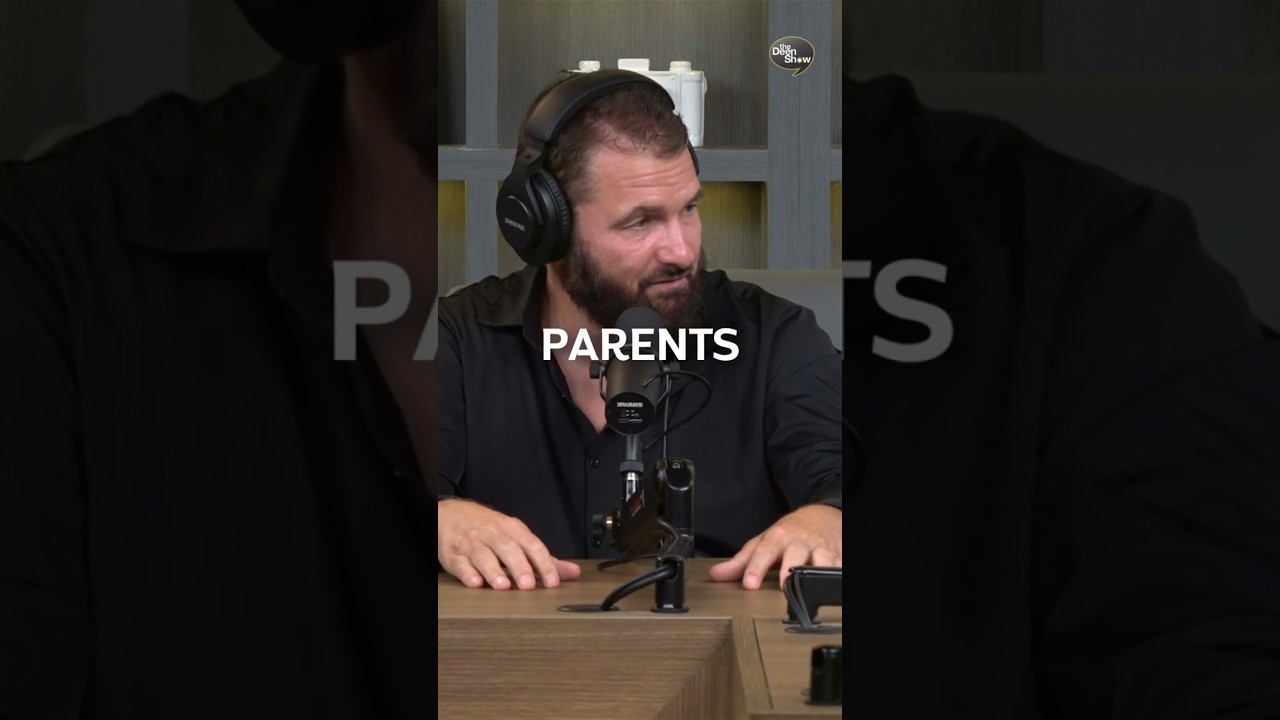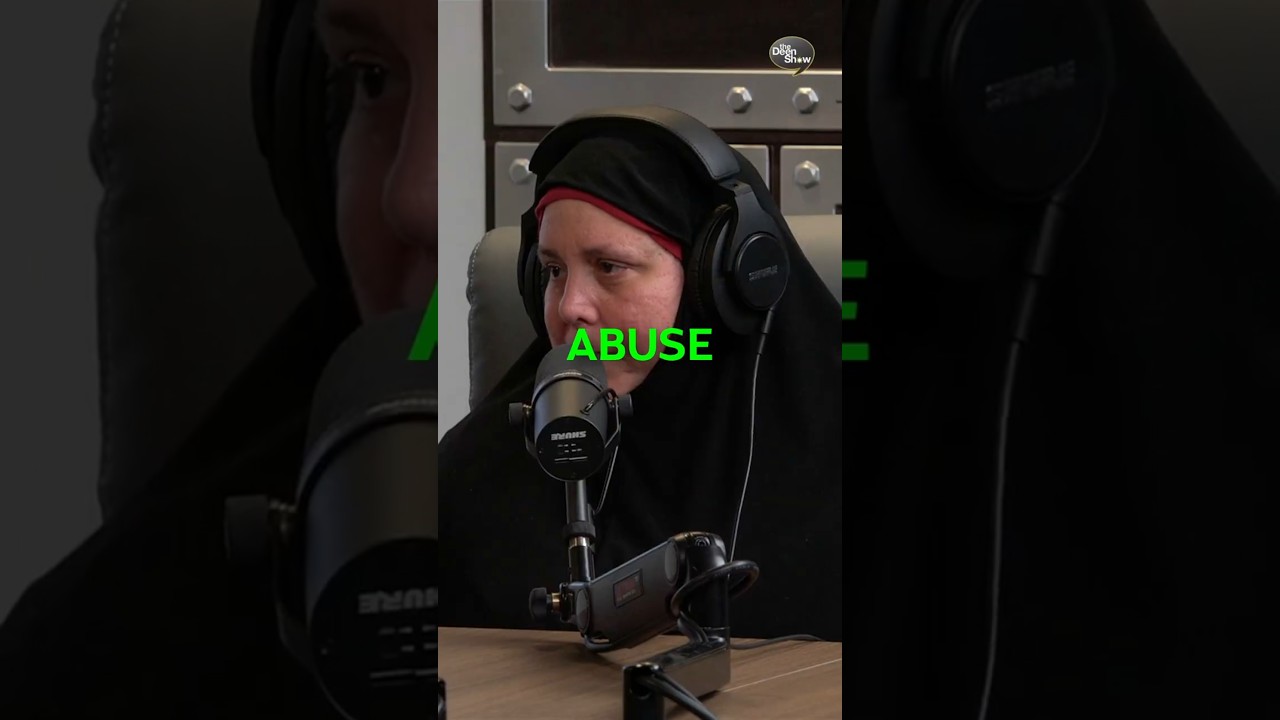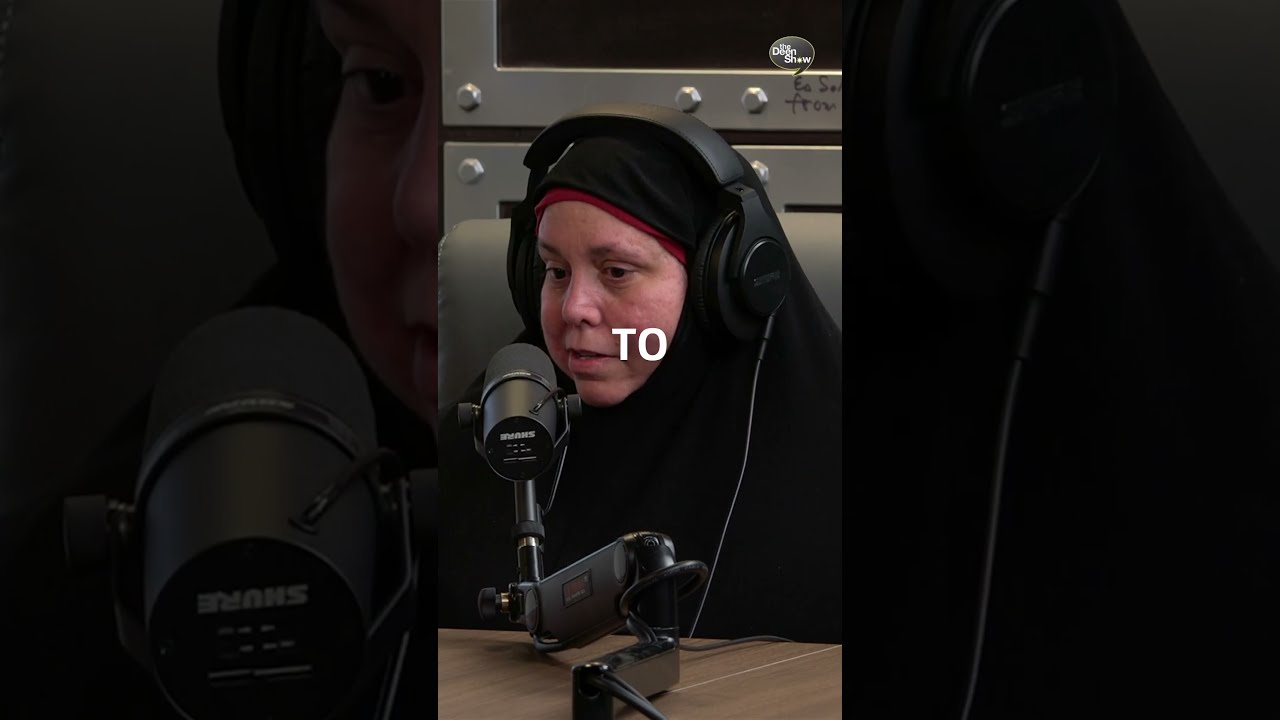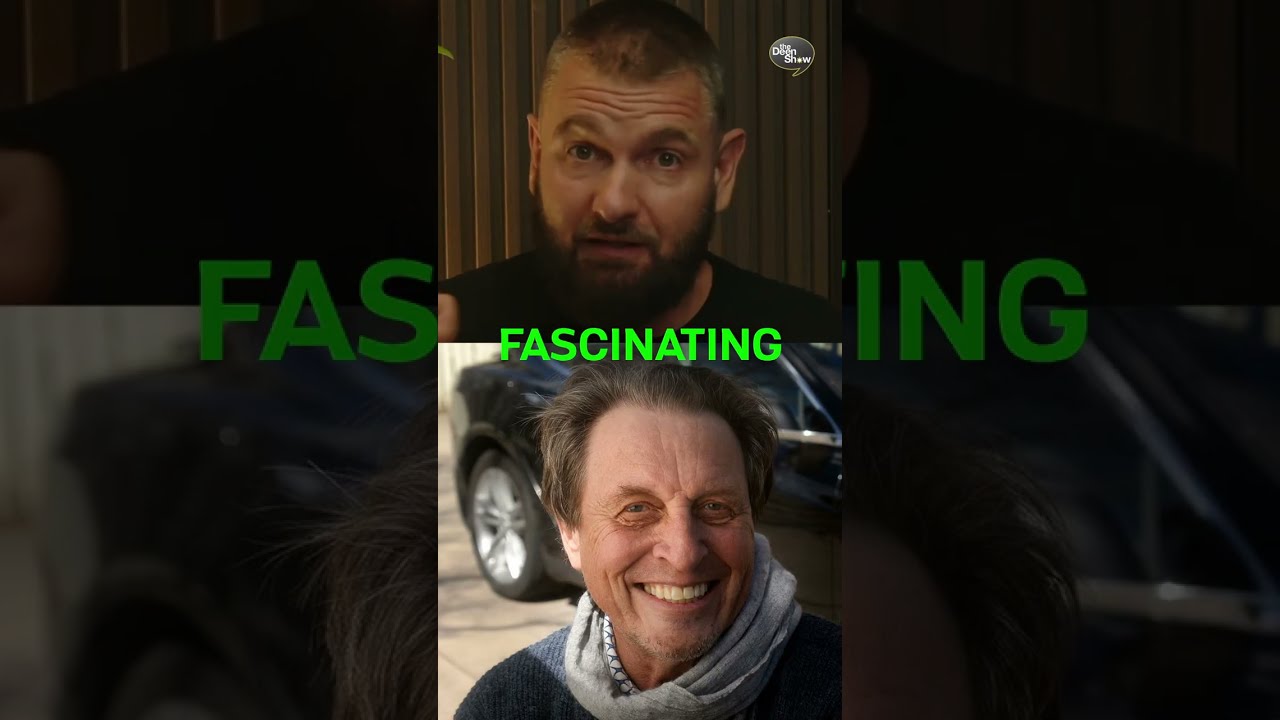
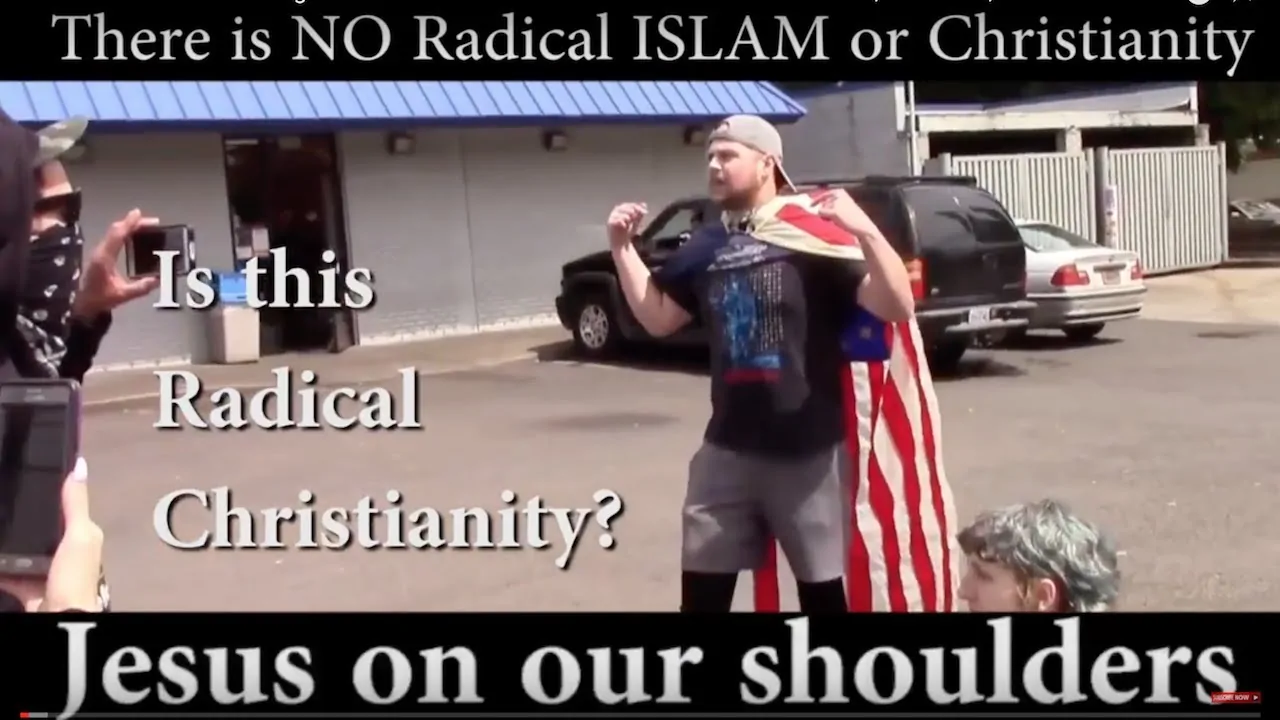
Few conversations cut as sharply to the heart of Muslim experience in the West as this one. The guest — the first blind person ever accepted into a professional wrestling school — brings an insider’s clarity to two intersecting realities that define modern Muslim life: the hollow promises of fame and stardom, and the relentless double standard that frames Muslim identity through the narrow lens of terrorism while overlooking violence carried out in other names. What unfolds is not merely a personal story but a spiritual reckoning, grounded in the guidance of Islam, that asks every believer — and every fair-minded non-Muslim — to look beyond the noise and honestly examine what gives a human life genuine meaning, purpose, and lasting worth before our time here runs out.
Behind the Ropes: The True Physical and Spiritual Cost of Pro Wrestling
Professional wrestling occupies an unusual space in the landscape of sport and entertainment — described here as “more real than a movie, but less real than MMA.” The outcomes are predetermined and the storylines scripted, but the steel-and-wood ring does not absorb impact on behalf of the wrestler’s spine. While Floyd Mayweather fought roughly 49 times in his entire career, a professional wrestler can absorb 20 to 25 matches in a single month, travelling up to 300 days a year, driving between cities after each performance, and fighting again the next morning. The cumulative physical damage creates a predictable pipeline: chronic pain leads to self-medication, self-medication leads to dependency, and what you cannot find at the pharmacy you find on the street. But beyond the physical toll lies a deeper collapse — wrestlers who wake up alone in hotel rooms despite entire arenas worshipping them, famous for victories they did not truly earn in contests with outcomes already decided. The guest witnessed this pattern from the inside, and, by the mercy of Allah, found an anchor that most of his peers never had.
“Your body is your body. If the ring is made out of steel and wood and you get slammed on that, it tends to hurt just a little. Accidents happen — people get hurt, necks are broken, and lives are lost in this high-risk sport.”
- Scripted outcomes, real injuries: Predetermined winners do not mean predetermined pain — broken necks, torn cartilage, and chronic physical damage are documented realities of the industry.
- 20–25 fights per month: The sheer volume of performances far exceeds any professional combat sport, accelerating the physical breakdown of the human body long before middle age.
- The addiction pipeline: Without adequate medical support, wrestlers historically self-medicated with painkillers and street substances, spiraling into addiction that defined — and often ended — their lives off camera.
- Fame built on a fiction: Stardom built on scripted wins creates an identity crisis — the crowd declares you the greatest fighter in the world, but you know your opponent let you win. That cognitive dissonance is its own form of spiritual poverty.
- Celebrity and mental health: Entertainers and celebrities statistically face higher rates of depression, substance abuse, and suicide than the general population — professional wrestling concentrates all these pressures into one lifestyle.
Istikhara, Fatherhood, and the Belt That Actually Matters
The guest accepted into professional wrestling school in 2005 had already been a Muslim for nine years. His response to this career-defining opportunity was not excitement or calculation — it was Istikhara, the Islamic prayer for divine guidance, sincerely asking Allah to open the path if it was good for his deen and his worldly life, and to close it if it was not. The answer came not in a vision but in the words of a veteran wrestler over lunch in Halifax, Nova Scotia, who looked at him plainly and said: “You may win a lot of belts in this industry, but one of the belts you’ll never win is father of the year.” Those words landed like a verdict. Within six days, he had booked his ticket home — turning down a promoter who begged for ten years of his life, promising wealth, stardom, and everything money could buy. Islam gave him what no promoter could: the certainty that Allah could provide far more without destroying his knees, his sanity, or his children’s childhoods. In the years since, he has travelled every continent, learned Swahili, deepened his knowledge of the Quran, and given dawah across Africa, South America, Europe, and Australia — with his spine intact, his mind clear, and his priorities anchored in the worship of the Creator rather than the adulation of the crowd. As the Quran affirms: perhaps you dislike something that is in truth far better for you.
- Istikhara as a life tool: Rather than approaching major opportunity with ego or anxiety, turning to Allah first — as this guest did — is a practice every Muslim can draw on when navigating crossroads decisions.
- The “father of the year” belt: A veteran wrestler’s raw honesty cut through the glamour of the industry — the only title genuinely worth holding is earned within your own family, not inside an arena.
- Islam as an unshakeable anchor: Without faith providing a fixed reference point, the promoter’s pitch — fame, wealth, and celebrity — would have been far harder to walk away from. Iman is not a restraint; it is a compass.
- Dawah as the better road: The travelling life of a dawah speaker mirrors the wrestling circuit in discipline and distance — but delivers spiritual reward, lasting relationships, and physical preservation rather than addiction and isolation.
- Wealth in its proper place: Islam does not condemn prosperity — many Companions of the Prophet ﷺ were people of great wealth — but insists the dunya be held in the hand, not the heart, while Jannah remains the ultimate aspiration.
Double Standards, Islamophobia, and the Muslim Obligation to Serve
“People don’t care how much you know until they know how much you care. If you’re out there telling people Islam isn’t terrorism, Islam isn’t violence — okay, but what is it then? You have to show them.”
- Context stripped from scripture: “Fight those who fight you” is a conditional injunction — attacking civilians at concerts, on bridges, or in city streets has no Quranic basis whatsoever, and presenting verses without their conditions is deliberate distortion.
- A structural double standard: No other faith tradition is held collectively responsible for its fringe members the way Islam routinely is — this reflects a media and political bias, not the reality of 1.6 billion people living ordinary, law-abiding lives.
- Stop amplifying the opposition: Every outraged Muslim retweet of an anti-Islam film is free marketing for that film. The energy belongs instead in promoting Islamic education, local service initiatives, and authentic representation.
- Local service as visible dawah: The Muslim community has thousands of mosques and thousands of doctors and engineers — the challenge is channelling that capacity into institutions the wider public can see and benefit from: free clinics, shelters, and community hospitals that demonstrate Islam through action.
- Caring for the vulnerable within the community: New Muslims ostracised by families, homeless community members, and recent arrivals need the ummah to show up practically and financially — not just theologically — so that the community’s stated values match its visible behaviour.
- Education from the right sources: Most confusion about Islam traces back to a single root problem — people receiving their “education” about the faith from sources with an agenda. Direct conversation, accessible resources, and Muslim-led outreach are the answer to this crisis of misrepresentation.
What this episode ultimately illuminates is that the same spiritual vacuum leaving a wrestling superstar alone in a hotel room at the height of his fame is the same vacuum leaving societies reaching for easy villains rather than honest mirrors. Islam addresses both: it grounds the individual in a purpose that transcends stardom or income, and it calls entire communities to demonstrate their faith through deeds visible enough to dismantle propaganda that words alone never could. The obligation on every Muslim — and especially on those living as minorities in Western societies — is not merely to defend Islam rhetorically but to embody it with a consistency so evident, so generous, and so rooted in genuine care for their neighbours that the narrative of hatred simply finds no purchase. Faith is not a talking point. It is a way of life, a complete system of guidance revealed by the Creator for the wellbeing of all creation — and that is precisely what makes it compelling to everyone still searching, sincerely, for an answer to the only question that truly matters: what is this life actually for?