
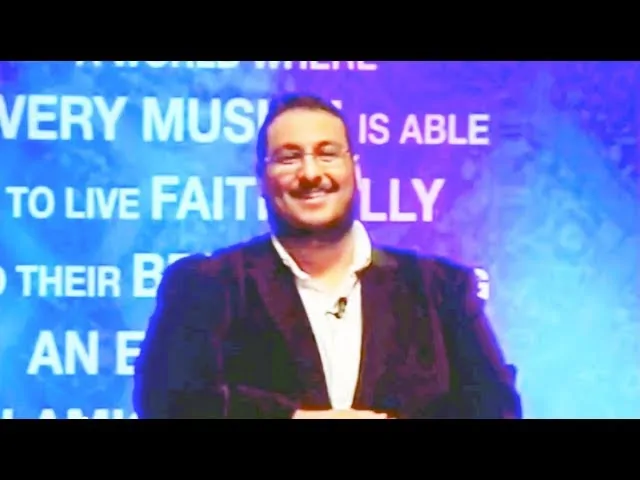
There is a question that sits at the heart of every act of worship a Muslim performs: who is it really for? In his lecture delivered at Twins of Faith 2011 in Putrajaya, Malaysia, Ustadh Yahya Ibrahim opens a profound and disquieting window into one of Islam’s most discussed yet most neglected concepts — ikhlas, or sincerity directed entirely toward Allah alone. The Prophet Muhammad ﷺ, in an authentic hadith narrated by Imam Muslim, identified the one thing he feared most for his ummah not as open shirk, but as hidden shirk — the subtle, soul-corrupting tendency to perform acts of righteousness for an audience other than Allah. This spiritual battle is not fought on a distant battlefield; it is fought inside the prayer, inside the charity, inside every moment of faith where another pair of eyes changes how we worship. The question this lecture places before every believer is not whether we worship, but whether we truly worship for His sake alone.
The Hidden Shirk That Steals from Our Salah
“And they were not commanded except to worship Allah, [being] sincere to Him in religion, inclining to truth, and to establish prayer and to give zakah. And that is the correct religion.” — Al-Quran, Surah Al-Bayyinah (98:5)
Ustadh Yahya illustrates the battle for sincerity with a scene every Muslim recognises instinctively: you pray Asr alone, completely absorbed — then a friend arrives, and something shifts. Your recitation becomes cleaner, your sujood longer, your posture more composed. This is precisely the hidden shirk the Prophet ﷺ described, and Shaytan’s mastery lies in this — he does not attack where we are weak; he infiltrates our very acts of righteousness. When Ustadh Yahya asked the Imam of Masjid an-Nabawi how he maintains sincerity while leading millions in prayer from the very spot the Prophet ﷺ once stood, the answer came in one sentence: “In the measure of your sincerity, Allah will help you to be sincere.” Sincerity is not passively received — it is a capacity earned through sustained effort. The great Imam Sufyan al-Thawri prayed Qiyam al-Layl every night for twenty years without once experiencing spiritual joy, until ikhlas finally opened a door that could not have been unlocked any other way. And Sayyida Safiyyah (may Allah be pleased with her), whose hand the Prophet ﷺ called “the longest,” was in truth the most generous in secret — her charity so hidden that no one in Madinah knew who the poor were, because she reached them in the night, unseen by all but Allah.
- Performing acts of worship differently when observed is a form of the hidden shirk the Prophet ﷺ feared most for his ummah
- Sincerity grows through private devotion — secret charity, night prayer, and worship done between you and Allah alone strengthen what is visible in public
- The cure for public insincerity is consistent private worship — what you do when no one is watching shapes who you become when they are
- Allah’s help toward sincerity is proportional to your own sincere desire and effort to attain it
- Shaytan’s most dangerous work is not tempting us away from worship, but corrupting the intention within it
Three Pathways Back to a Sincere Heart
Ustadh Yahya offers three direct pieces of guidance for any believer who wants to build an authentic relationship with Allah. The first is to purge the private life — to be honest about what we consume, who we speak to in secret, and how we behave when only Allah sees us; private life is where sincerity is either cultivated or quietly killed. The second is to guard our companionship, because the Prophet ﷺ taught that a person walks the path of their closest friend — if those around us pull us from Allah, our spirituality will erode regardless of how many conferences or lectures we attend. The third — and perhaps the most mercy-filled piece of guidance — is tawbah: returning to Allah without delay. No believer, no matter how long they have drifted, is ever more than one step away from His mercy — one sincere prayer, one moment of honest turning, one choice away from Allah’s forgiveness. To illustrate the fragility of worldly comfort without divine connection, Ustadh Yahya shares the story of a quadriplegic man with $200 million in cash who could not scratch his own back at night without feeling too ashamed to wake his nurse — a man who possessed everything the world offered and yet lacked its simplest pleasure. The lesson is clear: whatever we have been given in health, family, purpose, and ability is not ours by our own doing — it is entirely the will and blessing of Allah, and attributing it to our own effort is a form of joining something with Him.
“Every one of my ummah shall enter Jannah — except the one who says no. The one who obeys me in the way they live their life shall find it easy to reach Jannah, and the one who disobeys me in the way they live their life has said no.” — The Prophet Muhammad ﷺ
Ikhlas is not a destination arrived at once and kept forever — it is the daily, effortful work of every believer who understands that each act of worship is either drawing them closer to Allah or silently pulling them away. True sincerity runs through the private room before it ever reaches the public prayer, through the friends we choose before it shapes our character, and through repeated tawbah before it settles into a habit of the heart. Ustadh Yahya’s lecture is a powerful reminder that Allah subhanahu wa ta’ala does not measure the outward perfection of our deeds but the purity of the intention that drives them. If faith and spirituality are to mean anything in our daily lives as Muslims — in our salah, our giving, our relationships, and our pursuit of purpose — they must begin in that hidden interior space: the quiet, unwitnessed moment where it is just you and Allah, and you choose, genuinely and freely, to give your absolute best for His sake alone.