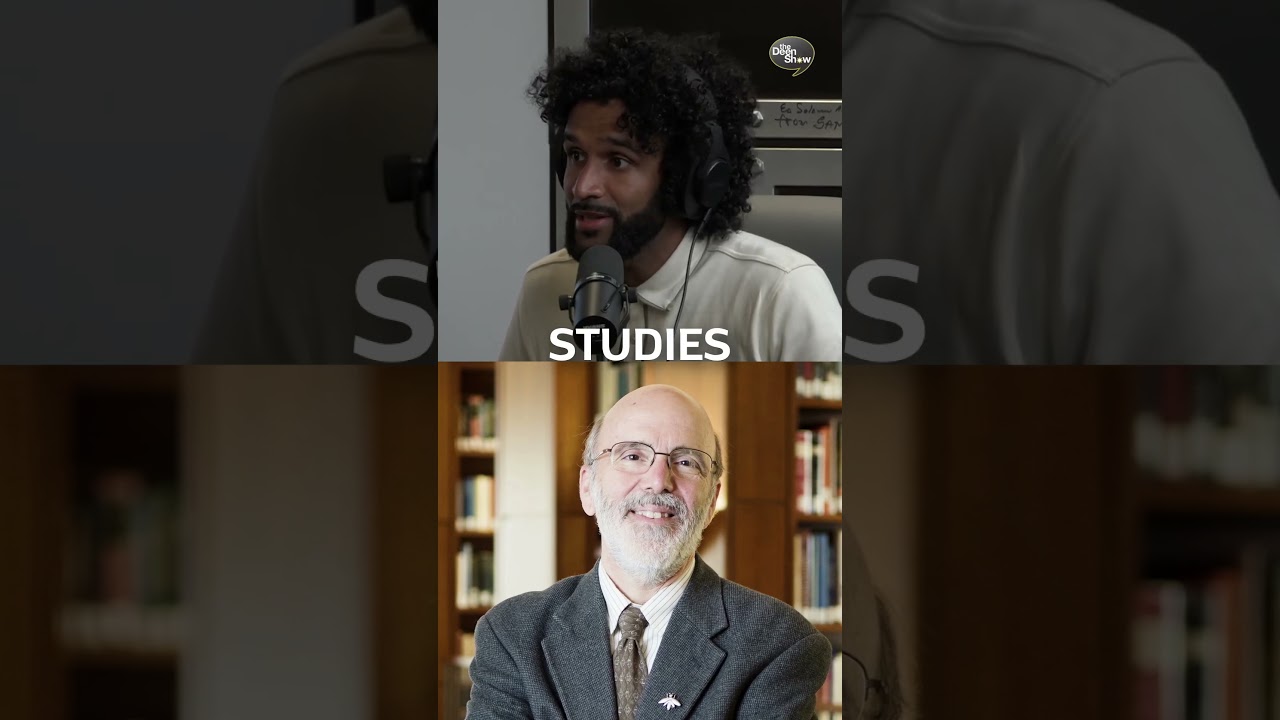
Every soul shall taste death, and every soul shall be tested — this is the unambiguous declaration of the Quran and the lived reality that connects every human being across every age and civilisation. Islam does not promise a life free from difficulty; it promises something far greater: a framework of meaning, purpose, and spiritual guidance that transforms every trial into an opportunity for growth, expiation, and elevation in rank before Allah. In this episode of The Deen Show, Sheikh Ibrahim Zidan continues his discussion on life’s challenges, drawing on the Quran, the Sunnah of Prophet Muhammad ﷺ, and profound real-life examples to explain why the believer who truly understands the test of life — from the womb to the tomb — can live with contentment, gratitude, and unshakeable peace of heart.
Why Allah Tests Us: The Divine Wisdom Behind Every Trial
“How wonderful is the situation of the believer, for all his affairs are good. If something good happens to him, he gives thanks for it and that is good for him; if something bad happens to him, he bears it with patience, and that is good for him. This does not apply to anyone but the believer.” — Prophet Muhammad ﷺ (Sahih Muslim, no. 2999)
Allah did not create life and death arbitrarily — He created them, as He declares in Surah Al-Mulk, to test which of us is best in deed. Sheikh Ibrahim explains that this test is not a punishment but a divine mechanism for revealing the true qualities within the human soul: our sincerity of faith, our gratitude in ease, and our patience in hardship. Just as no one earns the title of “doctor” without proving their competence through rigorous examination, we cannot claim to love Allah and follow His Messenger ﷺ with words alone — our actions, our responses to calamity, and the state of our hearts must confirm what our tongues profess. Tests are not reserved for the poor or the sick alone; the wealthy are tested by their wealth, spouses are tests for one another, and every relationship and circumstance in life is an arena in which our true character is either strengthened or exposed. Key principles Sheikh Ibrahim highlights from the Quran and Sunnah include:
- Tests reveal sincerity: A person who worships Allah only in ease has not truly worshipped Him — genuine faith is proven in moments of hardship and loss.
- Both ease and difficulty are tests: Prosperity tests our gratitude; adversity tests our patience — both carry immense spiritual reward for those who respond correctly.
- Patience carries unlimited reward: The Quran promises those who are patient a reward without account or limit — a bounty the human mind cannot fully comprehend.
- Trials expiate sins: Allah, in His infinite mercy, allows calamities to wipe away the sins we accumulate daily, sparing us from their full weight in the Hereafter.
- With every difficulty comes ease: The Quran affirms this truth twice in Surah Al-Inshirah — hardship is never permanent, and waiting for Allah’s relief is itself an honoured act of worship.
- Dhikr brings peace: Remembering Allah abundantly is among the most powerful means of lifting anxiety, worry, and distress from the heart.
Happiness Is Within: What Wealth and Calamity Cannot Touch
Sheikh Ibrahim shares the moving story of a brother — fully paralysed, wheelchair-bound, dependent on others even to eat — who radiated more joy, gratitude, and spiritual vitality than most able-bodied people could imagine. Stranded alone on a freezing winter street after midnight, his wheelchair battery dead, his response when found was simply: “Alhamdulillah — the bounty of Islam is the greatest bounty I have.” He inspired people to embrace Islam not through speeches but through the living proof of his tranquillity. This is the truth Sheikh Ibrahim presses home with striking clarity: happiness is not external. A man who loses five million from a ten-million fortune still has five million remaining — yet history records such men in despair, while a paralysed believer with virtually nothing smiles in the cold, entirely at peace with his Creator. The distinction is not about money or physical health; it is about whether the heart has submitted to Allah. The Sheikh then recounts a profound hadith: the most luxurious man who ever lived, after a single dip in the Hellfire, will swear by Allah he never experienced one moment of comfort in this world; and the most miserable person who ever walked the Earth, after a single dip in Paradise, will swear by Allah he never suffered a single day of hardship. This perspective reframes everything — sixty years of worldly struggle dissolve entirely in the light of what comes after.
“Verily, in the remembrance of Allah do hearts find rest.” — The Holy Quran [Al-Ra’d 13:28]
The ultimate test — greater even than the trials of this world — awaits every soul in the grave, when three questions will be posed: Who is your Lord? Who is your Messenger? What is your book? Sheikh Ibrahim reminds us that our entire earthly lives are a practical preparation to answer these questions from the heart, not merely the tongue. Those who turn to Allah alone in ease and in difficulty, who follow the way of Prophet Muhammad ﷺ, and who hold fast to the guidance of the Quran will find those answers rising naturally from within their souls. The challenges of life — grief, illness, poverty, loss — are not signs of divine abandonment but expressions of divine wisdom and love; they are the curriculum of the greatest school, the graduation from which is Jannah. The path is clear: remember Allah abundantly through dhikr and salah, place your trust entirely in Him, pursue righteous deeds with sincerity, and know with certainty that not a single moment of patient endurance is wasted in His sight. As Sheikh Ibrahim beautifully concludes, the happiest person on the face of this Earth is not the wealthiest or the most comfortable — it is the one who submits themselves fully to the Most Wise, the Most High; and that submission, which is the very meaning of Islam, is the greatest gift any human being can offer to themselves and to all of humanity.