
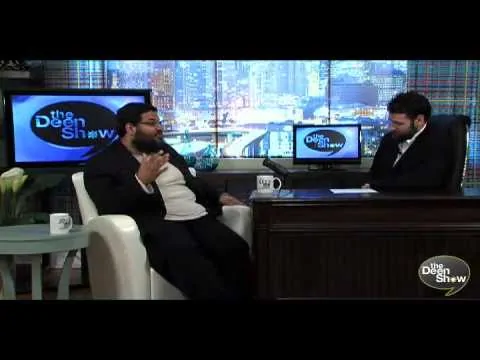
In this special Q&A episode of The Deen Show, Shaykh Dr. Waleed Basyouni, Vice President of the AlMaghrib Institute and a member of the Assembly of Muslim Jurists of North America (AMJA), answers pressing questions from viewers on topics ranging from prayer and hijab to the Islamic ruling on marijuana and intoxicants. His answers are grounded in authentic Islamic scholarship, making this episode a valuable resource for Muslims seeking clarity on everyday matters of faith.
Can You Combine or Delay Your Prayers Due to Work?
A Muslim nurse writes in asking whether it is permissible to combine the prayers she misses during work hours. Shaykh Waleed explains that Allah has prescribed each prayer at its specific time, and the Prophet Muhammad, peace be upon him, was taught by the angel Jibreel exactly when each prayer begins and ends. While Islam does offer flexibility in combining certain prayers under specific circumstances, making a habit of delaying prayers without valid justification is not acceptable. Every Muslim should strive to perform their prayers on time, as this is the most important obligation after the testimony of faith.
“Allah says in the Quran: prayer was prescribed upon the believers in certain times. The Muslim should strive to perform their prayers on time.”
Is Marijuana Permissible in Islam?
- All intoxicants and mind-altering substances are forbidden (haram) in Islam, including marijuana
- The Prophet Muhammad, peace be upon him, forbade consuming or inhaling anything that drugs the mind or alters one’s state of consciousness
- Medical marijuana prescribed by a doctor for a genuine medical need falls under the same ruling as morphine or other prescribed painkillers — it becomes permissible due to necessity
- Recreational use of marijuana, even in states where it is legal, remains prohibited for Muslims
“You want to know how to get high? Get high by reading the Quran, by committing yourself to Allah. That’s how you get high. These drugs have side effects — you might feel high, but then you’re going to be real low.”
The core message of this episode is to stay connected to Allah through prayer and avoid anything that clouds the mind and distances you from His remembrance. True spiritual elevation does not come from substances with harmful side effects — it comes from a deep, sincere relationship with the Creator. For additional questions, viewers are encouraged to visit amjaonline.com where qualified scholars can provide guidance on any matter of Islamic jurisprudence.