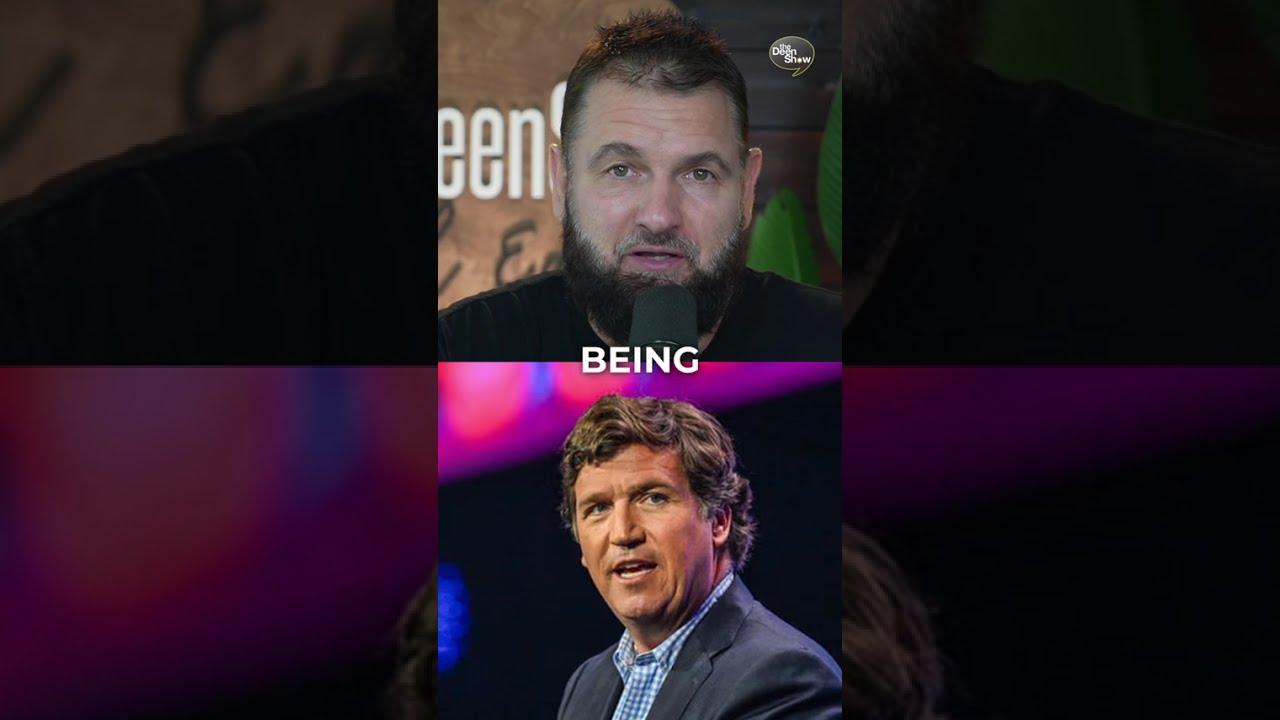
The question sounds innocent enough — “Can’t we just be friends?” — but when held against the light of Islamic guidance and honest human psychology, the answer reveals something far more consequential than most people expect. In a frank conversation on The Deen Show, scholar Nouman Ali Khan of the Bayyinah Institute unpacks why Islam draws firm lines around male-female companionship — not to restrict freedom, but to protect the heart, preserve dignity, and guard the social architecture that healthy families depend upon. This is not a conversation about cultural tradition; it is a conversation about the very purpose of human connection and the spiritual damage done when that connection is pursued without boundaries.
Islam’s Framework: Interaction With Intention, Not Isolation
Islam does not prohibit all interaction between men and women — it provides a framework in which interaction is purposeful, respectful, and supervised. The real danger, as Khan explains, is not the lab partner or the colleague but the slow, unsupervised emotional intimacy that accumulates through proximity: shared lunches, late-night study sessions, and conversations that quietly cross the line from professional to personal. Shariah, in one of its core objectives, exists to protect lineage and honour — which is why it forbids not only zinaa itself, but every pathway that leads toward it. The Quran addressed this directly, warning even the wives of the Prophet ﷺ against the very manner of speech that might stir the hearts of those in whom disease resides.
“O wives of the Prophet! You are not like any other women. If you keep your duty (to Allâh), then be not soft in speech, lest he in whose heart is a disease should be moved with desire, but speak in an honourable manner. And stay in your houses, and do not display yourselves like that of the times of ignorance…” — [Al-Ahzaab 33:32–33]
- Boys almost always know what “just friends” really means — Khan states this plainly: the awareness is there; what is often absent is the honesty to admit it, and girls frequently do not see through the elaborate, patient scheming that prolonged mixed companionship enables.
- Address the disease, not just the symptom — lecturing about hijab while ignoring the underlying spiritual disconnection, low self-esteem, or family breakdown is ineffective. Behaviour is a symptom; the root cause requires patient, one-to-one conversation.
- Guided interaction is the balanced path — neither total social isolation nor unchecked mixing. Elders shepherding respectful, purposeful interaction between young people is how Islam navigates the realities of school, work, and community life.
- Emotional attachment builds without warning — Shaytan does not convince in one move; he chips away one percent at a time until bonds form that were never Islamically sanctioned, leaving both parties scarred.
- The culture of casual relationships erodes the capacity for love — each broken relationship hardens the heart, training it to be transactional, self-protective, and ultimately bankrupt of the compassion that genuine family life demands.
The Hidden Price: Hearts Attached Without Permission
Khan recalls a phone call from a 21-year-old in quiet anguish — a young man who had spent two years as the “just friends” classmate of a girl who had now received a marriage proposal from someone else. He could not tell his parents about her. He did not even know he was attached until the moment he realised she might belong to someone else. This is precisely the trap Islam warns against: the Quran identifies the desire for women as the most potent temptation placed within men — not to shame that desire, but to acknowledge it honestly and channel it through the only door that preserves everyone’s dignity: marriage. Without that discipline and without the faith-rooted community to reinforce it, unchecked desire exploits, scars, and ultimately destroys the emotional capacity for genuine love. The Prophet ﷺ warned of women who are clothed yet naked, and men who use people as instruments of appetite — and the solution in both cases is the same: taqwa, guidance, and a community that is actively living Islam rather than merely inheriting it by name.
“Now you know why Allah says don’t do it — because it hurts. There are real consequences to this. Emotionally, people get scarred and they don’t realise the price they pay. And it is not even fair to the people they will eventually marry, because their heart is somewhere else.” — Nouman Ali Khan, The Deen Show
Islam is not an obstacle to human connection — it is the architecture of it. Its boundaries around male-female interaction are a mercy from a Creator who understands the human heart more completely than we understand ourselves, and who designed those boundaries to protect us from the very emptiness that “freedom” without limits produces. The most powerful defence against heartbreak, exploitation, and spiritual drift is not a longer list of rules but a genuine community of people who are actively guarding their faith, their chastity, and their dignity together. As Khan put it so simply: Islam doesn’t live in books — it lives in people. Find those people, surround yourself with them, and let the guidance of Allah do what no amount of self-will alone can accomplish. An ounce of prevention, in matters of the heart, truly is worth a pound of cure.