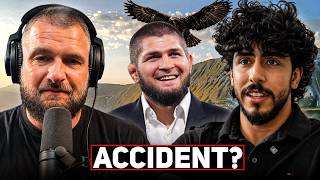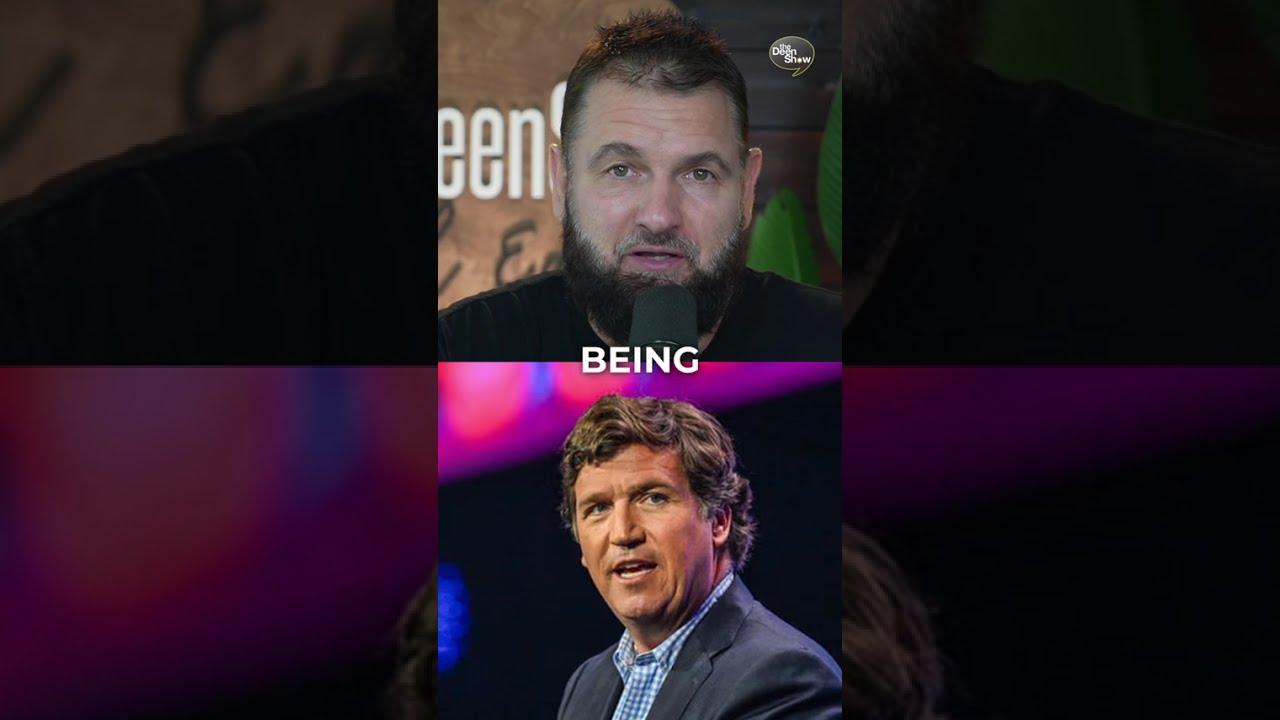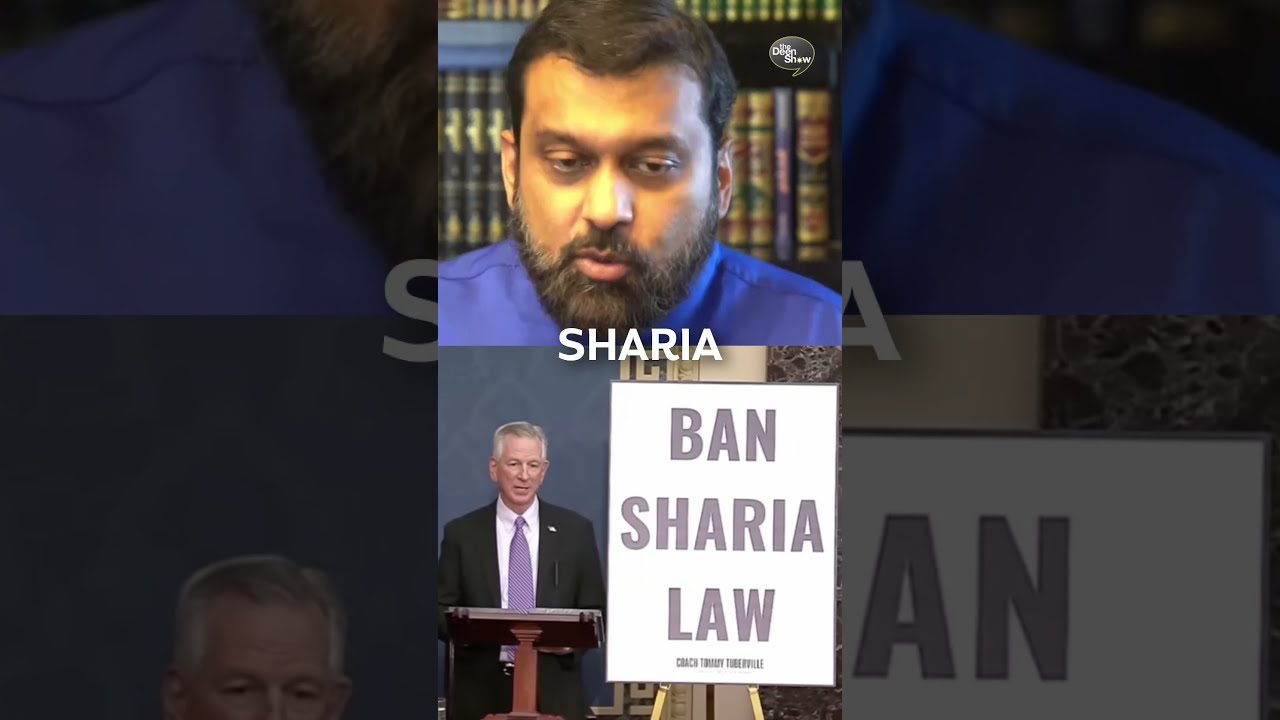
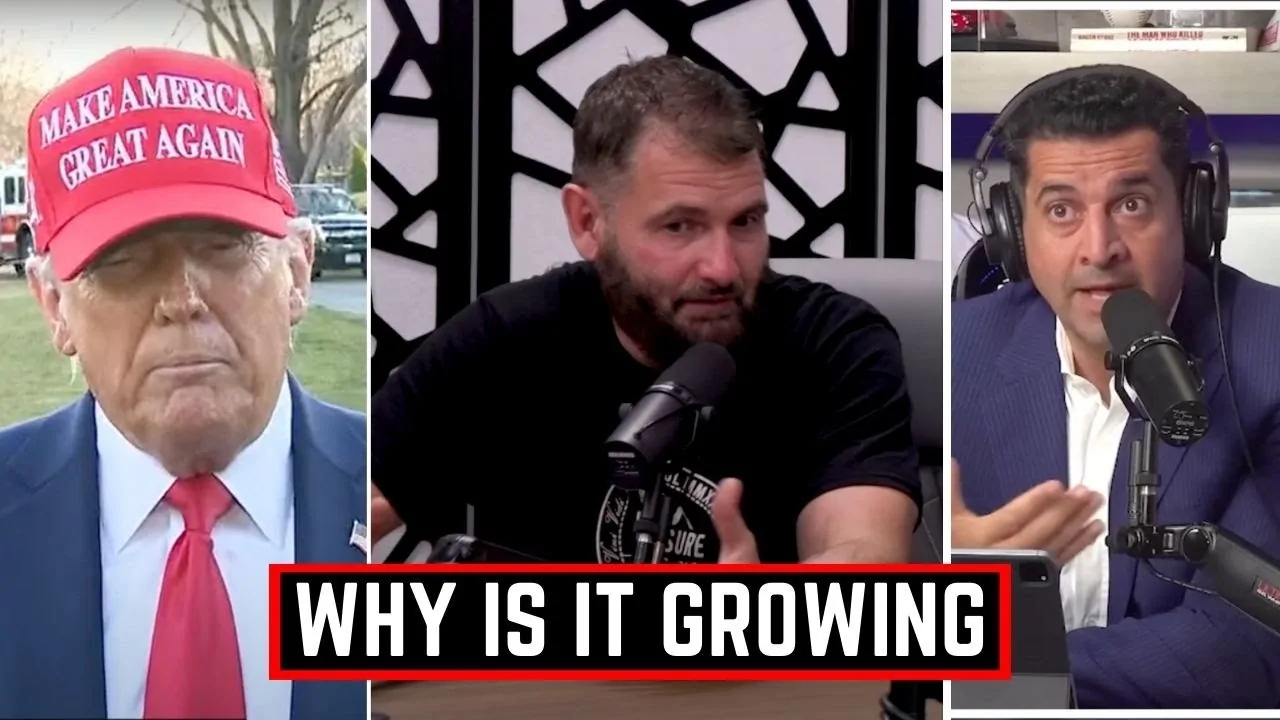
When a man in Miami Beach fired 17 shots at a father and son — mistaking them for Palestinians — the story barely made local news and quickly faded from public consciousness. But as Eddie from The Deen Show and guest Patrick Bet-David explore in this powerful episode, the question that must be asked is: what would have happened if the shooter had been Muslim? The answer exposes a glaring double standard at the heart of how Islam and Muslims are portrayed in media, politics, and public discourse — and it opens a deeper conversation about the textual integrity of the Quran, the historical bonds between Muslims and Jews, and why Islam, with nearly 1.9 billion followers, continues to be the world’s fastest-growing faith.
A Tale of Two Standards: When Hate Crimes Are Not Created Equal
The Miami Beach incident discussed in this episode is not an isolated case. A Zionist man — who had appeared on local news just months earlier calling for “peace and unity” — fired 17 shots at two Israeli visitors, believing them to be Arab Palestinians. The victims, once hospitalised, chose not to press charges. No major media outlet picked up the story. No rabbis were called before cameras to condemn it. No political figures made speeches. Compare that to the near-certain national firestorm that would have erupted had the shooter been Muslim. The episode also references a parallel incident in Jerusalem, where an Israeli man shouting “I’m Jewish, I’m Jewish” was shot anyway by a fellow Israeli who suspected him of being Arab — and medics were blocked from reaching him. An Israeli man also attacked a Jewish woman, mistaking her for a Christian. These incidents, piling up without consequence or condemnation, reveal a troubling reality:
- Muslims are collectively held responsible for any act of violence attributed to a member of their community, regardless of context
- Hate crimes committed by non-Muslim perpetrators against perceived Arabs or Muslims receive drastically less media coverage and political attention
- The double standard extends to religious leadership — imams are routinely pressed to condemn violence, while equivalent demands are rarely made of other communities
- Islamophobia and xenophobia are often rooted in ignorance and the absence of real Muslim voices in mainstream discourse
- Dawah — outreach and education — is every Muslim’s responsibility, not only scholars; a single honest conversation with a colleague or neighbour can begin dismantling years of media-constructed fear
“Muslims are among the most misrepresented minorities. Mr President, just as the media has misrepresented you, they have misrepresented us — this is something we share: the experience of media portrayals that spread misunderstandings about our lives.” — Imam speaking to President Trump
The Quran, the Bible, and the Question of Textual Integrity
Patrick Bet-David raises the question of alleged inconsistencies in the Quran — but as Imam Amir Arafat explains, this claim collapses under scrutiny. The Quran has one version. Nearly two billion Muslims across Malaysia, Kazakhstan, Gambia, and every corner of the earth recite the same text, in the same Arabic, from the same preserved oral and written tradition. If a hafiz makes an error in prayer, another Muslim in the congregation will correct him — because the Quran lives in the hearts of its people, not merely on pages. The Bible, by contrast, exists in over 200 versions used in mainstream American churches alone, with entire sections added or removed, unknown authors behind the Gospels, no original manuscripts, and chapters and verse numbers added by human scribes centuries after the original texts. Scholarly consensus — acknowledged even by Christian academics — is that the King James Version contains “major defects,” and when translations are taken directly from the earliest Greek sources, the result bears little resemblance to modern versions. The Quran itself contains a profound challenge: “If this book were from other than Allah, they would have found in it much contradiction.” No such contradiction has ever been established — and every alleged inconsistency brought forward has already been addressed and refuted by Islamic scholarship. An illiterate Prophet ﷺ, reciting a text over 23 years that never once contradicted itself, preserving even the unique occurrence of a single word used only once in the entire book — this is not the work of a man. It is divine guidance.
“There’s only one version of the Quran — and you cannot find any discrepancy or contradiction in it. I can go to Malaysia, Kazakhstan, Gambia — and pray with every single one of them in Arabic. If he makes a mistake, I correct him. If I make a mistake, he corrects me. The Quran is living here — not just in the book.” — Imam Amir Arafat
What this conversation ultimately reveals is something Muslims have long understood: that the perception of Islam as a religion of violence or contradiction is not born from evidence — it is manufactured by ignorance and, in some cases, deliberate malice. History tells a different story. Muslims welcomed Jews into Muslim Spain and the Ottoman Empire, granting them freedoms they found nowhere else in the world. Caliph Omar allowed Jews to return to Jerusalem after centuries of exile. Rabbi Weiss, Rabbi Shapiro, and others have acknowledged publicly that Muslims saved Jewish communities time and again throughout history. You cannot be a sincere, practising Muslim and harbour hatred toward Jewish people — it is a theological impossibility. The path forward lies not in louder arguments but in authentic relationship: in the Muslim neighbour who shares a meal, the colleague who has a real conversation, the Muslim who lets their character speak where headlines have lied. Islam is growing — not through coercion, but because when people encounter it sincerely and honestly, free from the noise of the hate industry, they find something that resonates with the deepest human need for truth, justice, and divine guidance. As this episode makes clear, the work of dawah belongs to all of us — and it begins, as it always has, with the courage to simply be known.