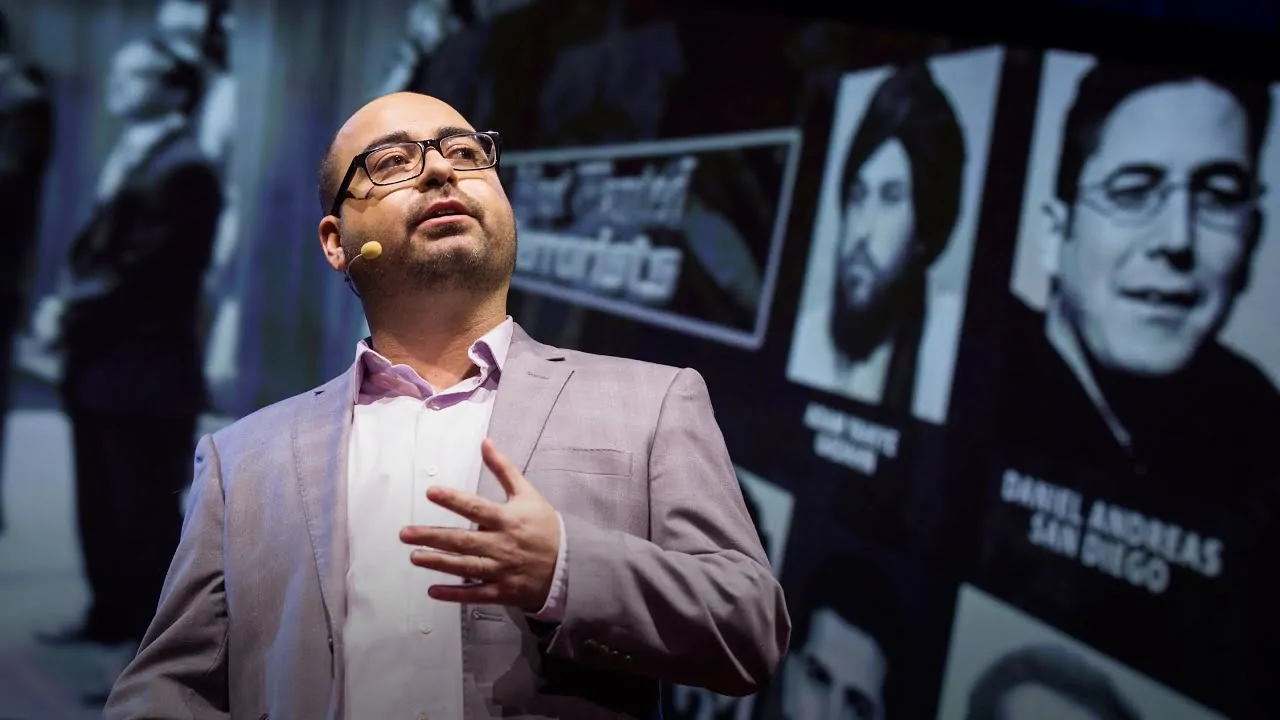
Investigative journalist Trevor Aaronson has spent years examining FBI terrorism prosecutions in the United States, and his findings raise serious concerns about how counterterrorism operations target vulnerable Muslim communities. Since 9/11, the FBI has spent $3.3 billion annually on domestic counterterrorism, far exceeding its budget for organized crime and financial fraud combined, yet the results tell a troubling story about entrapment rather than genuine threat prevention.
How FBI Sting Operations Work
Aaronson’s research reveals that while only about six real terrorist attacks occurred in the 14 years after 9/11, the FBI arrested more than 175 people in undercover sting operations. These operations typically use paid informants, some earning over $100,000 per case, who provide mentally ill or economically desperate individuals with the means, opportunity, and sometimes even the idea to carry out a so-called plot. The informant network includes over 15,000 people nationwide, many with criminal backgrounds, disproportionately surveilling Muslim American communities.
“The FBI is much better at creating terrorists than it is at catching terrorists.” — Trevor Aaronson, investigative journalist
The Case of Sami Osmakac
One of the most striking cases involves Sami Osmakac, a young man near Tampa, Florida, who suffered from schizoaffective disorder and had no connections to international terrorist groups. An FBI informant gave him a job, handed him money, introduced him to an undercover agent, and lured him into a plot to bomb an Irish bar. Sealed transcripts later revealed that FBI agents privately called Osmakac a “fool” and described his ambitions as “wishy-washy” and a “pipe dream,” yet they still provided him a car bomb, an AK-47, and even taxi fare to complete the sting for what agents called a “Hollywood ending.”
“Behind closed doors, FBI agents admitted that what they were doing was farcical… the lead agent described their would-be terrorist as a fool who didn’t have a pot to piss in.” — Trevor Aaronson
Why This Matters for Muslim Communities
- The FBI’s 15,000-informant network predominantly monitors Muslim American communities, creating a climate of suspicion and fear
- Targets are often mentally ill individuals with no real capacity or connections to carry out violence
- Informants with criminal histories, including convicted rapists and individuals wanted for murder, are paid six figures to manufacture these cases
- Organizations like Human Rights Watch have used Aaronson’s data to call attention to these civil rights concerns
- Even recent ISIS-related arrests follow the same pattern, with FBI informants providing travel documents and facilitating plans that suspects could never execute on their own