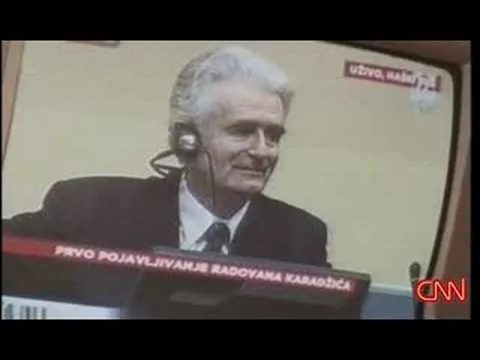
The arrest and trial of Radovan Karadzic brought a measure of justice to the people of Sarajevo, who endured a 44-month siege that killed over ten thousand civilians. The scars of that war, both physical and emotional, remain visible throughout the city, and the people hold Karadzic responsible for most of them.
The Crimes Against Bosnian Muslims
The indictment against Karadzic reads like a catalog of horror. From the systematic shelling of civilian gatherings to the deliberate targeting of civilians by snipers, the campaign of terror against Sarajevo’s population was calculated and relentless.
“Throughout the siege, there was a systematic campaign of deliberate targeting of civilians by snipers of the Bosnian Serb military. The sniping campaign terrorized the civilian population and resulted in a substantial number of civilian casualties.”
Justice and Reconciliation
The reactions to Karadzic’s trial revealed the deep divisions that still exist:
- Sarajevo residents watched as the man they hold responsible for a generation of lost children faced court
- Children who grew up during the siege had no childhood, no parents to take them to school or the zoo
- Less than 20 minutes from downtown Sarajevo, Bosnian Serbs still consider Karadzic a hero, not a criminal
- Reconciliation between Serbs and Muslims remains a slow and difficult process
“For people that have lost close relatives, it will be very hard to watch this butcher on TV. But I think this trial is going to help the reconciliation of the people of Bosnia.”
The trial may not bring back the dead or fully heal the wounds, but it sent a crucial message: those who commit atrocities against innocent people, including the Muslim population of Bosnia, will eventually face justice, if not in this world, then certainly before Allah on the Day of Judgment.