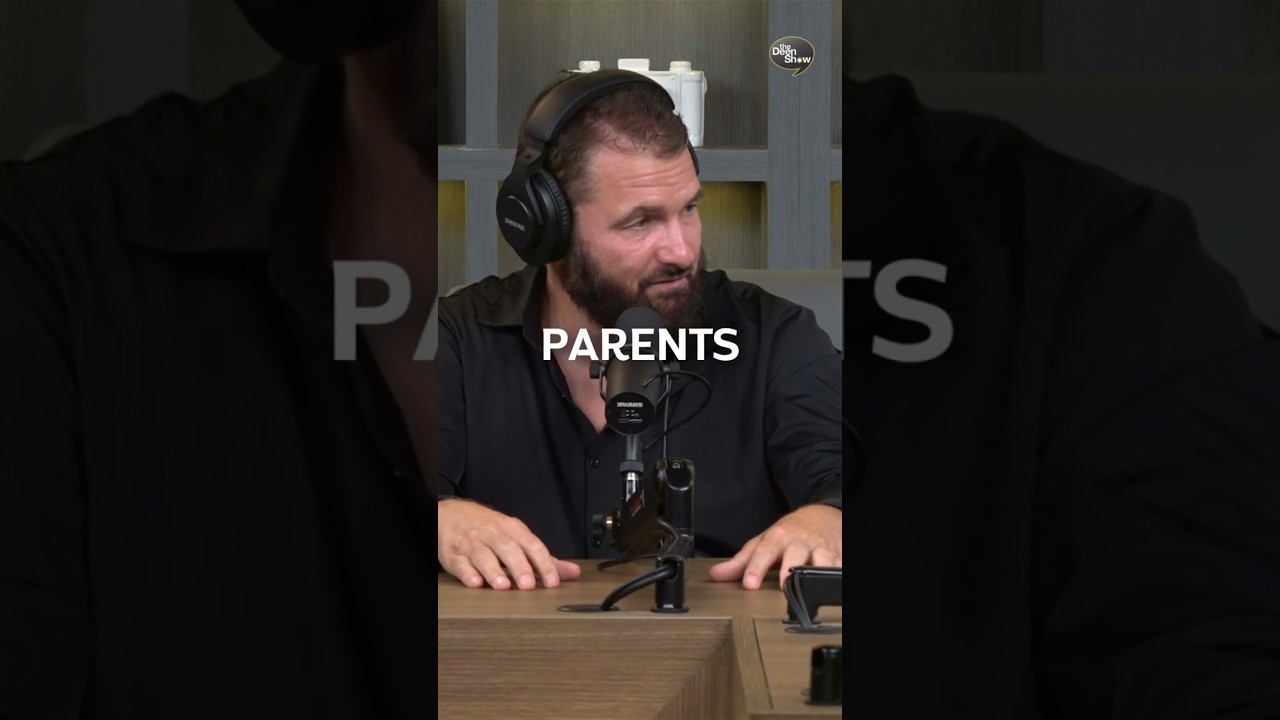
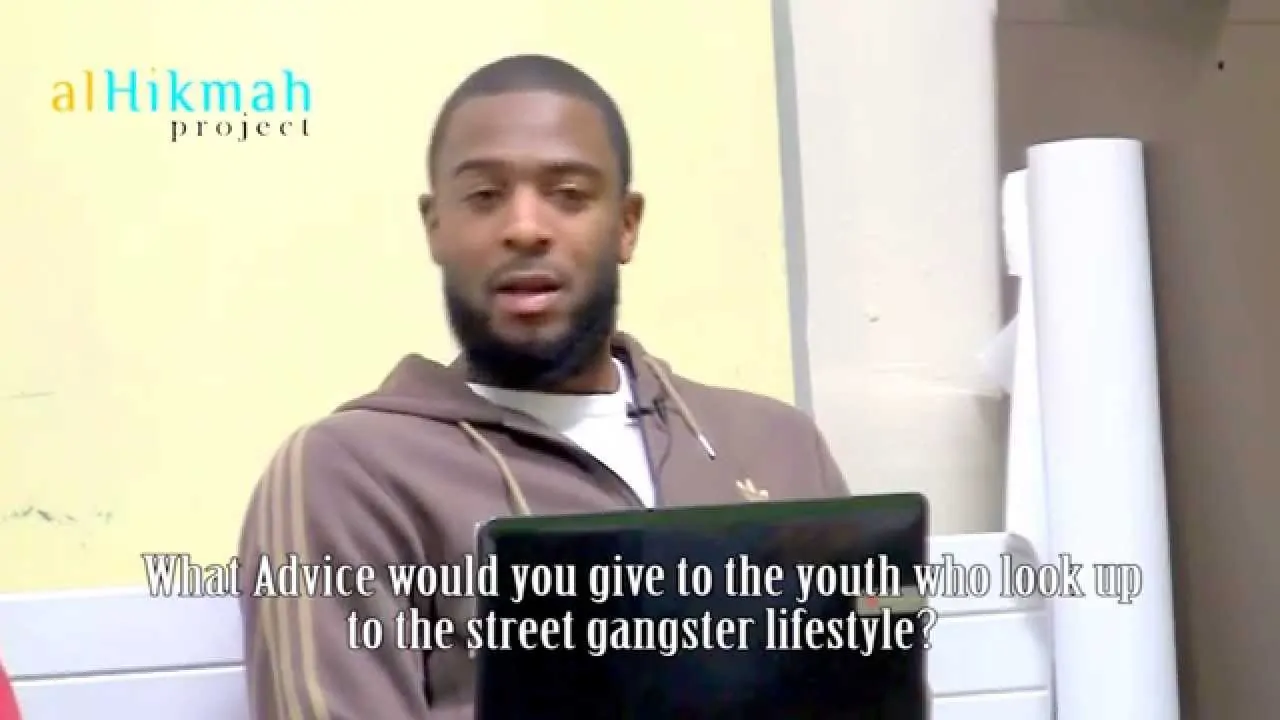
When Nathan Ellington was scoring goals for Wigan Athletic in the English Premier League, few could have predicted that his most defining victory would happen off the pitch entirely. Born into a Christian family and living a life centred around football, training, and the rhythms of professional sport, Nathan’s encounter with Islam began quietly — through his older brother, who had accepted the faith four years earlier. What followed was a sincere, personal investigation into truth: comparing Christianity and Islam side by side, reading online, asking questions, and ultimately embracing a faith that answered every question he had ever carried. His story, shared during a Q&A session at the Al-Hikmah STAR Youth Project in Keighley, is one of spiritual awakening, intellectual honesty, and the transformative power of guidance.
A Journey to Islam Rooted in Research and Reflection
Nathan was never far from Islam — his brother had accepted the faith years before, and the seeds of curiosity had quietly been planted. But it was his future wife, a born Muslim who knew she could only marry within the faith, who brought those seeds to life. As she explained Islamic beliefs — including that Muslims do not consider Jesus to be God — Nathan found himself nodding in agreement. “I don’t believe that either,” he told her. That honest moment of alignment led him to conduct his own deep research online, comparing the core beliefs of Christianity and Islam with genuine openness. Going through the pillars of Islamic belief, he found he could tick every box with ease; when he did the same for Christianity, he could not. The intellectual clarity of tawhid — the oneness of Allah — resonated profoundly. He took his shahada, and the journey of true learning began under the mentorship of a teacher named Taj, who gave him the right books and materials to understand Islam properly.
“When I went through the list in Christianity, I couldn’t say yeah, I believe that. But when it came to Islam, it was so straightforward and easy — I believed them, I took them on, and it said: if you believe all of these things, then you’re already a Muslim.”
- Nathan’s older brother accepted Islam four years before him, planting early seeds of curiosity about the faith
- His future wife’s explanation of core Islamic beliefs — particularly the rejection of the divinity of Jesus — resonated immediately with what he already felt to be true
- He conducted independent online research before accepting Islam, comparing both faiths intellectually and honestly
- After taking his shahada, structured mentorship helped him understand the full depth and breadth of Islamic practice and spirituality
- He faced early criticism from teammates and peers, but as his knowledge grew, he was able to address misconceptions with confidence and clarity
- Fasting during Ramadan while training and playing as a professional footballer — he testified that Allah made it easy, with the right intention and mindset
Islam Gave Direction, Purpose, and a Framework for Every Aspect of Life
Before Islam, Nathan describes his days as pleasant but purposeless — training, computer games, trips to London to see family, and a vague sense of being “one of the best people” by his own standards, without any external moral compass. Islam didn’t just add a religious label; it restructured everything. He learned how to treat his parents, the rights others have upon him, the etiquette of daily life from waking to sleeping — a comprehensive spiritual and moral framework that left no area of life without guidance. He spoke candidly about how Islam freed him from the grip of superstitions he had unknowingly absorbed from culture — avoiding drains for fear of bad luck, not walking under scaffolding — replacing them with tawakkul, trust in Allah alone. And when he addressed Muslim youth in the room about role models, his message was unambiguous: Prophet Muhammad ﷺ is the only role model worthy of the name. Rappers and celebrities who promote haram lifestyles don’t even live by what they preach — they profit from the naivety of those who imitate them, while those followers bear the consequences.
“There’s no one better than Prophet Muhammad ﷺ as a role model. You can’t have people who do all sorts of haram as your role models — check who your role models really should be.”
Nathan Ellington’s story is a reminder that hidayah — divine guidance — does not discriminate between backgrounds, careers, or levels of fame. A Premier League striker, raised Christian, living in the bubble of professional football, found his way to Islam through curiosity, research, a caring brother, and a believing spouse. What Islam gave him was not a burden but a light: direction, patience in trials, freedom from superstition, and the profound peace of knowing why he exists and what is expected of him. For every young person navigating a world that glamourises haram and marginalises righteousness, his counsel is simple and timeless — know your purpose, choose your role models wisely, and never stop seeking knowledge of the faith that puts everything, as Nathan himself said, in exactly the right place.