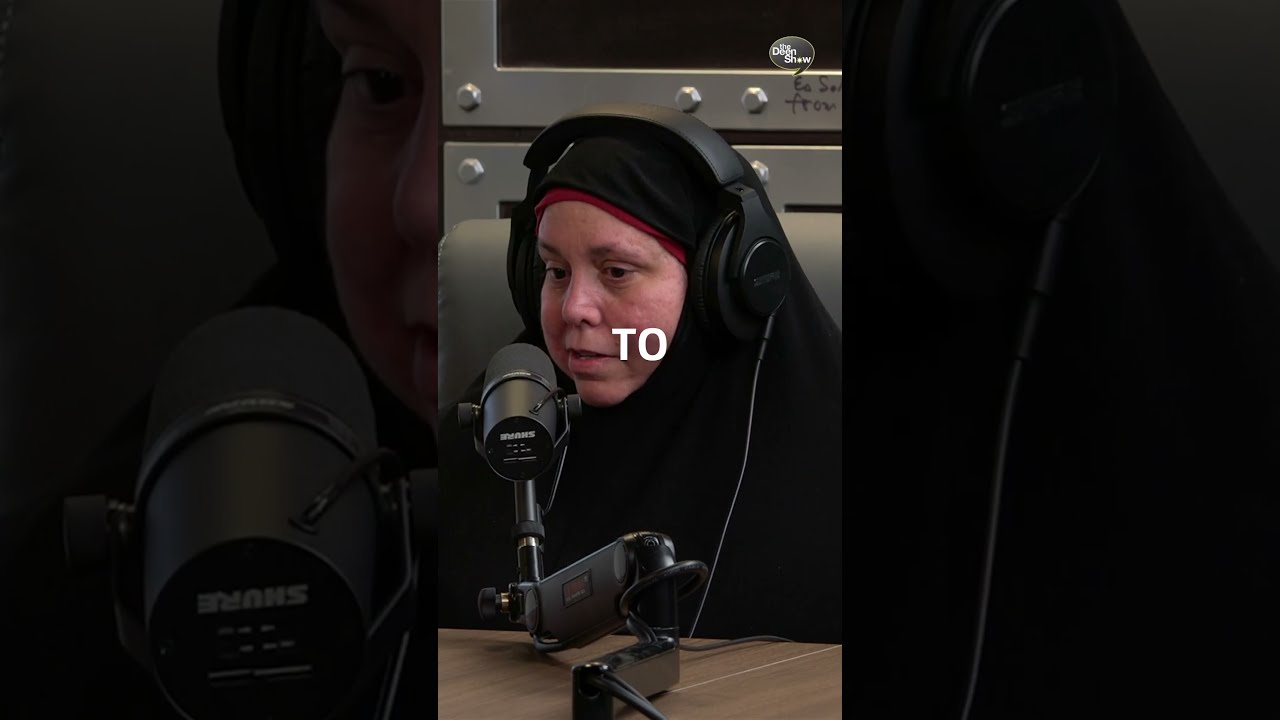
Finding a spouse in Islam is one of the most profound decisions a believer will ever make — and yet, for many Muslims today, the path to marriage is clouded by confusion, cultural pressure, and expectations shaped by secular norms. In this deeply practical and spiritually grounded conversation, Sheikh Yaser Birjas — Imam, marriage counsellor, and instructor at AlMaghrib Institute — addresses real questions from Muslims navigating the journey toward nikah. A graduate of the University of Madinah with the highest honours, and a student of revered scholars including Sheikh Al-Uthaimeen (rahimahu Allah), Sheikh Birjas brings both scholarly depth and pastoral wisdom to one of Islam’s most beautiful institutions: the sacred bond of marriage.
How Much Should You Know Before You Propose?
One of the most common anxieties among Muslim singles is how much they need to know about a potential spouse before making a move. Sheikh Birjas challenges the assumption that maximum information leads to the best decision — his experience across university campuses and Muslim communities suggests the opposite: the more a person tries to know everything before proposing, the less interested they tend to become. The wisdom embedded in the Islamic process of marriage is, in part, its preservation of anticipation and mystery. He advises reaching a personal “comfort zone” — enough certainty about a person’s availability, readiness, and general compatibility — before making an initial proposal, after which values, goals, and maturity naturally emerge through structured, supervised interaction. Key principles from his guidance include:
- Reach your comfort zone first — know enough to be comfortable proposing, not everything about the person.
- Online communication should follow, not precede, a formal proposal — and must involve a guardian’s awareness, whether a CC’d email or a chaperon on calls.
- Infatuation is not love — attraction to appearance is natural, but mistaking beauty for a guarantee of marital happiness leads to painful disappointment.
- Conventional dating does not guarantee compatibility — a divorce rate exceeding 60% in the United States demonstrates that extensive pre-marital familiarity is no protection against marital breakdown.
- True character emerges after marriage — both partners reveal their authentic selves only once the nikah is complete, making tawakkul (trust in Allah) an essential companion to due diligence.
“The more they know about them, the less they become interested — and that’s ironic. What makes marriage so beautiful is that it remains a mystery. Marriage has its own rules, and regardless of how much you think you’re prepared for it, you will be surprised.” — Sheikh Yaser Birjas
Prioritising Deen and Character: The Prophetic Criterion
When asked how to reconcile beauty with religiosity — what if the person with strong faith is not conventionally attractive, or the attractive person lacks spiritual devotion? — Sheikh Birjas returns without hesitation to the prophetic criterion: Deen (faith and worship) and Akhlaq (character and mannerism). These two qualities are the dual indicators of a person’s relationship with their Creator and with creation — someone devoted to Allah subhanahu wa ta’ala in worship will likely bring that same dedication to their spouse and family, while good character, as observed through community reputation, reflects how a person treats those around them. Cultural media has distorted the standard of beauty into an unreachable ideal, leaving many chasing fantasy rather than genuine compatibility. On the question of working wives and household roles, Sheikh Birjas is equally measured: Islam fully permits women to pursue careers and earn income, but both spouses must reach a mutual, pre-marital arrangement on their respective expectations and roles. Traditional Islamic values deeply honour the irreplaceable contribution of a woman who nurtures the next generation at home — a role that society chronically undervalues — while affirming that a woman retains her own identity, aspirations, and personal space within a healthy marriage. These roles, properly understood, are never adversarial:
“Allah says women are counterparts for men — which means we complete each other. We should not compete against each other. If we start competing, we both lose. But when we understand that the other is our counterpart, we become like pieces of a puzzle — put together, it becomes perfect.” — Sheikh Yaser Birjas
Sacred Guidelines, Not Rigid Restrictions
For new Muslims especially, the structured approach to marriage in Islam — involving a wali (guardian), clear intentions, and boundaries between unrelated men and women — can feel like an overwhelming weight of rules. Sheikh Birjas reframes this entirely: these guidelines exist as a mercy and protection for both men and women, not as arbitrary constraints. When desires operate without boundaries, the consequences are emotional harm, broken families, and societal instability — realities already manifest in soaring divorce statistics and a generation of children raised without the security of a stable home. The Quran describes the marriage covenant as profoundly sacred, and sacred things are, by their nature, protected. The guidelines of Islam are not rigid walls but purposeful boundaries that safeguard the spiritual, emotional, and physical integrity of every person involved. Islam does not mandate complete separation between men and women — respectful, formal interaction is entirely permissible — but intimacy, vulnerability, and open-hearted devotion are reserved for the sacred space of marriage itself. For those ready to begin this journey with knowledge and intentionality, marriage preparation resources and trained counsellors are available to guide Muslims through the process with both Islamic grounding and practical wisdom. Ultimately, marriage in Islam is not a social transaction — it is an act of ibadah, a means of attaining the tranquility (sakinah), mercy (rahmah), and love (mawaddah) that Allah has placed between spouses, and a foundation upon which a family, a community, and an entire ummah are built — with purpose, faith, and the pleasure of Allah at its centre.