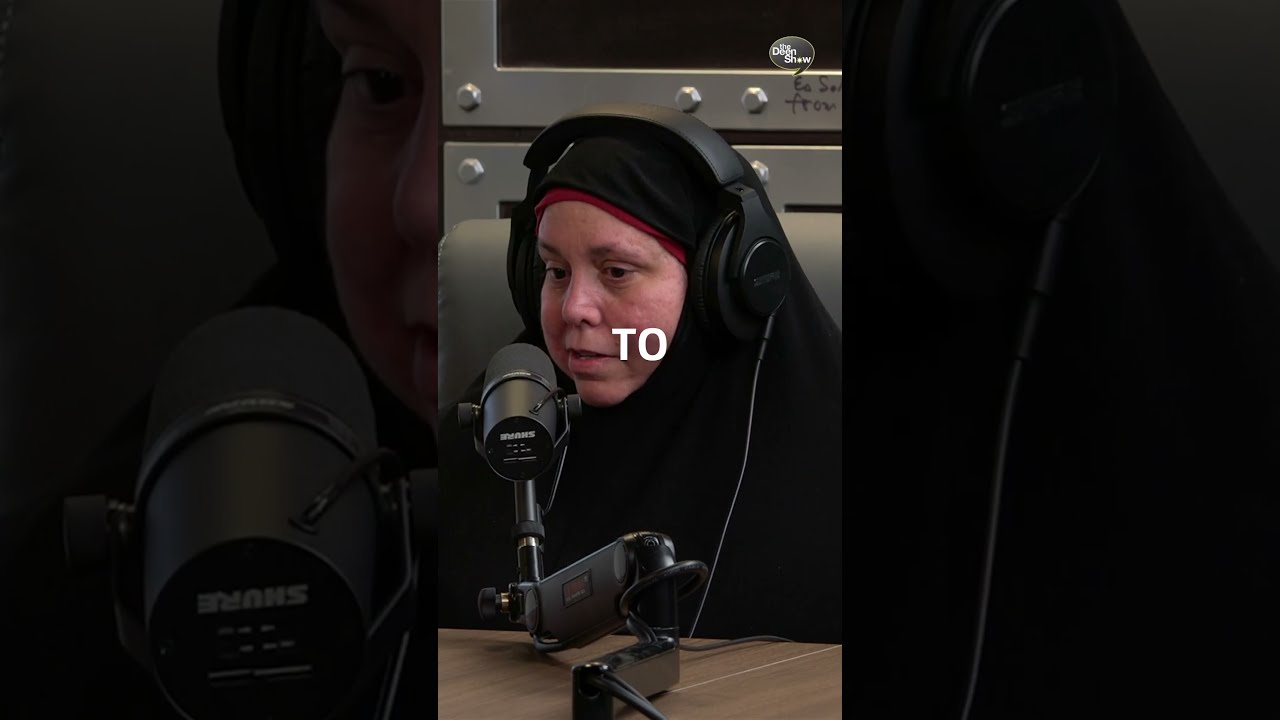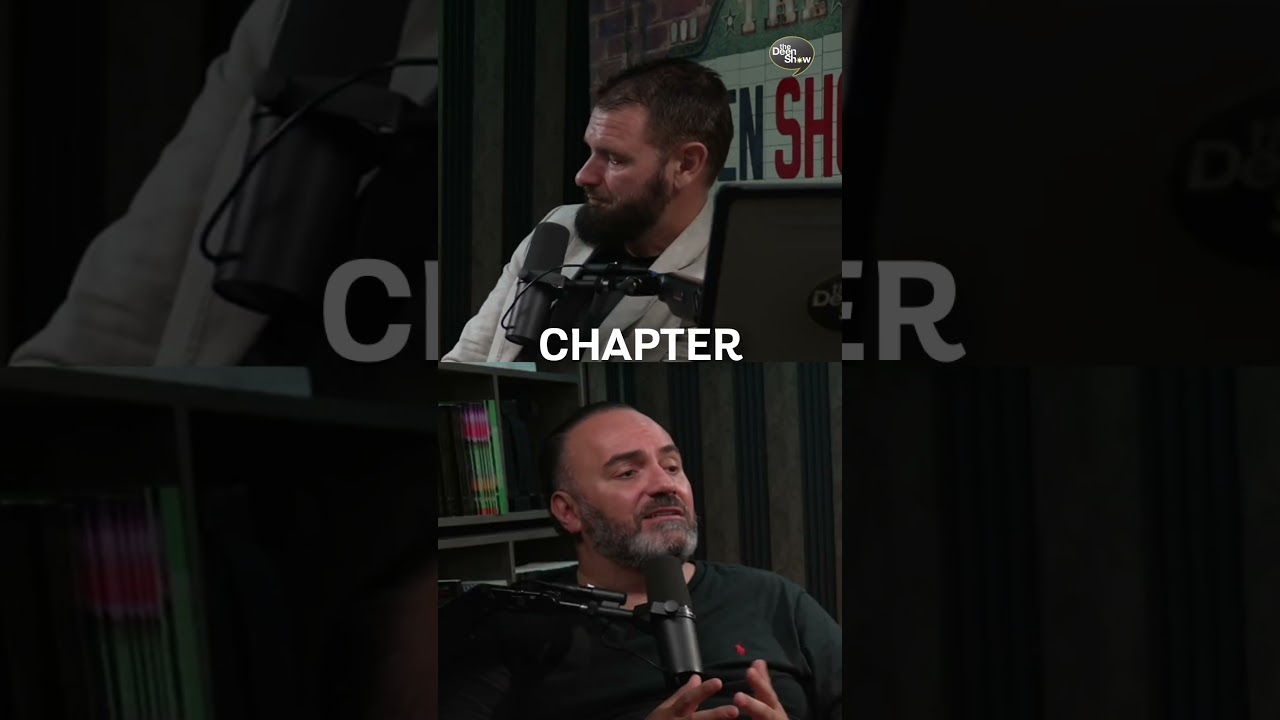
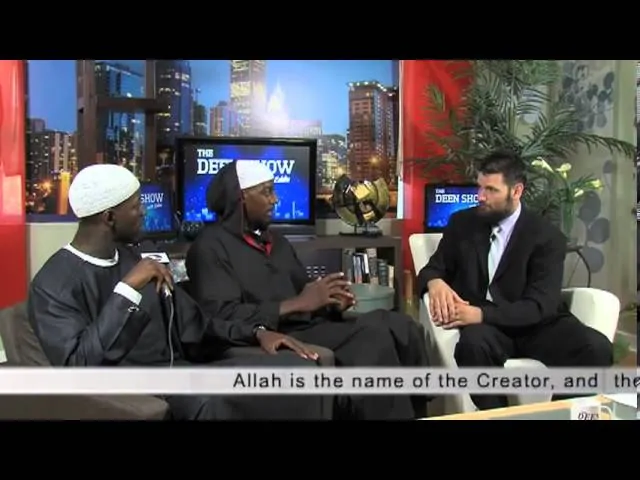
When most people think of NFL players, they picture the glitz of game day — the roar of the crowd, multimillion-dollar contracts, and the celebrity lifestyle that follows. But Hamza and Husain Abdullah, two Muslim brothers who played in the NFL for seven and four years respectively, chose a radically different path. Rather than letting their faith take a back seat to the demands of professional sport, they made Islam the centrepiece of their lives — fasting during Ramadan while suiting up on game day, turning down lucrative contracts to perform Hajj, and hitting the road to visit mosques across America, not as celebrities, but as fellow Muslims grateful simply to say salaam and mean it.
Faith Over Fame: Living Islam at the Highest Level of Professional Sport
The Abdullah brothers were refreshingly candid about the realities of staying grounded in faith within a world that elevates athletes to near-mythical status. Husain, a starting safety for the Minnesota Vikings, and Hamza, who played for Tampa Bay, Cleveland, Denver, and the Arizona Cardinals, both acknowledged the constant temptations that come with the territory — post-game invitations to clubs, the culture of excess, and the quiet drift away from salah when Sunday kickoffs clash with Dhuhr. Their answer was not to retreat from the world but to meet it with firm intention and exemplary character. They educated teammates about Ramadan fasting, maintained their prayers amid the chaos of training camps, and let their conduct — not their contracts — do the talking when it came to representing Islam to teammates, neighbours, and the wider public. Their mother’s teaching, instilled from childhood, became a living creed that shaped every decision they made on and off the field.
“We’re not elevated to some high status — we’re brothers and sisters in Islam. We just happen to play a game that people love and watch, so they give you a status. But we’re normal people, just like everybody else.” — Husain Abdullah
- Fasting through the season: Both brothers fasted during Ramadan throughout their NFL careers, drawing direct inspiration from Hakeem Olajuwon, who famously dominated basketball while fasting — proof that faith and elite performance are not in conflict.
- Hajj over contracts: When the call to perform Hajj arrived, they turned down NFL contract offers rather than sign and then abandon their obligations — because in Islam, honouring your word is non-negotiable.
- Salah in the schedule: Husain’s noon kickoff in Minnesota meant missing Dhuhr and making it up later; Hamza’s 2 o’clock game allowed him to pray on time. Both treated the five daily prayers as the fixed point around which everything else rotated.
- Character as da’wah: Their primary tool for countering Islamophobia among teammates and neighbours was simple, consistent good character — helping those around them, being trustworthy, and showing that a Muslim’s mercy extends to everyone regardless of faith or background.
- 30 mosques in 30 days: Their cross-country mosque tour was open to non-Muslims too — a standing invitation to ask questions, share a meal, and encounter Islam as it is lived day to day, not as it is caricatured on the news.
Purpose, Gratitude, and the Deen That Anchors Everything
The most powerful thread running through the Abdullah brothers’ conversation was the question of purpose — the very question The Deen Show was built to explore. In a world that constantly sells the illusion of paradise through luxury cars, designer labels, and hollow pleasure, Hamza and Husain offered a countercultural witness: that genuine peace comes only when a person knows why they were created and Whom they were created for. They described the spiritual electricity of Madinah — so saturated with tranquillity that Husain called it the most peaceful place he had ever been, a city where the adhan brings everything to a halt five times a day because nothing is more important than standing before your Creator. They gave practical guidance to young people caught between the deen and the dunya: guard your inner circle relentlessly, protect your salah before all else, look to your parents as role models before you look to any athlete, and never despair of Allah’s mercy — as long as you are still breathing, the door of tawbah is open. They also spoke to the profound unity of the prophetic tradition, reminding viewers that belief in and love for ‘Isa ibn Maryam (peace be upon him) is itself a tenet of Islamic faith, and that Islam is not a foreign religion but the unchanged call of every prophet from Ibrahim to Musa to the final and seal of all messengers, Muhammad ﷺ.
“Fasting is a part of our religion. Football is not. So if there was ever a choice between fasting and football, of course we’re going to choose fasting.” — Hamza Abdullah
The story of the Abdullah brothers is ultimately a story about what happens when a person refuses to let the world define their worth. They were blessed with physical gifts, a remarkable platform, and the financial means to live any life they chose — and they chose the one their mother taught them, the one the prophets modelled, and the one that leads back to God. Their example is a powerful reminder that spirituality is not a retreat from life but its deepest engagement: that you can be the last line of defence on a Sunday and still prostrate in gratitude before dawn; that you can fast through training camp and outperform those who do not; that you can walk into a locker room full of temptation and walk out with your character intact. The deen is not a limitation on a full life — it is the very foundation that makes every blessing in that life meaningful. May Allah accept the brothers’ Hajj, bless their ongoing service to the ummah, and grant each one of us the clarity and courage to place the Creator above every crown the dunya dangles before us.