Du’aa’ — supplication to Allah — is described in authentic hadith as “the very essence of worship,” yet many believers feel their prayers go unanswered. The reality the Prophet ﷺ preserved for us through generations of scholarship is that du’aa’ is not simply a matter of words — it is a matter of timing, spiritual state, and sincerity. Allah subhanahu wa ta’ala does not turn away the hand raised in supplication, but He has, in His infinite mercy and wisdom, opened certain doors wider than others: specific moments, conditions, and inner qualities in which the believer’s du’aa’ ascends without barrier. Understanding these windows is not optional spiritual knowledge — for the Muslim seeking Allah’s nearness, it is a living roadmap to the answered prayer, and Islam has given us that map in precise, hadith-grounded detail.
The Sacred Windows: Times, Conditions, and Places Where Du’aa’ Is Answered
The scholars of Islam compiled from authentic hadith literature a detailed guide of when and how du’aa’ finds its fullest acceptance with Allah. These are not spiritual folklore — each is grounded in the words of the Prophet ﷺ, transmitted faithfully to preserve the believer’s advantage in this life and the next. From the hushed hours before Fajr to the brief, golden window on a Friday afternoon, Islam offers the sincere Muslim a precise framework for maximising the conditions under which their call reaches its destination. Among the most powerful of these sacred moments are the following:
- Laylat al-Qadar: The Night of Decree — better than a thousand months. The Prophet ﷺ taught ‘Aa’ishah to say: “Allaahumma innaka ‘afuwwan tuhibb ul-‘afwa fa’fu ‘anni” (O Allah, You are forgiving and love forgiveness, so forgive me).
- The Last Third of the Night: Allah descends to the lowest heaven and calls: “Who will ask of Me, that I may give him? Who will seek My forgiveness, that I may forgive him?” — narrated by al-Bukhaari (1145).
- Following the Five Daily Prayers: Ibn Taymiyyah and Ibn al-Qayyim held this means du’aa’ before the salaam — when you remain in the posture of worship, nearest to your Lord.
- Between the Adhaan and Iqaamah: “A du’aa’ offered between the adhaan and iqaamah is not rejected.” — Abu Dawood (521).
- In Sujood (Prostration): The position of greatest closeness between the servant and his Lord, specifically identified by the Prophet ﷺ as a time to increase in du’aa’.
- The Special Hour on Friday: A window so brief the Prophet ﷺ gestured with his hand to indicate its shortness — yet in it, whatever a Muslim slave sincerely asks is given. — al-Bukhaari (935).
- When Drinking Zamzam Water: “Zamzam water is for that for which it is drunk.” — narrated by Ahmad, classed saheeh by al-Albaani.
- The Du’aa’ of the Wronged Person: “Fear the prayer of the one who has been wronged, for there is no barrier between it and Allah.” — al-Bukhaari (469).
- The Du’aa’ of the Fasting Person and the Traveller: Three prayers are not rejected — the father for his child, the fasting person, and the traveller. — narrated by al-Bayhaqi.
- When Calamity Strikes: Responding with the full istirjaa’ supplication brings Allah’s compensation with something better — Muslim (918).
- The Du’aa’ of a Righteous Child for Their Parent: “When the son of Adam dies, all his good deeds come to an end except three… a righteous son who will pray for him.” — Muslim (1631).
“The closest that a person is to his Lord is when he is prostrating, so say a great deal of du’aa’ then.” — Prophet Muhammad ﷺ (Sahih Muslim, 482)
The Man Whose Du’aa’ the Prophet ﷺ Commanded Others to Seek: Uways al-Qarni and the Power of Righteousness to Parents
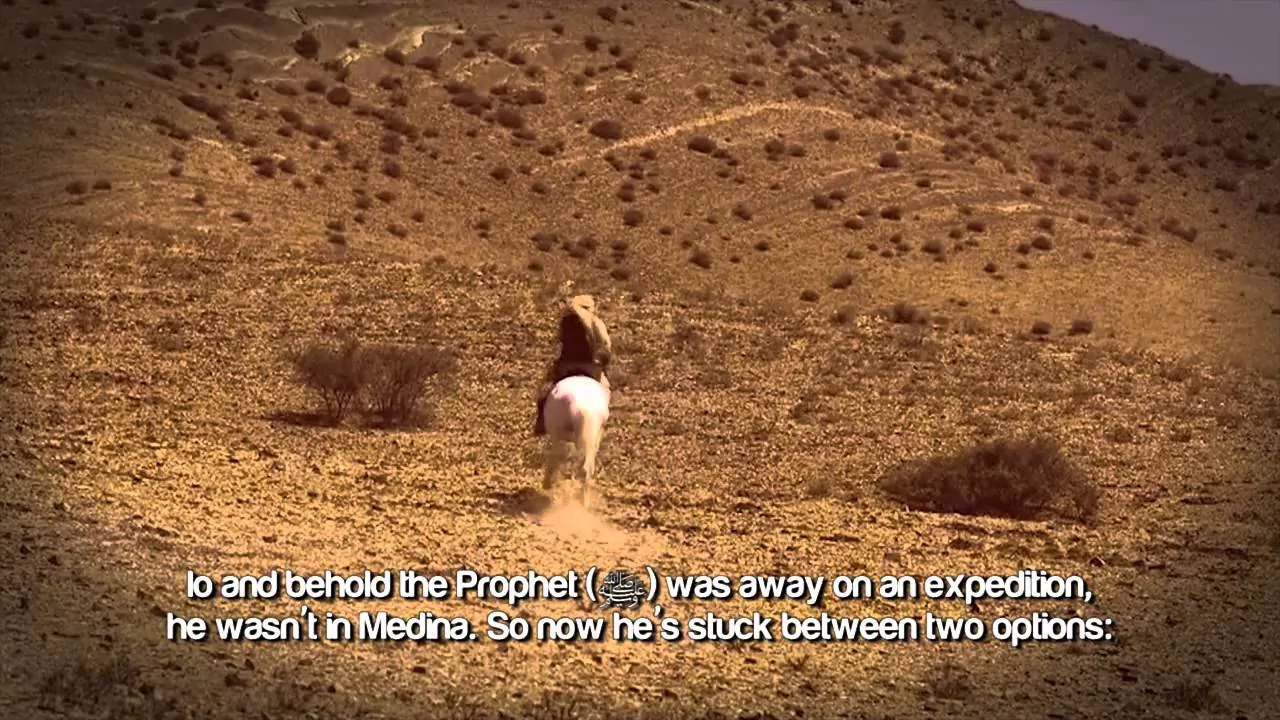
Among the most extraordinary stories in the entire treasury of Islamic spirituality is that of Uways al-Qarni — a Yemeni man who never once met the Prophet ﷺ in person, yet whose du’aa’ the Prophet ﷺ specifically instructed Umar ibn al-Khattab, one of the greatest Companions, to seek out. The Prophet ﷺ described Uways in such precise detail that Umar would be able to identify him immediately upon meeting him, and said: “When he comes to you, ask him to make du’aa’ for you.” What elevated this man so profoundly in the sight of Allah and His Messenger ﷺ? It was not fame, wealth, or religious learning visible to the world. It was one consistent, deeply human virtue: birr al-waalidayn — righteousness to his mother. Uways had the opportunity of a lifetime — to travel all the way from Yemen to Madinah and meet the Prophet ﷺ face to face, a meeting that would have elevated his rank forever from tabi’i to sahabi. He arrived to find the Prophet ﷺ away on an expedition. He stood at the crossroads of two options: wait a week or two, secure an eternal upgrade in status, and return as a companion of the Prophet ﷺ — or honour the one or two days his mother had permitted and return to Yemen. He chose his mother. He turned around and rode home, willingly surrendering the rank of companionship out of love and obedience to the woman who raised him. It was this quality — and this quality alone, as far as we know of his deeds — that caused Jibreel himself to descend and inform the Prophet ﷺ of Uways’ existence, and that made the Prophet ﷺ say his du’aa’ carries a weight that others cannot match.
“There are three prayers that are not rejected: the prayer of a father for his child, the prayer of the fasting person, and the prayer of the traveller.” — Prophet Muhammad ﷺ (narrated by al-Bayhaqi; classed saheeh in Saheeh al-Jaami’, 2032)
The lesson woven through every one of these sacred windows — and embodied so powerfully in the life of Uways al-Qarni — is that Allah does not accept du’aa’ in isolation from character. He answers the call of the one whose heart and life are aligned with His commands. The believer who rises in the last third of the night, who deepens their du’aa’ in sujood, who fasts with sincerity and honours their obligations, and who simultaneously treats their parents with the gentleness, patience, and selfless dedication of Uways, is a believer in whom the conditions for accepted supplication converge from every direction. If you want your du’aa’ accepted, begin not only with the right time or the right words, but with the right character. Honour your parents. Guard your prayers. Be consistent in your worship. For Allah hears every whisper — and He responds to the one who approaches Him earnestly, with a clean heart and righteous conduct walking ahead of them as their most eloquent intercessor.