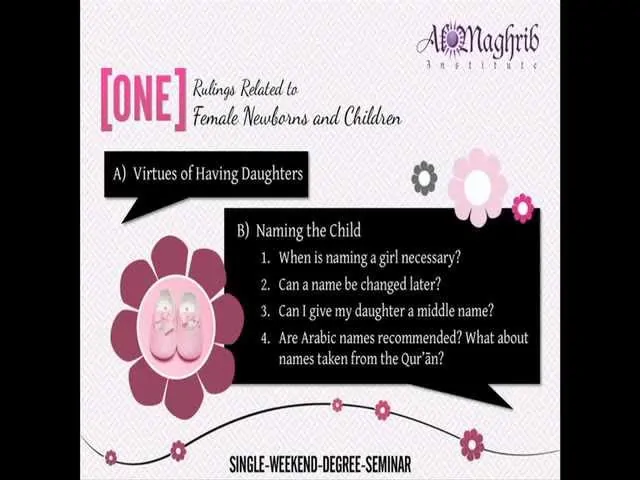
The opening chapter of “Complicated,” the A-to-Z guide on women’s modern fiqh taught by Sheikh Waleed Basyouni, begins with extraordinary stories of Muslim women from Islamic history. These stories of courage, faith, and sacrifice establish that Muslim women have always been nation-builders, role models, and active members of the ummah — not passive bystanders.
Heroic Women of Islamic History
- Asma bint Abu Bakr: When her son Zubayr, the khalifa, was losing a battle against the army of Al-Hajjaj, he came to his mother for counsel. She told him to stand firm upon the truth and die with dignity rather than live in humiliation. When all four of her sons were martyred, she said: “All praise be to Allah who has honored me to be the mother of four shuhada”
- Al-Khansa: Before Islam, she mourned her brother with poetry. After embracing Islam, she sent her four sons to the Battle of Al-Qadisiyyah, telling them to gain victory or die — never to turn back
- Nusaybah bint Ka’b: At the Battle of Uhud, she threw her body in the path of a horseman to protect the Prophet (peace be upon him). The Prophet made dua that Allah make her and her sons his companions in Jannah
“The Muslim woman has always been a part of society. She has always been a nation-builder just like men, and she was meant to be a role model for men also.”
Foundational Rulings: Puberty and Childhood
The session also covers the signs of puberty in girls, which include menstruation, the growth of pubic hair, and reaching the age of 15 according to the majority of scholars (or 18 according to the Hanafi school). Practical questions about modesty with children are addressed: parents should stop showering with daughters once the child begins to recognize what private parts are, which may be as early as age 3-5. Children under seven should not handle the Quran unsupervised, and prayers must be performed on time — they cannot be combined merely for school convenience.
“Females are the other halves of males.” — Prophet Muhammad (peace be upon him)
This foundational chapter sets the tone for the entire course: Islamic jurisprudence honors women as equal partners in faith, builders of society, and inheritors of a legacy of courage and devotion that stretches back to the earliest days of Islam.