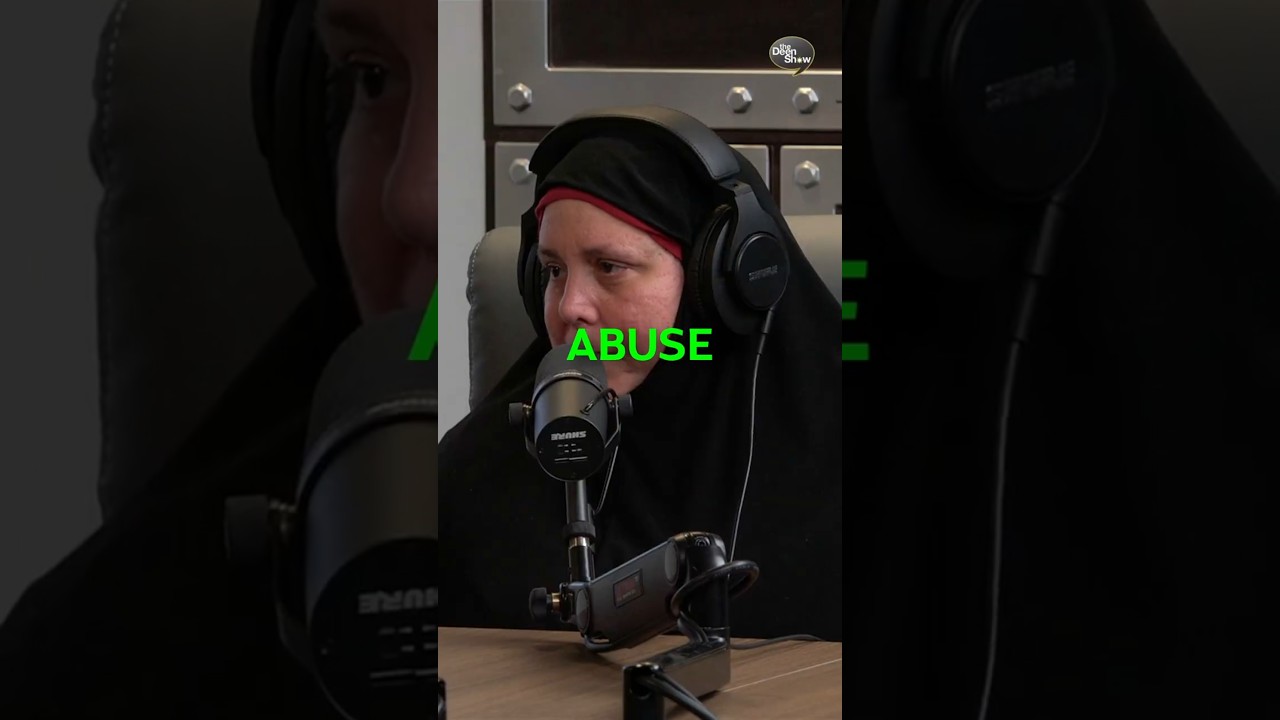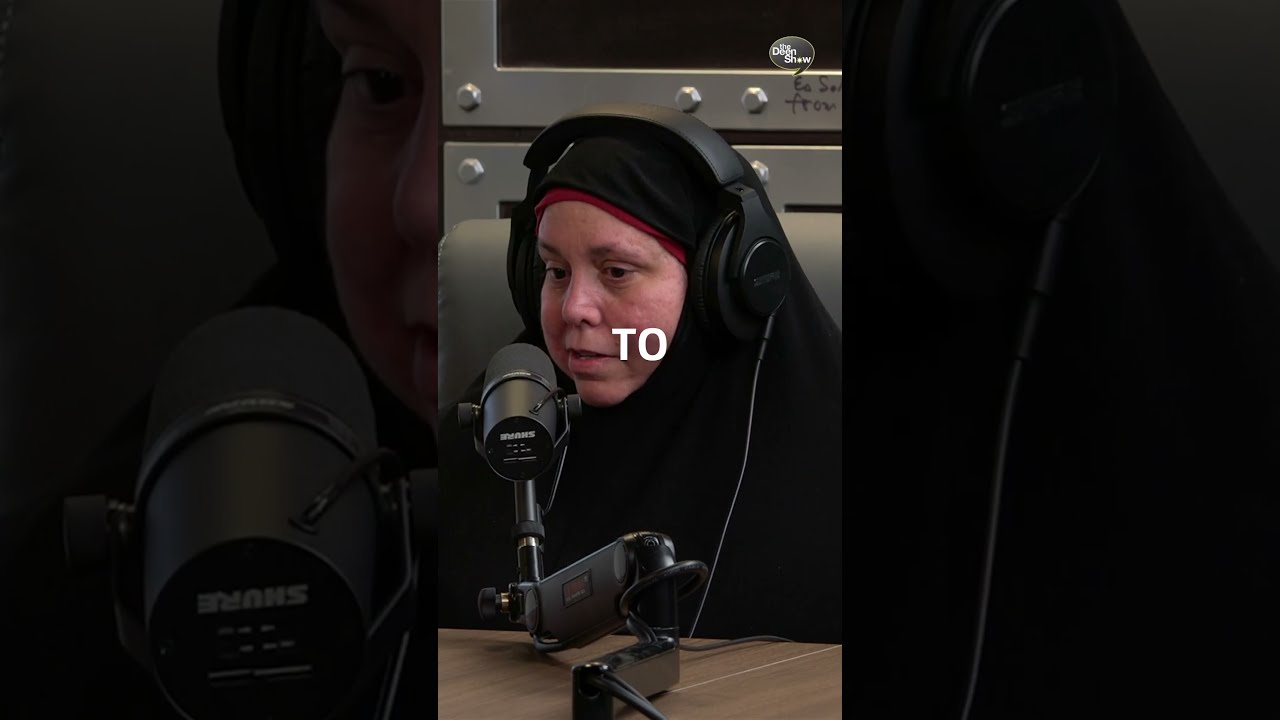
Every parent knows the fear — not of something distant and theoretical, but of something already happening in homes across the Muslim community. Teens adrift without purpose, chasing celebrities who implode, experimenting with identities that leave them hollow, or in the worst cases, turning pain inward with devastating consequences. The chronic ache in a parent’s chest when they realize they’ve been present in body but absent in guidance is real, and it’s preventable. This episode of The Deen Show, featuring expert parenting educator Dr. Basher, delivers an urgent, faith-rooted roadmap for Muslim parents who want to act before the crisis reaches their own children — not after.
What the Quran’s Youth Role Models Reveal About Identity and Strength
The Quran is not silent on what empowered, purpose-driven youth look like — it enshrines their stories as a model for every generation. Prophet Ibrahim (peace be upon him) was described as a young man who publicly challenged the idol-worshipping establishment, standing firm against an entire culture. Prophet Yusuf (peace be upon him) resisted seduction at the height of his vulnerability precisely because, as Dr. Basher explains, he was raised knowing his identity and his goal in life. The Companions of the Cave — also youth — fled an entire civilization to protect their faith. And the Prophet Muhammad ﷺ didn’t just inspire his young companions; he appointed Usamah ibn Zayd as commander of an army at seventeen years old. These weren’t exceptions — they were the intended norm. Young people naturally possess pure hearts, deep feeling, and a strong will to achieve. The problem is not the youth; it is an environment that corrupts those qualities before parents can cultivate them. Islam calls us to connect every child to their Creator from the very first breath — the adhan whispered at birth is not tradition for tradition’s sake; it is the first act of spiritual parenting, anchoring that new soul to the only source that will never fail them. When a child does right because they fear Allah — not because a parent is watching — they have internalized an identity that no peer pressure, no pop star, no cultural confusion can easily undo.
- Prophet Yusuf’s resistance to temptation was rooted in a grounded identity and sense of purpose, not willpower alone
- The Prophet ﷺ deliberately engaged youth in key decisions and gave them meaningful leadership roles
- Youth left without spiritual formation will be formed by their environment — by default, not by design
- Connecting children to Allah from birth is one of the most important parenting principles in Islam
- A child who fears Allah behaves righteously whether or not a parent is present — that is the goal
“Those are young people who believed in their Lord, and We increased them in guidance.” — Surah Al-Kahf (18:13)
Five Parenting Principles That Build Leaders, Not Followers
Dr. Basher identifies five practical components that determine whether a Muslim teen grows into a confident, purpose-filled leader or is swept away by an environment designed to exploit their insecurities. The first is vision — not career planning, but a clear picture of the character and values parents want to nurture. Without it, years pass and children are formed entirely by outside forces. The second is a healthy, loving family atmosphere — scholars unanimously agree it is the single most influential factor shaping a child’s personality. Our minds register pictures far more than words; a home defined by conflict teaches insecurity, and insecure children seek belonging in dangerous places. The third is learning Islamic parenting principles rather than defaulting to cultural habits inherited from our own upbringing — as Ali ibn Abi Talib (may Allah be pleased with him) wisely noted fourteen centuries ago, children must be raised for their own era, not ours. The fourth is the willingness to change — the central message of Islam is reform and growth, and no parent can transmit what they haven’t embodied. One mother who attended Dr. Basher’s workshop returned a year later transformed: she had identified her own negative patterns, changed her behavior, and reported that her child now openly shared his life with her again. The fifth is hikma — wisdom — applying the right knowledge at the right time, in the right way, for the right child, because what worked with one will not automatically work with another.
- Vision: Decide now what kind of character you want your child to have — then parent intentionally toward it
- Family atmosphere: A loving, stable home is the most powerful protection against destructive outside influences
- Islamic parenting knowledge: Study the Quran and Sunnah as a parenting guide, not just a spiritual one
- Willingness to change: Self-reflection and personal reform are prerequisites, not optional extras
- Hikma (wisdom): Wisdom is both a gift from Allah and an acquirable skill — position yourself to receive it by acting on His commands
- Knowledge, patience, and forbearance are learnable — the Prophet ﷺ confirmed that training in these qualities yields their reward
“Raise up your children using methods that may be different from the ones that were used with you, because they are created for different times and different challenges.” — Ali ibn Abi Talib (may Allah be pleased with him)
The ball truly is in our court as parents. Every child carries innate qualities — purity of heart, depth of feeling, and a powerful drive to achieve — that need to be protected and polished, not abandoned to a world that will exploit them. The answer to the epidemic of teen depression, identity confusion, and spiritual emptiness is not a reactive one; it is preventative, rooted in the guidance that has always been available to us through the Quran and the Sunnah of our Prophet ﷺ. Islam does not call us to raise children who obey out of fear — it calls us to raise young people who are proud of who they are, grounded in their connection to Allah, and equipped to carry the torch of faith the way the companions of the Prophet ﷺ once did. That begins today, in our homes, with honest self-examination and a sincere intention to change for the better.