
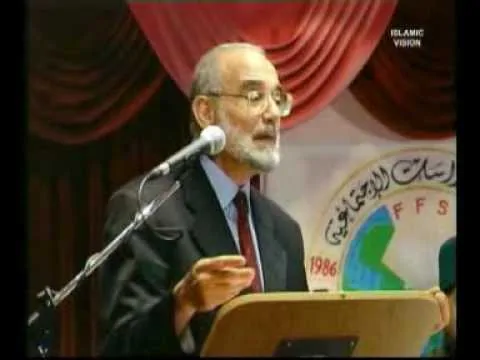
The topic of the Prophet Muhammad’s marriages is one of the most frequently weaponized misconceptions against Islam. This scholarly lecture addresses the question head-on with historical context, logical analysis, and a standard of fairness that critics rarely apply to their own traditions. Out of 37 years of marital life, at least 25 years were spent in monogamy with his first wife Khadijah — more than two-thirds of his married life.
The Wisdom Behind Each Marriage
The Prophet’s marriages in his later years fell into clear categories: forging tribal alliances that prevented bloodshed, caring for widows and orphans left behind by fallen companions, and establishing legal precedents for the Muslim community. When Umm Salamah was left widowed with four orphan children after her husband died from battle injuries, both Abu Bakr and Omar offered to marry her — she declined both. The Prophet then offered, and when she listed her concerns (old age, orphaned children, jealousy), he responded with extraordinary gentleness.
“As for age, I am older than you. As for the orphan children, they will be like my own — I will be responsible for them. As for your jealousy, I pray to Allah to remove it from your heart.”
Applying Fair Standards
- If polygamy disqualifies a prophet, then David (100 wives) and Solomon (even more) would be disqualified — yet the Bible records their marriages without objection
- Martin Luther himself stated: “God did not forbid polygamy — even the friend of God, Abraham, had more than one wife”
- Not even the worst critic of the Prophet could identify a single instance of sexual indiscretion in his entire life
- Islam is the only Abrahamic religion that placed a clear, unequivocal limit on polygamy — maximum four wives, with the requirement of justice and financial ability
“If the fact that a prophet married more than one wife disqualifies him, then all prophets are disqualified. If it is not itself a disqualification, why pick on one particular Prophet?”