Few topics in Islamic family law generate more questions among Muslims living in the West than marriage to non-Muslims — and for good reason. The rulings are specific, the wisdom is profound, and the real-world implications in secular societies have added layers of complexity that earlier generations of scholars could not have fully anticipated. Islam’s guidance on this matter is not arbitrary restriction but a carefully considered framework designed to protect faith, family, and the spiritual well-being of future generations. Understanding it requires both a grounding in Quranic evidence and an honest assessment of the world Muslims actually inhabit today.
What Islam Permits: Marriage to the People of the Scripture and Its Conditions
Islamic law permits a Muslim man to marry a woman who is Christian or Jewish — referred to in the Quran as the People of the Scripture — but prohibits marriage to women of any other non-Islamic faith, whether Hindu, Buddhist, Zoroastrian, or irreligious. This permission is grounded in Surah al-Ma’idah (5:5), and the reasoning is theological: the Torah and Gospel, despite later alterations, still contain elements of divine revelation, and it is in honour of that remaining portion that Islam extends this limited, conditional permission. A marriage to a Zoroastrian, Mormon, or idol-worshipping woman, however, is considered invalid in Islamic law, regardless of cultural pressure or personal feeling — as illustrated when even the grandson of Pakistan’s founder acknowledged that his father’s marriage to a Zoroastrian woman, alongside his eating of pork and drinking of alcohol, raised serious questions about the man’s standing within Islam. But beyond the category of the woman’s faith, a critical Quranic qualifier applies: she must be chaste. This is not a loose standard — it refers to a woman who has not engaged in sexual relations outside of marriage, either a virgin or one whose prior relations were within a lawful union. Given the sexual culture promoted in contemporary Western societies, where virginity has been culturally devalued and casual relationships are normalised from adolescence, such women are increasingly rare. A Muslim man who looks for a wife in bars and nightclubs is not only in the wrong place spiritually — he is almost certainly not encountering women who fulfil this Quranic requirement.
“Made lawful to you this day are… chaste women from the believers and chaste women from those who were given the Scripture before your time, when you have given their due Mahr, desiring chastity — not committing illegal sexual intercourse, nor taking them as girlfriends.” — Al-Qur’an, Surah al-Ma’idah 5:5
- A Muslim man may only marry a Christian or Jewish woman — marriages to Zoroastrian, Hindu, Buddhist, Mormon, or irreligious women are invalid under Islamic law.
- The permission is granted because remnants of divine revelation remain in the scriptures of the People of the Book — it is a theological exception, not a general opening.
- The Quranic condition of chastity is non-negotiable; a Muslim man cannot invoke this permission simply because a woman identifies culturally as Christian or Jewish.
- Muslim women have no equivalent permission — they must marry Muslim men exclusively, regardless of the non-Muslim man’s character, culture, or closeness to Islamic values.
- Many contemporary scholars hold that even this conditional male permission becomes impermissible in Western countries, due to the near-certain risk to the Islamic upbringing of children.
Protecting Faith and Family: The Wisdom Behind Islam’s Asymmetric Ruling
The question of why Muslim women cannot marry non-Muslim men — while Muslim men retain a conditional permission — is often framed as a double standard. Islam’s answer is not one of gender hierarchy but of practical spiritual protection, rooted in a clear-eyed understanding of what each arrangement actually demands. When a Muslim man marries a Christian or Jewish woman and asks her to maintain an alcohol-free home, dress modestly outside, or observe boundaries in mixed social settings, he is not asking her to violate her religion. Neither Christianity nor Judaism mandates alcohol consumption, immodest dress, or unrestricted physical contact with strangers. She can comply without compromising her faith. The Muslim woman in the reverse situation faces a fundamentally different reality: a Christian husband who asks her to purchase alcohol, cook pork, remove her hijab, or socialise in ways explicitly forbidden in Islam places her faith under continuous, practical pressure. The scholars acknowledge a deeper dynamic: a woman’s nature tends toward harmony and compromise within her most intimate relationships, and that impulse — which is a virtue in the right context — becomes a spiritual vulnerability within a non-Muslim marriage. Beyond the woman herself, the faith of her children is acutely at stake. A non-Muslim husband may insist on raising children in his own religion, in his own schools, within his own cultural framework. And in Western secular courts, when such marriages break down, custody typically goes to the mother — meaning children raised by a non-Muslim mother will, in all likelihood, grow up outside of Islam. This contemporary legal reality has led many scholars to rule that marriage to non-Muslim women is, under these circumstances, impermissible for Muslim men as well — a ruling that has been reinforced by the painful real-world cases of Muslim fathers being driven to flee Western countries with their children simply to preserve their Islamic identity.
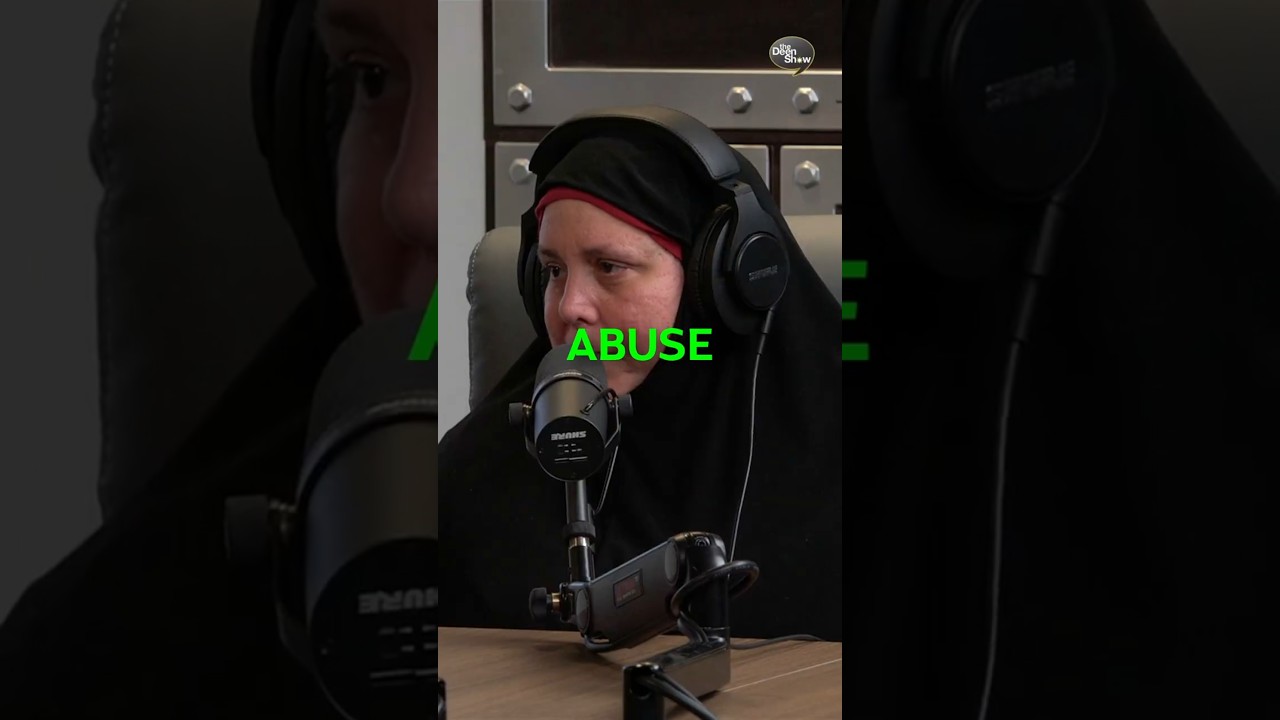
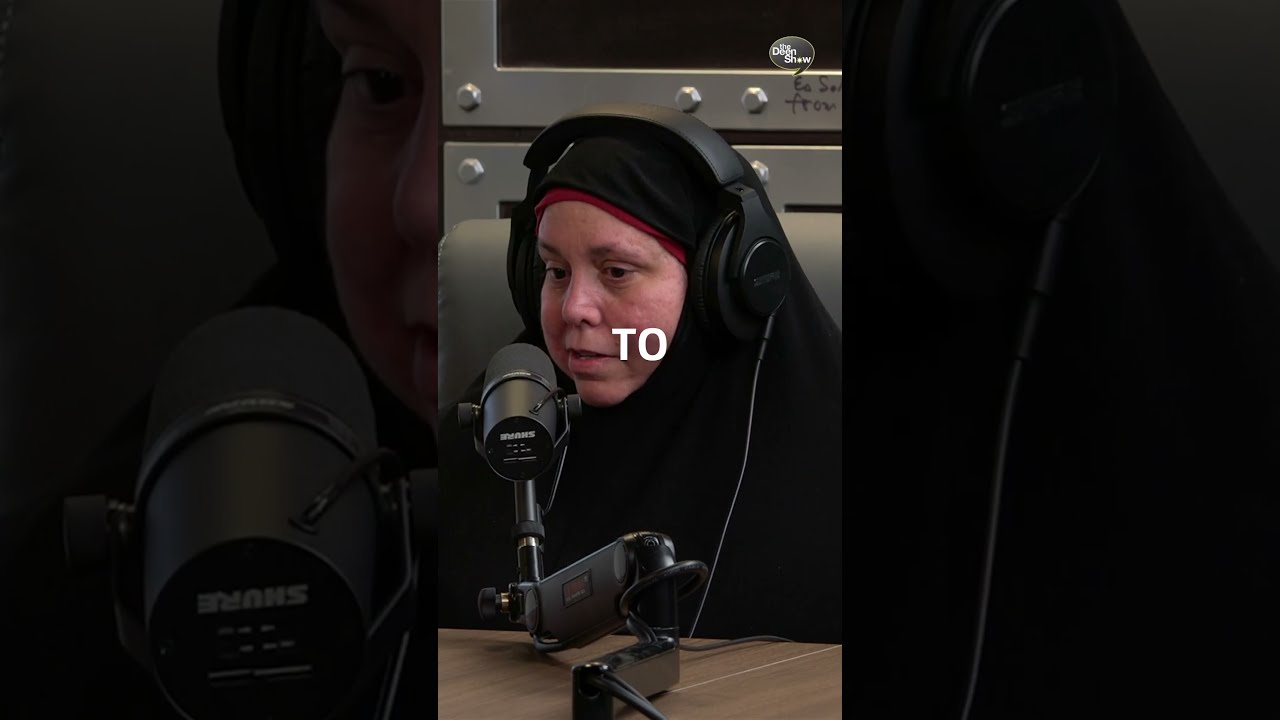
“Islam says no — you as a woman should only marry a Muslim man, because your nature is to compromise, your nature is to facilitate. You don’t like conflict; you want to make compromises to keep harmony. And if you do that in the context of being married to a Christian or Jewish man, you are liable to compromise your religion.” — Contemporary Issues, TheDeenShow
- A Muslim husband’s Islamic household requirements — no alcohol, modest dress, boundaries in socialising — do not force a Christian or Jewish wife to violate her own religion; she can comply while remaining in her faith.
- A non-Muslim husband’s lifestyle expectations — alcohol, pork, immodest dress, mixed-gender physical socialising — directly and repeatedly conflict with the Muslim wife’s religious obligations.
- A Muslim woman’s natural inclination toward harmony and conflict-avoidance makes her particularly vulnerable to gradual, incremental compromise of her Islamic practice in an interfaith marriage.
- The faith of children is a primary legislative concern: a non-Muslim father may insist on a Christian upbringing, and Western custody law typically reinforces this risk by awarding custody to the mother after divorce.
- In Muslim-majority countries, where Islamic family law governs custody and children are raised in an Islamic environment, the classical permission for men carries fewer risks — the environment is a material part of the ruling’s context.
The guidance Islam provides on marriage to non-Muslims is ultimately an act of divine mercy — not a ceiling on human connection, but a framework for protecting what is most precious: one’s relationship with Allah, one’s own spiritual integrity, and the faith of the generations that follow. A Muslim man who takes this guidance seriously will approach the conditional permission with the gravity it deserves, seeking a chaste and virtuous woman in a setting and society where his children’s Islamic upbringing is genuinely protected. A Muslim woman who understands this ruling will recognise that it is not a restriction on her freedom but a safeguard for her deen, her dignity, and the eternal futures of her children. In an era of increasing interfaith interaction and cultural pressure to treat all relationship choices as equally valid, Islam’s carefully delineated guidance on this question remains as relevant and as necessary as ever — a reminder that in matters of faith and family, divine wisdom sees what human desire cannot, and that submission to that wisdom is itself an act of profound trust in the One who revealed it.