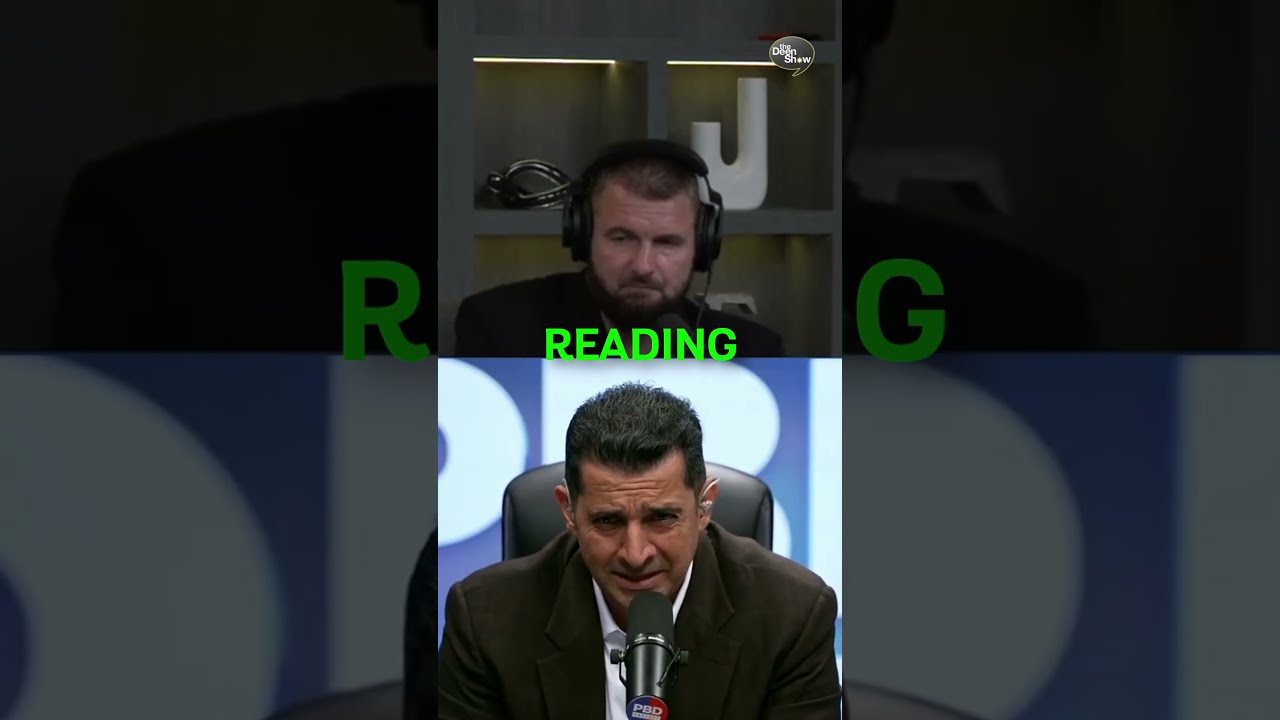

A question that cuts to the very heart of Islamic monotheism reached The Deen Show from Sister Isia in Saudi Arabia: if Muslims can ask a living friend to make du’aa on their behalf, what is the difference between that and asking a wali (a close friend of Allah), whether alive or dead, to intercede? Sheikh Mohamed Salah’s response was direct and unambiguous — the difference is vast, and it marks the line between permissible supplication and major shirk. This is one of the most critical distinctions in Islamic belief, touching on the very meaning of worship, the nature of tawheed (divine monotheism), and the spiritual pitfalls that have led entire civilisations astray throughout human history.
Asking the Living to Supplicate: A Prophetic and Recommended Practice
Asking living, righteous believers to make du’aa on your behalf is not only permitted in Islam — it is actively encouraged. The Prophet Muhammad ﷺ himself modelled this: before departing for Umrah, Sayyiduna Umar ibn al-Khattab (may Allah be pleased with him) was asked by the Prophet ﷺ to remember him in his supplications. Parents, elders, and the righteous are especially recommended as sources of intercessory du’aa, since their prayers carry a greater likelihood of acceptance with Allah. The Prophet ﷺ also taught that when a believer prays for someone else in their absence — without that person even knowing — Allah appoints an angel to stand beside the supplicant and respond to every prayer with “Ameen,” asking that the supplicant themselves receive the same blessing they sought for their brother or sister. This is the profound beauty of Islamic brotherhood in faith: sincere supplication for others becomes a means of drawing mercy back upon yourself.
- Asking a living believer — especially a righteous person, parent, or elder — to make du’aa for you is permissible and recommended in Islam
- The Prophet ﷺ himself modelled this by requesting du’aa from Sayyiduna Umar before his Umrah
- Praying for someone in their absence is among the most accepted and spiritually rewarding forms of du’aa
- When you supplicate for another without their knowledge, an angel responds “Ameen” and asks Allah to grant the supplicant the same blessing
- This practice builds a living, active network of mutual spiritual care within the Muslim community
“When someone prays for their brother or sister in their absence, Allah appoints an angel who stands next to them, saying: ‘O Allah, respond — and grant them similar to what they have asked for their brothers and sisters.'” — Prophet Muhammad ﷺ
Calling Upon the Dead: Where Supplication Becomes Shirk
The moment that call is directed at someone who has died — no matter how righteous that person was in life, be it a saint, a scholar, or even the Prophet Muhammad ﷺ himself — it crosses into shirk, the gravest of all sins in Islam. The dead cannot hear our calls, cannot intercede with Allah on our behalf, and do not possess so much as an atom’s weight of benefit or harm for themselves, let alone for others. The Sheikh highlighted that the Meccan pagans had used the very same rationalisation offered today by those who call on the dead — claiming they were merely using righteous figures as wasila (a means of approach) to Allah, feeling unworthy to approach Him directly. This justification, the Sheikh warned, is the first step on the descent into full polytheism. History records how the people of Nuh (Noah) began simply by commemorating their righteous dead with images and statues — and generations later, those same figures were being worshipped as deities. Satan’s strategy has never changed: begin with reverence, end with idolatry. The Quran addressed this directly, and Allah told us that those called upon besides Him neither hear nor can respond, and will disown those who called upon them on the Day of Resurrection.
- Du’aa (supplication) is worship — directing it to anyone other than Allah constitutes an act of shirk
- The dead are in far greater need of our prayers than we are of theirs; they cannot benefit us in any way
- Even the Prophet Muhammad ﷺ — the greatest human being who ever lived — is not to be called upon directly after his passing
- The Quran (Surah Faatir 35:13–14) explicitly states that those invoked besides Allah do not hear the call and will disown their worshippers on the Day of Resurrection
- The Meccan pagans’ argument of “intermediaries to Allah” was already rejected by revelation — the same argument continues to mislead people today
- Shirk historically began with honouring righteous people through images and statues — this is the exact mechanism by which Satan has misled generations of mankind
“If you ever ask, then ask only from Allah; and if you ever seek help, seek help only from Allah.” — Prophet Muhammad ﷺ, advising his nephew Abdullah ibn Abbas (may Allah be pleased with him)
What makes this ruling so profound — and ultimately so liberating — is the reason behind it. Allah subhanahu wa ta’ala has declared in His Book that He is nearer to each soul than its own jugular vein. He requires no intermediary, no saint, no holy figure standing between the servant and the Divine. Du’aa, as the Prophet ﷺ taught, is the very essence of worship itself — and Allah has personally promised to respond when His servant calls, directly and without distance. As the Sheikh beautifully illustrated: if you trust a physician’s prescription simply because you believe in their expertise, how much more should a believer trust Allah’s own invitation when He says, “Ask of Me”? The path of tawheed is not one of spiritual inaccessibility or cold distance — it is the most intimate, immediate, and direct connection a human soul can ever experience. Protect that connection, cherish it, and let the certainty that Allah hears every whisper of the heart anchor you in every moment of need, gratitude, and longing.