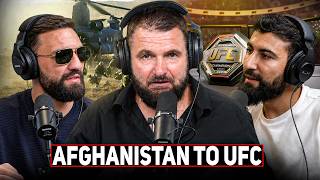
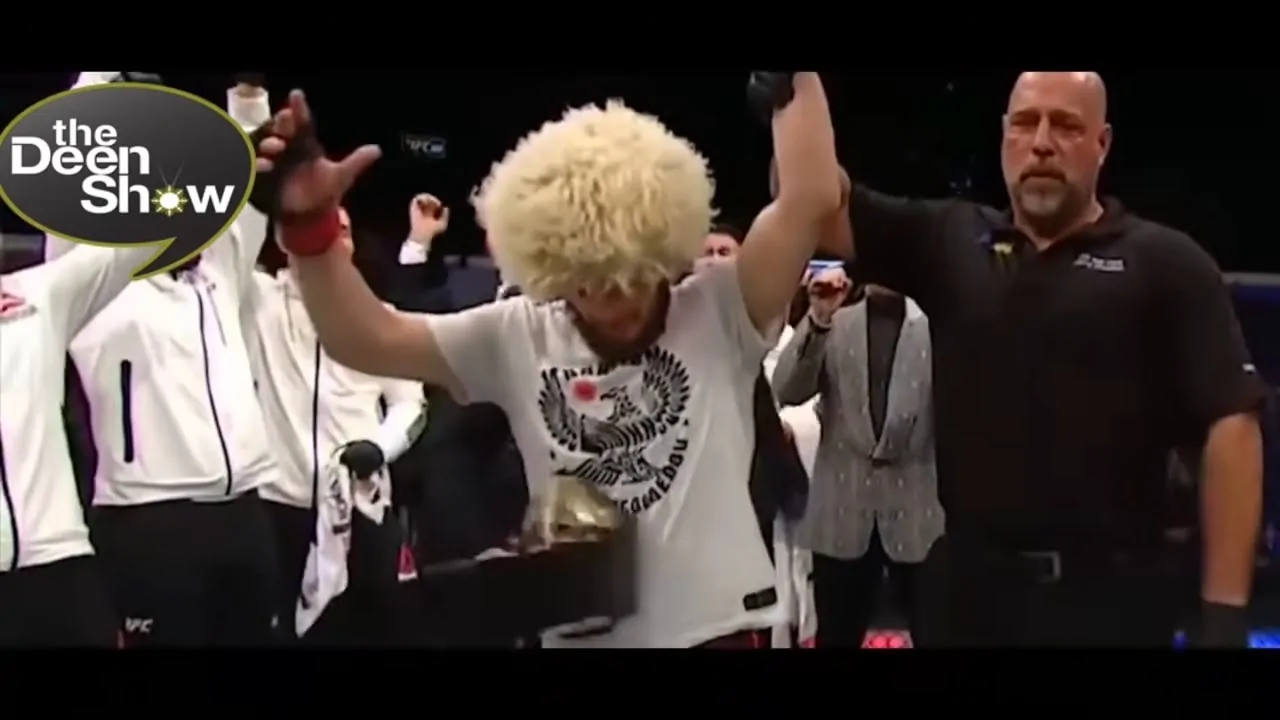
Muslim fighters like Khabib Nurmagomedov and Khamzat Chimaev carry an enormous weight that goes far beyond the octagon. Millions of eyes — young and old, Muslim and non-Muslim — watch every move they make, every word they speak, and every choice they celebrate. In a world that constantly pressures public figures to conform, water down their beliefs, and chase popularity, these two athletes stand at a crossroads where faith meets fame. The question every believer should be asking is not whether they can fight, but whether they are using the platform Allah has given them to honor Him.
Khabib Nurmagomedov: A Living Example of Islam in the Spotlight
Khabib has consistently shown the world what it looks like when a Muslim refuses to compromise his deen for applause. He attributes every victory to Allah, keeps himself humble before the Creator, and uses moments of global attention to speak about faith, fasting, and the oneness of God. When asked about Ramadan during a press conference, he did not hesitate or apologize — he made it clear that his religion comes first and sport comes second. That kind of unwavering conviction has had a ripple effect far beyond MMA. People from every background, including a former cartel member who was interviewed on The Deen Show, have been moved simply by watching Khabib say “Alhamdulillah” and point upward after a fight. This is the power of dawah through action — no lecture hall required, no formal training needed, just a sincere heart grounded in Islam and tawheed.
“First of all I wanna say Alhamdulillah — without God we cannot do nothing. Everything is nothing. Number one, believe in your one God.” — Khabib Nurmagomedov
What Khamzat Chimaev Needs to Know About Influence and Responsibility
- Knowledge before action: Just as a fighter must master the jab, the double-leg takedown, and ground control before stepping into the cage, a Muslim public figure must be grounded in the basics of the Quran and Sunnah before stepping into the public arena. Without that foundation, innocent mistakes become public blunders that mislead millions.
- Imitating pagan traditions is not harmless fun: The Prophet Muhammad (peace be upon him) warned clearly — “Whoever imitates a people is one of them” (Abu Dawud). Participating in festivals rooted in paganism, even casually, contradicts the very essence of tawheed (pure monotheism) that every prophet from Abraham to Jesus to Muhammad called people toward.
- Pleasing Allah over pleasing people: The hadith is crystal clear — whoever works to please people at the expense of displeasing Allah will end up losing both. But whoever prioritizes pleasing Allah, even if it initially upsets some fans, will ultimately earn both Allah’s pleasure and the respect of the people.
- Your platform is an amanah (trust): Fame in MMA is temporary — belts, titles, and championship records will all fade. But inspiring even one soul toward Islam, toward knowing their Creator, toward living with purpose — that is a legacy that outlasts any highlight reel.
- Surround yourself with sincere advisors: Every Muslim fighter needs people around them who care about their akhirah (hereafter), not just their brand deals. Management that only thinks about sponsorships and public image without considering what is halal and what is haram is a liability, not an asset.
The Real Sponsorship: Allah Is the Ultimate Provider
“When Allah talks about — through the Prophet (peace be upon him) — the one who mentions Allah in a gathering, Allah mentions him in a better gathering. So when you’re out there, let your behavior be the best, be grounded in the deen.”
From Fighters to Faith Ambassadors: The Call to Dawah
Islam does not ask Khamzat or any Muslim to become a scholar overnight. The Prophet Muhammad (peace be upon him) said, “Convey from me even if it be one ayah.” That means every Muslim — whether you are a UFC champion, a teacher, a taxi driver, or a student — has the ability and the obligation to share the beauty of this faith. Khabib demonstrated this beautifully by simply being himself: humble, God-conscious, and unapologetic about his Islam. Khamzat has tremendous potential to do the same. He has the charisma, the following, and the platform. What he needs now is the knowledge, the grounding, and the sincere companions who will help him channel that energy toward what truly matters — calling people to the worship of Allah alone, living by the Quran and Sunnah, and leaving behind a legacy that will benefit him long after the lights in the arena go dark.