
Few figures in human history have been subject to as much deliberate misrepresentation as the Prophet Muhammad (peace and blessings be upon him). Critics armed with half-truths and borrowed misconceptions routinely paint him as a warlord — a man whose faith spread by the edge of a blade. Yet when we turn to honest historical scholarship, a radically different portrait emerges: a leader of extraordinary restraint, deep mercy, and unwavering commitment to justice, whose entire prophetic mission was defined not by conquest but by compassion. For anyone earnestly seeking truth about Islam and the life of its final Prophet, the historical record is both clear and humbling.
The Historical Record: One Man Killed by the Prophet’s Own Sword
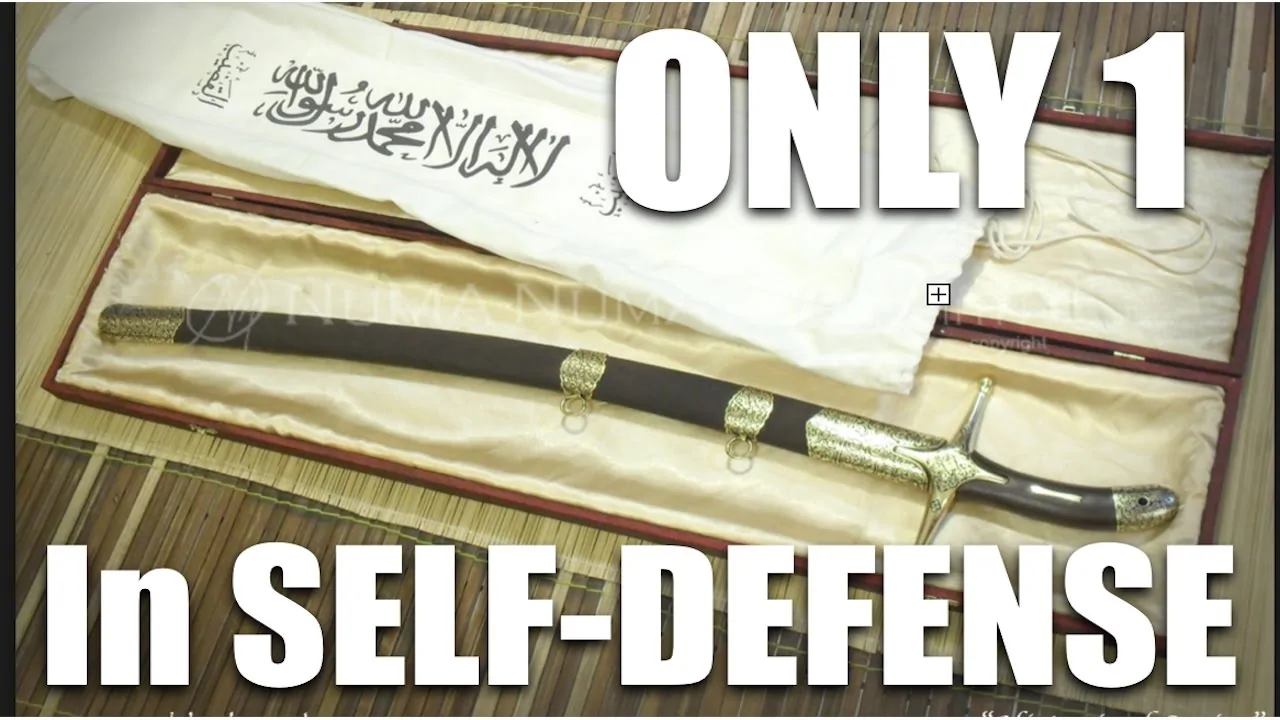
Despite participating in numerous engagements during a period of intense persecution and existential threat, the Prophet Muhammad ﷺ is historically recorded as having personally killed only one individual by his own sword — Ubayy ibn Khalaf, a man who had publicly vowed to kill the Prophet and was actively charging at him on horseback during the Battle of Uhud. This was not aggression; it was legitimate self-defense in the heat of combat. The contrast is staggering: a leader who engaged in multiple wars, commanding thousands of companions, and yet the count of personal kills stands at one. If violence were truly his purpose, the record would look entirely different. This single fact dismantles the “warlord” narrative more completely than any lengthy rebuttal.
- The Prophet ﷺ participated in numerous battles yet personally killed only one person with his own sword — in direct self-defense
- That individual, Ubayy ibn Khalaf, had actively threatened the Prophet’s life and was mid-charge during combat when the encounter occurred
- Islamic scholarship categorises all of the Prophet’s military engagements as just wars — defensive in nature and governed by strict ethical principles
- Non-Muslim historians, including the acclaimed Karen Armstrong, have affirmed the defensive and principled character of the Prophet’s conduct in war
- Mahatma Gandhi — history’s most celebrated icon of non-violent resistance — reportedly finished the Prophet’s biography with profound admiration, a reaction impossible to reconcile with the warlord caricature
“We did not send you but as a mercy to the entire universe.” — The Quran, Surah Al-Anbiya, 21:107
Justice and Mercy Are Not Opposites: Understanding the Just War in Islamic Tradition
The Quran defines the Prophet’s mission with extraordinary clarity — sent as a rahmatun lil ‘alamin, a mercy to all of creation, not merely to Muslims. That mercy does not mean passivity in the face of oppression, torture, and forced exile. Just as no thoughtful person labels a nation defending its sovereignty a gathering of warlords, the same reasoning applies to the early Muslim community, who were persecuted, expelled from their homes, and threatened with annihilation before they ever raised arms in defence. The ethical framework the Prophet ﷺ established for conduct in war — protecting civilians, prohibiting mutilation, safeguarding places of worship, honouring treaties — was centuries ahead of anything the ancient world had formalised. These are not the rules of a man hungry for bloodshed; they are the standards of a divinely guided leader whose every war carried moral justification and clear limits.
“His wars were just wars — he was never picking on people. The innocent were given mercy and forgiveness; those who were criminals were dealt with justice. That is not the mark of a warlord — that is the mark of a just and merciful leader.”
For anyone sincerely pursuing understanding of Islam, faith, and the character of the Prophet Muhammad ﷺ, the invitation is simple: look beyond the noise and examine the historical record with honest eyes. The same spirituality that moved Gandhi to quiet admiration, that compelled Karen Armstrong to write a landmark biography, and that continues to draw millions to this way of life — this is a tradition rooted in divine guidance, genuine purpose, and a mercy that extends to all of humanity. When the Prophet is understood through the lens of the Quran and authentic historical scholarship, what emerges is not a figure of fear but a beacon of light: living proof that strength and compassion are not opposites, but the twin pillars of true leadership, and a lasting reminder of why Islam remains a complete and merciful way of life for all of mankind.