At the very heart of Islam lies a truth so profound and clarifying that the Prophet Muhammad ﷺ described it as the foundation upon which the entire religion is built: Tawheed — the absolute, unwavering Oneness of Allah. Before prayer, before fasting, before any act of devotion, comes this singular recognition: that there is no god worthy of worship except Allah alone, with no partner, no equal, and no rival in His Essence, His Lordship, or His divine Names and Attributes. This is not merely a theological statement — it is the axis around which every Muslim’s faith, purpose, and spiritual journey revolves. To understand Tawheed is to understand why we were created, what we are called to do, and where our ultimate return lies.
The Three Dimensions of Divine Oneness in Islamic Theology
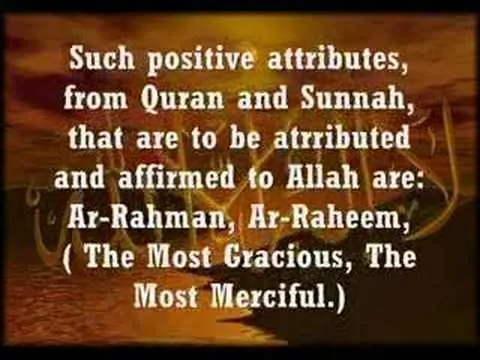
Islamic scholars have carefully articulated Tawheed across three interconnected categories, each completing and necessitating the others. Tawheed al-Ruboobiyyah — the Oneness of Divine Lordship — affirms that Allah alone creates, sustains, governs, and controls all of existence. Even the polytheists of old acknowledged this much, as the Quran records their admission that Allah is the Creator of the heavens and earth — yet they still fell short by directing their worship elsewhere, exposing the fatal inconsistency of affirming a Creator while worshipping other than Him. Tawheed al-Uloohiyyah — the Oneness of Divinity — is where the greatest test lies: devoting every act of worship, inwardly and outwardly, solely to Allah, with nothing and no one sharing in that devotion. This is the Tawheed for which every Prophet was sent and every divine scripture was revealed. Tawheed al-Asma’ wa’l-Sifaat — the Oneness of the Divine Names and Attributes — means affirming what Allah has affirmed of Himself and denying what He has denied, without distortion, denial, or false comparison to creation. Together, these three dimensions form the complete and indivisible framework of Islamic monotheism:
- Tawheed al-Ruboobiyyah: Allah alone is the Creator, Sustainer, and Sovereign over all creation — nothing in the universe operates outside His knowledge and will
- Tawheed al-Uloohiyyah: All worship — prayer, supplication, love, fear, hope, reliance — belongs exclusively to Allah, and directing any of it to other than Him is the gravest of wrongs
- Tawheed al-Asma’ wa’l-Sifaat: Allah’s Names and Attributes are affirmed exactly as He described them, without likening them to creation or emptying them of their meaning
- Sincerely affirming Ruboobiyyah logically demands Uloohiyyah — one who truly knows Allah is the sole Creator must worship Him alone
- This complete Tawheed is the very essence of the shahada: La ilaha illa Allah, Muhammadun Rasulullah — the testimony upon which Islam stands
- Whoever deviates in Tawheed al-Uloohiyyah — directing worship to other than Allah — has gone beyond the pale of Islam, regardless of other acts of devotion performed
“Say: He is Allah, (the) One. Allah — the Self-Sufficient Master, Whom all creatures need. He begets not, nor was He begotten. And there is none co-equal or comparable unto Him.”
— Surah Al-Ikhlas (112:1–4)
Tawheed as the Living Call to Spiritual Awakening and Return
The wisdom of the Prophet ﷺ in placing Tawheed as the first and most essential call to every people is not incidental — it is the cure for every form of spiritual heedlessness. The ancient poetic tradition in Islamic culture has long captured this reality: the soul that wanders in distraction, amusement, and sin is a soul that has momentarily forgotten its Lord. The call to return — to repentance, to renewed intention, to sincere worship — is inseparable from the call to Tawheed itself. When a person truly internalises that the One who created them from nothingness sees and hears their every state, tawbah becomes natural — a turning back toward the only constant in an impermanent world. The Quran reminds us that even those who strayed still confessed Allah as Creator; what they lacked was the sincerity and courage to worship Him alone. True Tawheed, then, is not merely an intellectual affirmation — it is a lived reality that reshapes a person’s attachments, priorities, and relationship with time, wealth, and legacy, all of which will pass, while only deeds directed sincerely to Allah will endure.
“You are going to people from among the People of the Book, so let the first thing to which you call them be belief in Allah alone (Tawheed). If they accept that, then tell them that Allah has enjoined on them five prayers every day and night.”
— The Prophet Muhammad ﷺ, directing Mu’adh ibn Jabal before his mission to Yemen (Sahih al-Bukhari 7372; Sahih Muslim 19)
Tawheed is not a subject confined to books of theology — it is the living soul of every Muslim’s daily experience. It is what gives meaning to the pre-dawn prayer before the world awakes, to the charity given without seeking recognition, and to the patience held through hardship without complaint. When the heart is anchored in the genuine Oneness of Allah, life becomes coherent: its trials are tests from a Wise and Knowing Lord, its blessings are trusts to be used in His service, and its inevitable end is a return to the One from Whom everything began. The scholars remind us that Tawheed is both the first obligation and the final refuge — it is what the Prophets preached before any other duty was enjoined, and what a believer clings to when no other support remains. For every Muslim seeking clarity of faith, depth of spirituality, and a life of genuine purpose and guidance, returning again and again to the study, understanding, and lived practice of Tawheed is not merely an option — it is the very foundation of a life well-lived before Allah.