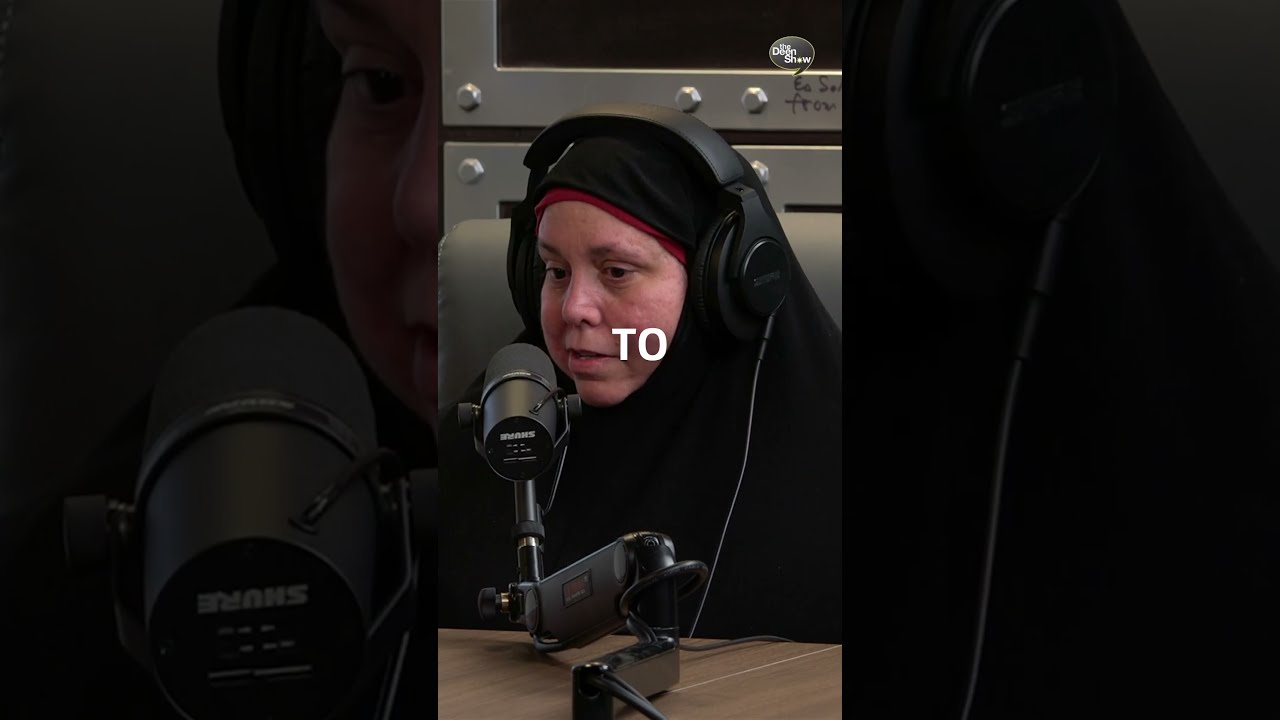

Of all the trusts Allah places in our hands, none carries more weight — or more long-term consequence — than the soul of a child. Islam does not leave parents to figure this out alone. From before the marriage contract is signed to the first whisper of the adhan in a newborn’s ear, from protecting the early years to nurturing righteous character through childhood, Islamic guidance provides a complete, mercy-filled roadmap for every stage of parenting. In a special episode of The Deen Show’s Family Matters series, Islamic scholar Isam Raja sat down to walk through this journey from A to Z — and what emerges is both a profound spiritual framework and a deeply practical guide for Muslim parents navigating the challenges of raising children in today’s world.
The Foundation Starts Before Pregnancy — Choosing the Right Spouse and Beginning with Dua
Perhaps the most striking insight from this conversation is just how early the process of raising a child truly begins. When asked what preparations a soon-to-be parent should make, Sheikh Isam’s answer was unambiguous: before the child, before the pregnancy — it starts with choosing the right spouse. The Prophet ﷺ instructed believers to “choose for the water you will implant in the womb of your wives,” meaning the very seed of a righteous upbringing is the righteousness of both parents. A pious woman is not simply one who prays and fasts, but one who has noble character — who deals with people gently, obeys Allah, and embodies goodness in her daily conduct. The story of Ibrahim Adam makes this vivid: when a man came to him asking how to raise his four-month-old child, Ibrahim told him plainly that it was already too late — that he should have come before choosing his wife. And the famous account of Caliph Umar echoes the same truth from a different angle: a father came complaining about his rebellious son, only for Umar to point out that the father had failed his obligations first — he had not chosen a righteous mother, had not given the boy a good name, and had not educated him in the deen. The rights of children begin long before the rights of parents are claimed.
“You were not beautiful to your son before he was undutiful to you.” — Caliph Umar ibn al-Khattab (رضي الله عنه), to a father who complained of his rebellious child, reminding him that parental obligations precede parental expectations.
- Choose a spouse based primarily on religiosity and good character — the Prophet ﷺ identified deen as the priority above wealth, lineage, or beauty
- Make dua from the very first night of marriage: “O Allah, I ask You of her goodness and the goodness she is accustomed to, and I seek refuge from any evil she may carry”
- Before intimate relations, recite the prophetic supplication: “Bismillah — O Allah, keep Shaytan away from us and from whatever You grant us” — the Prophet ﷺ promised this dua protects the child from the harm of Shaytan
- During pregnancy, play Quran continuously in the home — science confirms a foetus recognises sounds; let the first words absorbed be the words of Allah
- Both parents should increase their own worship during pregnancy — the spiritual atmosphere of the household shapes the child even before birth
- Fathers must be physically and emotionally present throughout — studies show over 70% of prison inmates were raised without a father in the home
From the First Cry to Age Seven — Islamic Rites, Spiritual Protection, and Character Formation
The moment a baby enters the world, Islam prescribes a beautiful sequence of spiritually purposeful actions. The father should take the child gently and recite the adhan softly into the right ear — so that the first words this new soul hears are “Allahu Akbar,” the declaration of God’s greatness. As Sheikh Isam explains, a Muslim’s life is framed between two calls: the adhan at birth and the janazah prayer at death; everything in between is the time granted to worship and serve. On the seventh day, the Sunnah recommends naming the child (choosing a meaningful, beautiful name), shaving the head and giving its weight in silver as sadaqah, performing the aqiqah (two sheep for a boy, one for a girl as gratitude to Allah), and circumcision. Beyond the rites, parents must actively build the child’s spiritual and personal foundation throughout the early years. The Prophet ﷺ advised keeping young children indoors before Maghrib — when the shayateen spread — and he himself recited protective duas over his grandsons Hasan and Husain, just as Ibrahim عليه السلام had done before him. On the matter of Quranic memorisation, the guidance is elegantly practical: play Quran while children are simply playing. The same subliminal repetition that media companies use to embed advertising into the subconscious can be turned toward something infinitely more valuable. And crucially, research and Islamic wisdom converge on a single fact: by age seven, the core of a child’s personality is largely formed — making the early years the highest-stakes season of parenting, and the home the primary school of faith.
“O you who believe! Ward off yourselves and your families against a Fire whose fuel is men and stones.” — Surah al-Tahrim (66:6). Imam al-Tabari explained this as a command to teach our families the acts of obedience to Allah — not merely to tell children to pray, but to immerse them in a household of worship, remembrance, and righteous character from their earliest moments.
- Recite the adhan gently in the newborn’s right ear immediately after birth — let God’s name be the very first sound the child hears in this world
- On the seventh day: choose a meaningful Islamic name, shave the baby’s head and give its weight in charity, and perform the aqiqah
- Play Quran softly while children are at play — subconscious repetition is powerful; redirect that power toward divine words rather than media noise
- Recite protective adhkar over children each evening, particularly before Maghrib; this Prophetic practice traces back to Ibrahim عليه السلام
- Teach salah from age seven — frame prayer not as obligation but as the most important appointment of the day, modelled by parents who pray themselves
- Evaluate your intentions as a parent: are you raising a doctor for wealth, or a servant of Allah who happens to become a doctor? The mother of Imam Ibn al-Mubarak prayed for her son’s sight to be restored specifically so he could serve Islam — not for worldly reasons
- Understand that the child’s primary education happens within the family — parents are the curriculum before any school or madrasa takes over
Raising a child in Islam is not a checklist completed at birth, nor a task delegated entirely to institutions. It is an ongoing act of worship — a sadaqah jariyah that outlives us. The mother of Maryam (عليها السلام) prayed sincerely for a righteous child to serve Allah, and though she expected a son, Allah gave her a daughter who would become the mother of a prophet. Her sincere intention before Allah set in motion outcomes beyond anything she could have planned. That story is a timeless reminder that our intentions and our dua matter as much as our methods, and that tawakkul — genuine reliance on Allah — is not passive, but an active, daily engagement with guidance. Whether you are newly married, expecting, or already navigating the beautiful challenge of raising young children, the Islamic framework calls you back to the same foundation: begin with righteousness in yourself, surround your child with Quran and remembrance of Allah, be present in body and spirit, and ask Allah consistently to make your child among those who cool your eyes in this life and intercede for you in the next. The child who grows up knowing and loving their Creator is the greatest legacy any parent can leave behind — and that journey begins, as Islam teaches, long before the child even arrives.