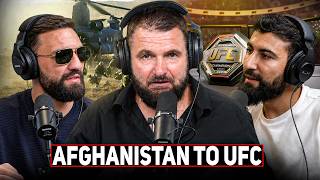
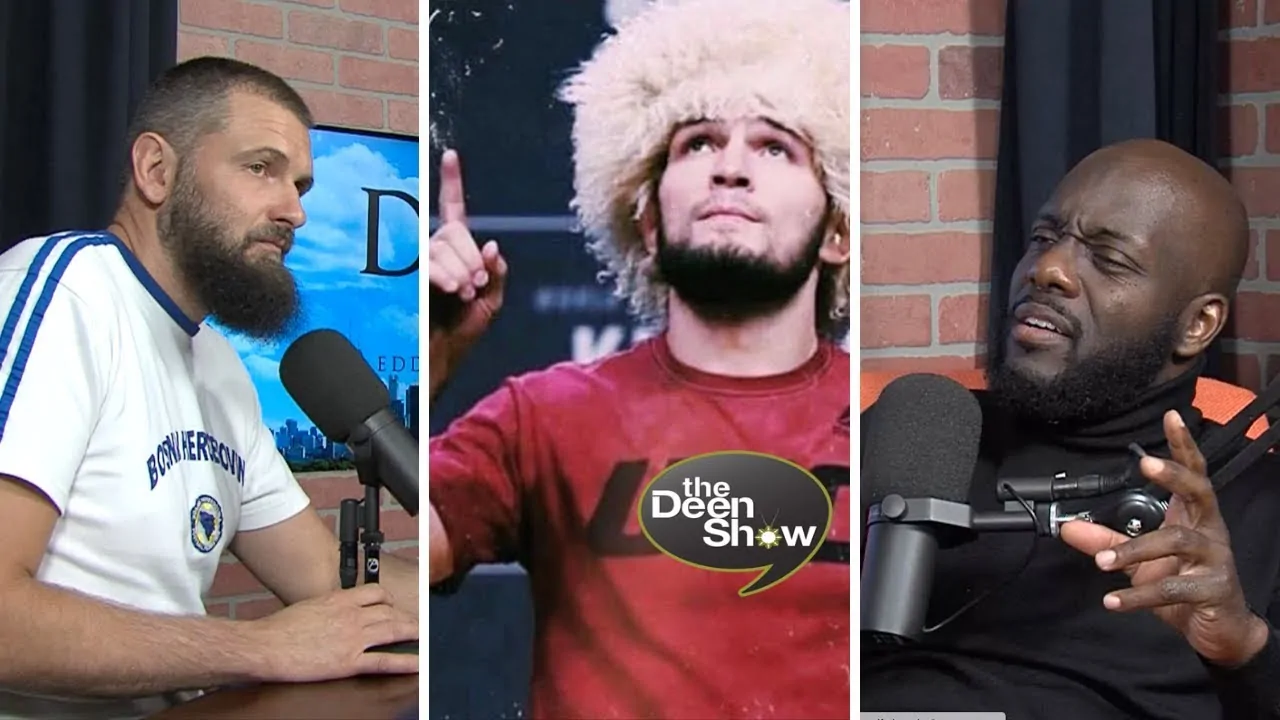
When Khabib Nurmagomedov defeated Conor McGregor at UFC 229, millions of Muslims around the world witnessed something far greater than a victory inside the octagon. Here was a man who, after one of the biggest wins in UFC history, immediately dropped to the ground in prostration — not kissing the canvas in celebration, but thanking the Creator of the heavens and the earth. In a sport dominated by trash talk and ego, Khabib’s open declaration of faith and his words of praise — Alhamdulillah — resonated deeply with believers everywhere and reminded the world what Islam truly looks like in action.
Why Khabib’s Victory Mattered Beyond the Cage
Khabib’s significance to the Muslim community goes well beyond his undefeated record. Much like Muhammad Ali before him, Khabib used his global platform to call people toward something greater than fighting. In a climate where speaking openly about Islam can be difficult, Khabib unapologetically represented his faith, his heritage, and his values on the world’s biggest stage. For Muslim youth especially, his message was clear and powerful: stay connected to God, remain humble, and never let fame pull you away from prayer.
“Stay connected to God. Most important thing — stay connected with God. Because without this, money, family, nothing gives you anything. You have to stay connected. Always have to pray, always have to stay humble and stay focused.” — Khabib Nurmagomedov
- Faith before fame: Khabib declared that his religion is “number one” — placing Islam above titles, money, and celebrity
- A legacy of humility: His consistent use of Alhamdulillah (all praise is due to God) echoed the teaching of Jesus (peace be upon him) who redirected praise away from himself and toward God alone
- Inspiration for Muslim youth: In a world that pressures young Muslims to hide their identity, Khabib showed that you can compete at the highest level while being unapologetically Muslim
- Continuing the tradition of Muhammad Ali: Like Ali before him, Khabib used his platform as a fighter to speak about matters far more important than the sport itself — purpose, character, and devotion to the Creator
The Post-Fight Incident: A Lesson in Human Imperfection and Islamic Mercy
After submitting Conor McGregor, Khabib leaped over the cage in a moment of emotional reaction — a response to weeks of relentless taunting directed at his faith, his father, and his homeland. While this moment was undeniably wrong, and Muslim scholars on the show were clear about that without equivocation, it also became a powerful teaching moment. Khabib publicly apologized, his father held him to an even higher standard than the UFC commission, and the Muslim community was reminded that human beings are created with weakness — but the best of those who err are those who sincerely repent and make amends.
“The Prophet Muhammad (peace be upon him) re-entered Mecca as a conqueror with every right to seek revenge against those who tortured and killed his loved ones. Instead, he bowed his head and declared: ‘This is not the day of slaughter — this is the day of mercy.’ That is the legacy we follow. We are not perfect, but that prophetic example is what balances us and guides us back.”
Clemency Over Cowardice: The Islamic Standard of True Strength
- Prophetic example: Prophet Muhammad (peace be upon him) showed mercy at the conquest of Mecca when he had full power to retaliate — proving that true strength lies in restraint, not revenge
- Khabib’s father held him accountable: His father publicly stated that his own sanctions would be more severe than the UFC’s, modeling Islamic parenting and discipline at the highest level
- Clemency is not cowardice: In Islam, choosing forgiveness when you have the power to retaliate is the highest standard of leadership and character
- A community that forgives: God is forgiving, and as a community of faith, Muslims are called to extend that same mercy — acknowledging the wrong while allowing room for growth and repentance
The victory of Khabib over Conor McGregor at UFC 229 was never just about fighting. It was a reminder that Islam produces people of discipline, character, and unwavering faith — men and women who praise God in their highest moments, who own their mistakes, and who strive to embody the mercy of the Prophet Muhammad (peace be upon him). If you want to be like Khabib, do not start with the fighting — start with the prayer, the humility, and the connection to your Creator. As Khabib himself says: Alhamdulillah — without God, everything is nothing.