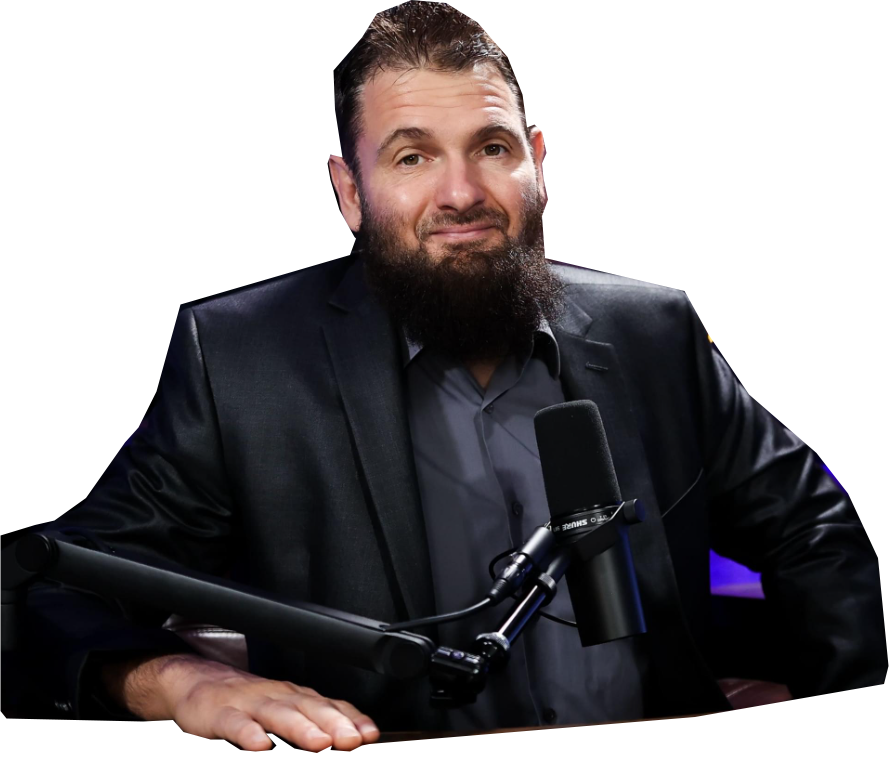
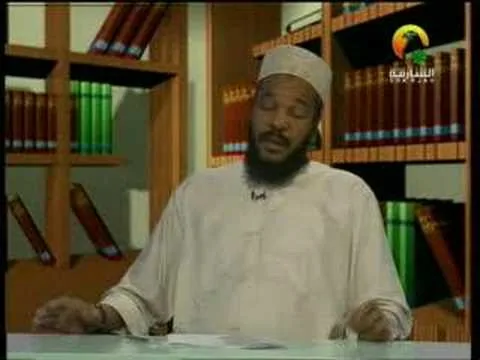
For centuries, the beard has stood as one of the most recognisable outward symbols of a Muslim man’s identity — yet it remains one of the most misunderstood obligations in contemporary Islamic practice. Many Muslims treat it as a matter of personal choice, dismissing it as “just Sunnah,” as though that phrase removes its binding weight. In the In the Light of Islam series, Sheikh Bilal Philips addresses this question directly, drawing on Quranic principles, authentic prophetic hadith, and the classical methodology of Islamic jurisprudence to establish clearly and unambiguously why growing the beard is not a lifestyle option but a religious duty for every Muslim man.
Sunnah Is Not a Single Category: Unpacking the Obligation Behind the Beard
The most common source of confusion on this issue is the word Sunnah itself. Many assume that because the beard is described as Sunnah, it falls under the category of “recommended” — praiseworthy to do but carrying no sin if neglected. Sheikh Bilal Philips dismantles this misconception by clarifying that the term Sunnah carries two distinct meanings in Islamic scholarship. In its broadest sense, it refers to the entire methodology and way of life of the Prophet Muhammad ﷺ — a framework that encompasses everything from obligatory acts to prohibited ones, from the recommended to the merely permissible. Determining which category any given act falls into is not arbitrary; it is governed by the rigorous science of usul al-fiqh — the foundational principles of Islamic law. The decisive principle here is straightforward: when a higher authority issues a direct, unconditional command to those under their care, that command carries the presumption of obligation. Since the Prophet ﷺ is the highest religious authority for Muslims, his command to grow the beard — issued without any qualifying statement that would reduce it — is classified as obligatory (wajib).
“Grow your beards and trim your mustaches; distinguish yourselves from the pagans.” — Prophet Muhammad ﷺ (Sahih al-Bukhari)
- The word Sunnah has two meanings: the general way of the Prophet ﷺ, and the narrower legal category of “recommended acts” — these are not interchangeable when discussing the beard
- A direct, unconditional command from the Prophet ﷺ is presumed obligatory in Islamic jurisprudence — the same principle that governs language and authority in any functioning society
- No qualifying condition exists in the relevant hadith to reduce the beard command from obligation to mere recommendation
- Ibn Hazm recorded scholarly consensus (ijma’) that growing the beard is fard (obligatory) and shaving it is haram (forbidden)
- Shaykh al-Islam Ibn Taymiyyah affirmed that the Quran, Sunnah, and consensus all require Muslims to distinguish themselves outwardly from non-Muslims — including in matters of appearance
- Imam Ibn Abd al-Barr stated that shaving the beard is forbidden and historically associated with those who imitate women
Historical Weight and Practical Guidance: What the Scholars and Companions Established
The seriousness with which classical Islamic scholarship treated beard-shaving is evidenced not only in legal rulings but in lived institutional practice. During the Ottoman period, a judge would refuse the testimony of a man who shaved his beard — on the grounds that a person bold enough to publicly and openly defy a clear prophetic command, wearing that defiance on his very face for all to see, could not be trusted to give honest witness in a court of law. The Prophet ﷺ himself demonstrated his position when Christian emissaries arrived with shaved beards and large moustaches: he turned away from them and, when asked why, replied that his Lord had commanded him to grow the beard and trim the moustache — a statement that held even in diplomatic encounters with people of other faiths. As for the question of length, the companions of the Prophet ﷺ followed a clear and practical standard: they would trim whatever exceeded the length of a closed fist, treating that measure as both the minimum for maintaining the beard and the maximum before trimming becomes appropriate.
“Shaving the beard is haraam because of the saheeh ahaadeeth that clearly state this, and because of the general application of texts that forbid resembling the kuffaar… It is not permitted to remove any part of the beard because of the general meaning of the texts which forbid doing so.” — Fataawa al-Lajnah al-Daa’imah, 5/133
Islam’s guidance on the beard is not a cultural relic carried forward through tradition alone — it is a purposeful marker of faith, masculine identity, and willing surrender to prophetic guidance, one that finds support in direct command, scholarly consensus spanning centuries, and the lived practice of the companions. Every Muslim man who approaches this question through authentic Islamic knowledge reaches the same clear conclusion: growing the beard is a religious obligation, shaving it is a sin committed each time the razor is raised, and its length should be maintained within the measure of a fist. Rather than viewing this as a burden imposed from without, the believer is invited to see the beard for what it truly is — an outward expression of inner conviction, a quiet but unmistakable declaration that one’s faith in Allah and love for His Messenger ﷺ shapes not only the heart but every dimension of a life lived in the light of Islam.