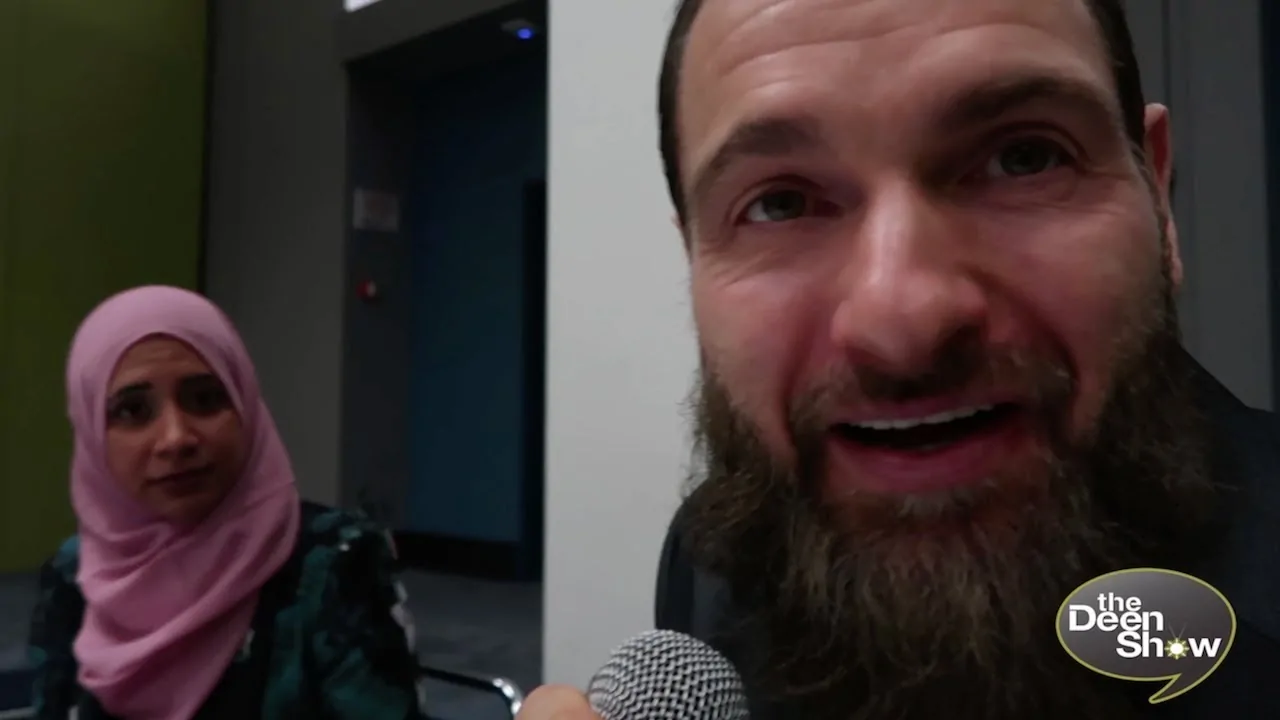
In a time when Islamophobia continues to impact the daily lives of Muslims — from airports to social media — knowing your rights and responding with wisdom is more important than ever. Sister Zahra, a civil rights lawyer and director of the CAIR San Francisco Bay Area office, joined The Deen Show to address practical concerns that Muslim travelers and social media users face regularly. Her advice is grounded in both legal expertise and Islamic wisdom: be prepared, stay calm, document everything, and never let fear or anger push you into a reaction you will regret.
Know Your Rights When Flying as a Muslim
Airline staff have broad discretion to remove passengers from flights, but they cannot legally do so based on race or religion. The challenge, however, lies in proving that discrimination occurred. Sister Zahra shared that CAIR received at least a dozen complaints in one year alone from Muslims being kicked off planes across the country. Her practical advice for every Muslim traveler is clear and actionable:
- Arrive at the airport on time, be polite, courteous, and well-behaved — dot your i’s and cross your t’s
- Know that your bags and electronics can be searched, so be prepared mentally and practically
- If you are removed from a flight, do not get into a physical altercation or argument — you do not have to answer questions from law enforcement
- Call CAIR immediately after the incident to explore legal recourse
- Ask a fellow passenger (not yourself) to record the interaction on their phone — a neutral third-party video is far more powerful as evidence than your own recording
- Airlines often rebook passengers on the next flight to protect themselves from lawsuits, but legal action may still be warranted
“If something happens to you on a flight, don’t make it worse. Get off the plane, be polite, and call CAIR. Technology matters — record the interaction. A neutral video from a fellow passenger can be the difference between your word and theirs.”
Responding to Islamophobia on Social Media with Wisdom
“Everything you put on the internet is permanent. If it leaves your lips or fingertips, it is forever — Allah sees it, the NSA reads it, it ends up in an FBI file, and your haters are going to screenshot it. Think about that before you hit send.”
When public figures spread anti-Muslim rhetoric online, the temptation to respond with anger is strong. But Sister Zahra’s advice reflects the prophetic approach: be strategic, be patient, and think before you act. Screenshot the offensive content for documentation, identify who that person’s friends and influencers are, and consider whether patient conversation might be more effective than confrontation. As she reminded the audience, if Omar ibn al-Khattab (may Allah be pleased with him) could convert to Islam on his way to harm the Prophet (peace be upon him), then anyone’s heart can be turned. The invitation to those who speak against Islam remains open — sincerely look into it, taste it, and you will find that it provides the peace and purpose every soul is searching for.