One of the most profound and emotionally charged questions in Islamic discourse — asked by Muslims and non-Muslims alike — is whether people who lived seemingly kind and generous lives, yet outside of Islam, will face eternal punishment. It is a question that challenges human intuition, provokes genuine moral inquiry, and touches the very meaning of faith, spirituality, and divine justice. But before this question can be answered, a more foundational question must be confronted: who defines what “good” actually means — and by whose standard are we measuring it?
The Illusion of Human-Defined Goodness
The moment we probe the word “good,” we discover that it is not a fixed, universal concept — it is deeply relative, shaped by culture, history, power, and self-interest. A nation that invades another country to seize its resources may call that act justified and necessary; the people being invaded would call it theft and oppression. A warlord responsible for mass atrocities has been depicted with a halo and angel’s wings by his own admirers. Even spiritual movements have been caught in this tension: Buddhism, born out of a rejection of India’s caste system and a call for human equality, was violently suppressed — its monasteries stormed, its followers slaughtered — by those who believed rigid religious hierarchy was the very definition of righteousness. The secular idea of “altruism” — doing good for its own sake, with no personal gain — is similarly problematic. The person who gives to charity still feels inner satisfaction from the act, still places themselves at the center of the moral equation. Islam is clear: actions rooted in ego, social approval, or cultural custom — however impressive on the surface — are not the same as actions rooted in sincere submission to Allah subhanahu wa ta’ala. This moral relativity is not a minor philosophical curiosity; it is the core reason human goodness alone cannot serve as the yardstick for divine judgment.
“One person’s definition of a good person is another person’s definition of an evil person. This is the problem — and then who defines what is good?”
- Goodness is culturally relative: What is considered virtuous in one society may be viewed as oppressive or evil in another
- History exposes human moral inconsistency: War criminals and tyrants have been celebrated as heroes and saints by their own communities
- Secular altruism still serves the self: The sense of satisfaction from doing good means even “selfless” acts carry an element of personal gain — and potentially, arrogance
- Only Allah’s standard is absolute: In Islam, goodness is defined by the Qur’an and the Sunnah — not by culture, sentiment, or majority opinion
- Intention alone is insufficient: A deed must be both sincerely intended for Allah and correctly performed according to the Shariah to be accepted
The Three Conditions That Make a Deed Truly Accepted in Islam
According to Islamic teaching, a deed is only accepted by Allah subhanahu wa ta’ala when three conditions are met simultaneously: the intention must be pure and sincerely for the pleasure of Allah alone; the action must be correct and performed in accordance with the Qur’an and the Sunnah of the Prophet Muhammad ﷺ; and the deed must be grounded in true Iman — sound and correct faith. An action done with good intentions but in a manner that contradicts the Shariah will not be accepted. An action performed correctly on the outside but done to impress others or earn social recognition — what Islam calls riya, or showing off — is equally void. And both sincere intention and correct action become hollow when the foundation of faith is broken. As the Qur’an makes clear, Allah subhanahu wa ta’ala will not accept a religion other than Islam, and deeds performed in a state of shirk — associating partners with Allah — will be rendered futile in the Hereafter. This is not divine cruelty; it is the logical consequence of rejecting the very Author of goodness. When a person spends their entire life refusing to acknowledge and submit to their Creator, their good deeds — however impressive by human measure — lack the one axis around which all true righteousness revolves.
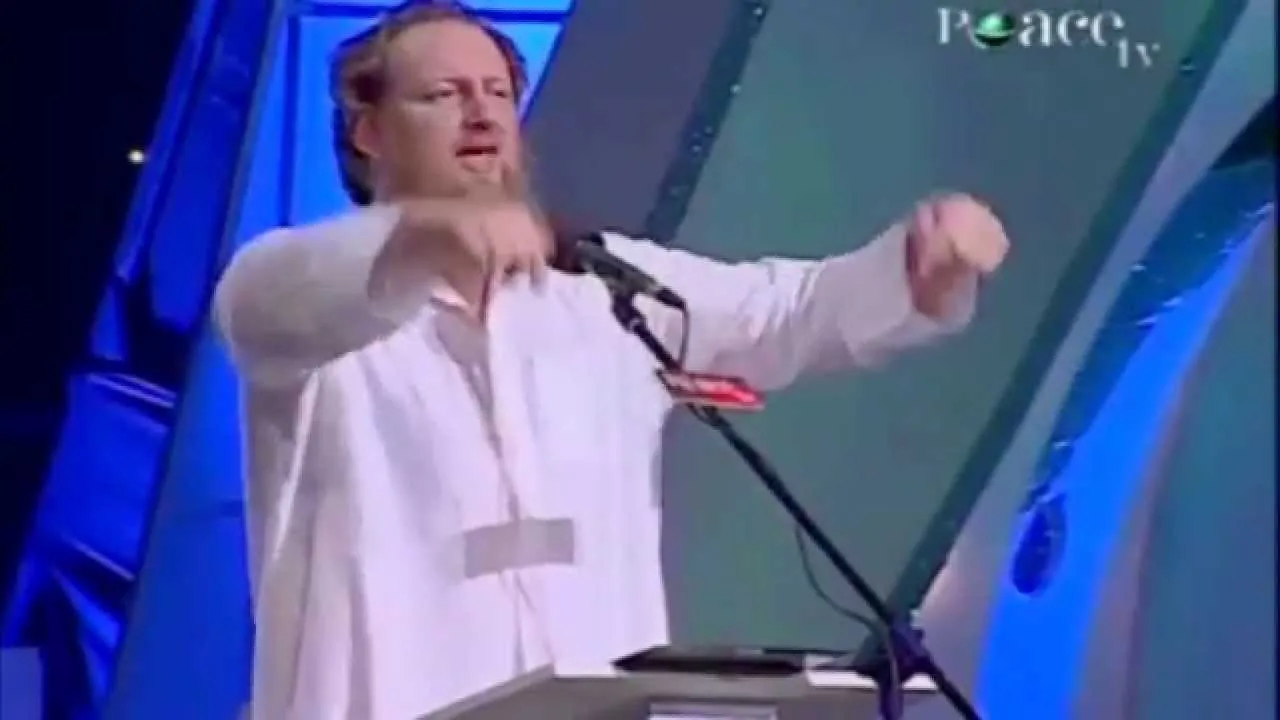
“True faith is the basis of everything in Islam. If our belief concerning Allah is not correct — if we are worshipping something or someone along with Allah — then our deeds will be useless, our deeds will be futile, our deeds will be vain.”
The question of whether “good people” go to Hell ultimately forces us to reckon with a truth that Islam presents with both clarity and compassion: we are not the authors of our own salvation, and human goodness detached from divine guidance is an incomplete measure. Allah’s justice is perfect and absolute — He alone knows the true condition of every heart, the degree to which His message reached each soul, and the sincerity of every person’s response. According to the ‘aqeedah of Ahl al-Sunnah wa’l-Jama’ah, we may speak in general terms about the qualities that lead to Jannah or Jahannam, but we do not pronounce judgment on specific individuals whose final state only Allah knows. What we can do — and what every sincere believer is called to do — is reflect seriously on the fragility of our own deeds, the necessity of correct faith, the purity of our intentions, and the urgency of seeking guidance before death arrives. May Allah subhanahu wa ta’ala grant us all sincerity of heart, sound and correct Iman, and the guidance that leads to His boundless mercy and His eternal Paradise.