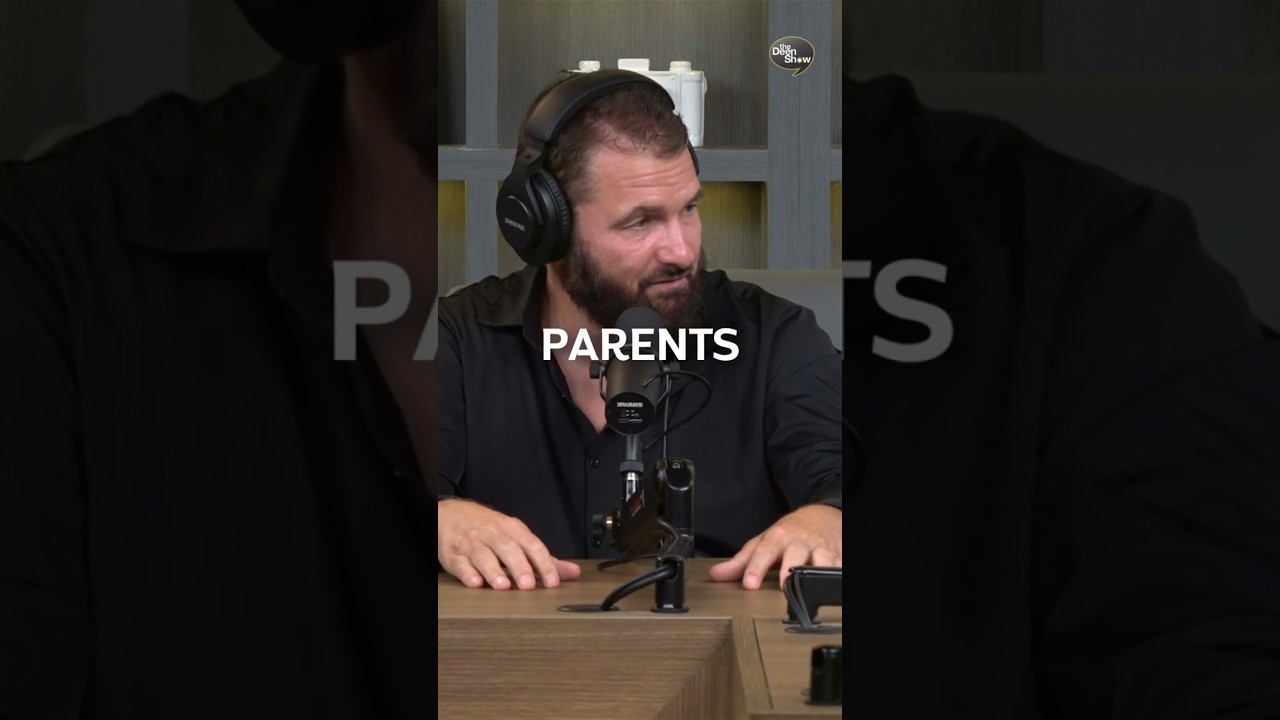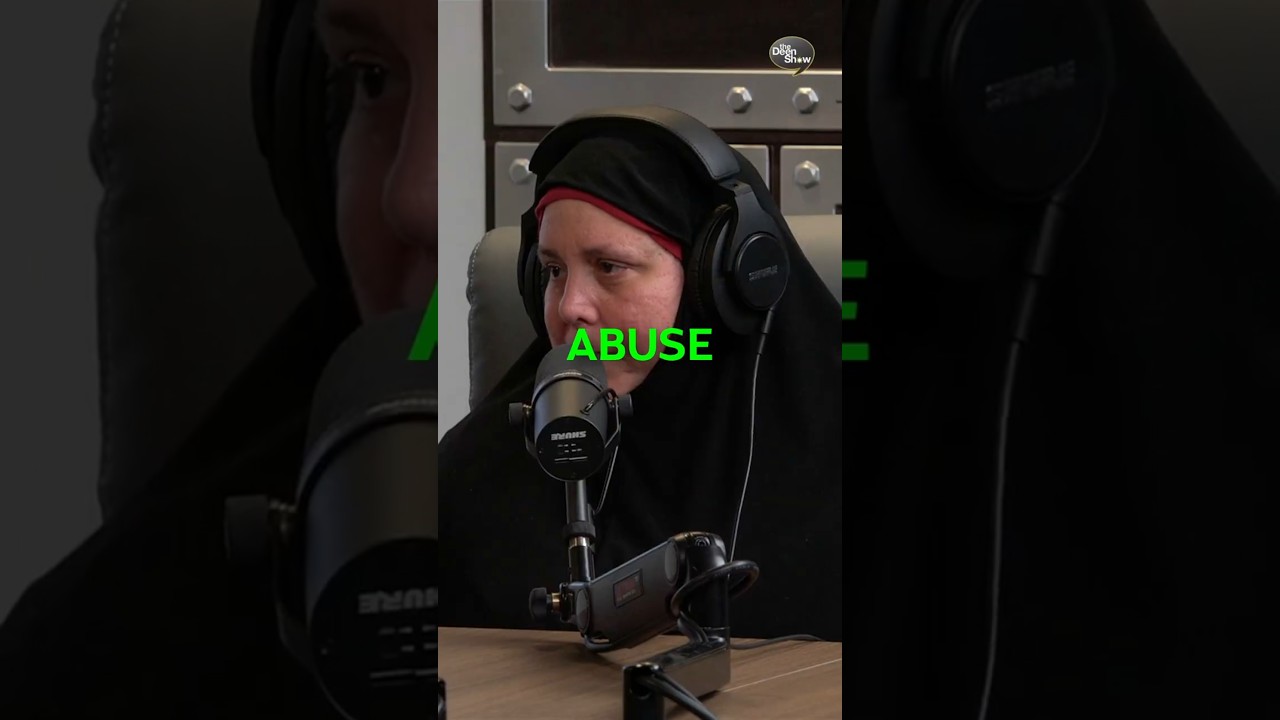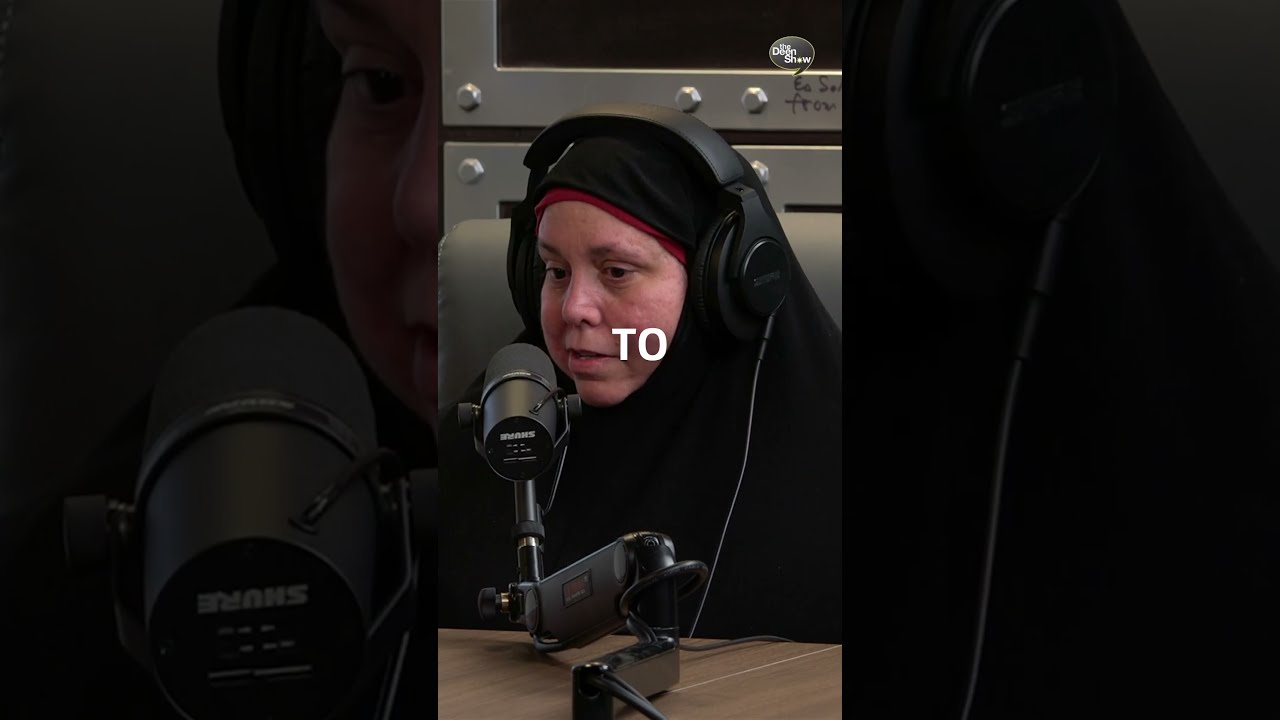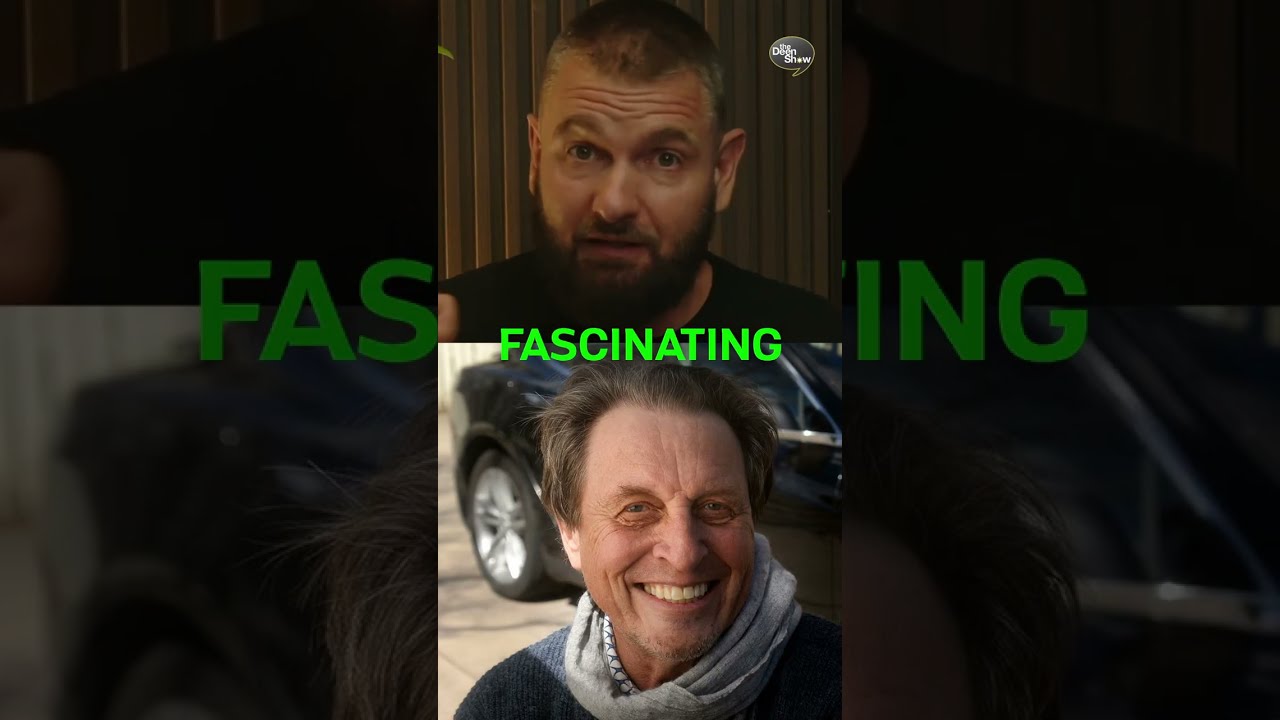
Heartbreak is one of the most disorienting experiences a person can go through — the kind that makes ordinary moments feel unbearably heavy. A young Muslim sister wrote to The Deen Show carrying exactly this pain: she had walked away from a long-term relationship she knew was prohibited in Islam, acknowledging her mistake with honesty and humility, yet found herself unable to move forward. He was out of her life but still lived rent-free in her heart. Joined by Sheikh Yaser Fazaga — an Islamic scholar with a postgraduate degree in psychotherapy — the show addressed her question and, in doing so, opened a window of spiritual and practical guidance for every Muslim navigating heartbreak, loss, and the challenge of living by principle in a world that constantly pulls in the opposite direction.
What the Heart Goes Through — Grief, Loss, and the Islamic Framework
Sheikh Fazaga explained that what this sister was experiencing is clinically recognised as the loss of a love — and like any significant loss, the human heart moves through five identifiable stages: shock and denial, anger and resentment, depression, a search for meaning, and finally, acceptance. There is no shortcut through these stages, nor a prescribed timeline for any of them. His key message was clear: do not rush yourself to “get over it.” Healing is not about erasing someone from memory; it is about coming to peace with the past. The only way to squeeze bad emotions out, he noted, is by actively filling life with good ones — not by forcing the grief away, but by choosing, deliberately, to bring happiness, purpose, and spiritual nourishment back in. Islam frames trials of this kind not as punishment but as purification. The scholars of Islam, drawing from the Quran and Sunnah, taught that calamities erase sins, elevate the believer in rank, dispel heedlessness, and most importantly, return the heart to its Creator. The wisdom here is not to suppress the pain, but to anchor it — to resist despair by recognising that even this loss is woven into a larger, merciful design.
“How wonderful is the affair of the believer, for his affairs are all good, and this applies to no one but the believer. If something good happens to him, he is thankful for it and that is good for him. If something bad happens to him, he bears it with patience and that is good for him.” — Prophet Muhammad ﷺ (Sahih Muslim, 2999)
- The five stages of grief are natural and healthy — rushing through them prolongs, not shortens, the pain
- Healing is not about forgetting; it is about reaching genuine peace with what happened
- Islam views trials as expressions of Allah’s mercy — they draw the servant closer to Him and purify the heart
- Saying Inna lillahi wa inna ilayhi raji’un is not mere ritual — it is a spiritual anchor that reorients the self toward Allah
- Panicking, bitter resentment, or forcing “recovery” disrupts the natural process and can deepen the wound
- The more positive actions, gratitude, and worship you bring into your life, the more misery is naturally displaced
Standing Your Ground — Self-Worth, Boundaries, and the Wisdom of Commitment in Islam
One of the most psychologically astute observations in the episode was this: if how we feel about ourselves is entirely dependent on what others say about us, we have already surrendered something essential. The desire to be acknowledged and wanted by the opposite gender is natural and deeply human — but making your sense of worth contingent on another person’s words gives them enormous and unwarranted power over you. Islam provides a grounded counter-narrative: the believer’s self-worth is rooted in their relationship with Allah and their own fidelity to values — not in external flattery. On the practical question of what to do when the ex calls back with sweet words at midnight, Sheikh Fazaga offered a deceptively simple test: if he truly loves you, ask him to meet your parents and make a formal proposal. The word love appears in over ninety places in the Quran, and what the Quran speaks about is not love’s definition but its first consequence — commitment. He shared the story of a counselling client who did exactly this: the moment she asked her ex to meet her family, the tender words stopped and the stuttering started. She had her answer. The sheikh also directed a sobering message to parents: we invest enormously in preparing children for careers but rarely prepare them for life — for the emotional and spiritual terrain of relationships, identity, and boundaries. A child who has not been validated and loved at home will seek that validation elsewhere, and the streets, social media, and predatory relationships are always waiting to fill that void. Parents came in seventh place in a Newsweek poll on what most influences children’s lives — after teachers, friends, celebrities, and magazines. That is not a statistic to accept without a fight.
“A calamity that makes you turn to Allah is better for you than a blessing which makes you forget the remembrance of Allah.” — Shaykh al-Islam Ibn Taymiyyah (may Allah have mercy on him)
- Your self-worth must not depend on another person’s validation — that is surrendering your power, not sharing your heart
- If someone claims love but refuses commitment, the claim itself is worth questioning
- The Islamic standard: true love leads to nikah, not late-night calls and vague promises
- Test sincerity with the “front door” rule — serious intentions come through the family, not the back door
- Never change who you are to please someone who cannot accept you as you are
- Parents: teaching a child to make a living is not the same as teaching them to make a life — both matter, but only one shapes the soul
- Build emotionally healthy homes where children feel seen and loved — it is the single most powerful protection against harmful relationships
Heartbreak is not a sign that something went permanently wrong with you — it is often a sign that something went right, that your heart is capable of depth, attachment, and genuine feeling. The question is whether that capacity is guarded, directed, and ultimately placed in the right vessel. Islam does not promise that following its guidance will make life painless — but it promises that pain borne with faith, patience, and a sincere return to Allah will never be wasted. The sister who wrote in showed real courage: she admitted her mistake, walked away from what was wrong, and reached out for help rather than suffering in silence or returning to the familiar comfort of something she knew was harmful. That is itself a form of Islam — submission to truth, even when it costs you something. If you are carrying a similar weight, know that the stages you are moving through are not weakness; they are the architecture of healing. Return to your salah, fill your days with purposeful goodness, surround yourself with people who strengthen your faith and your dignity, and trust deeply in this: the Creator who placed love in your heart also has something better in store for it, in this world and the next.