
Every year, thousands of Americans — from Catholic families in Texas to Jewish communities in New York, from rock stars to lawyers — arrive at the same destination: Islam. They come from different races, different religious backgrounds, and wildly different life circumstances, yet each discovers in Islam what the restless heart has always been searching for: clarity, purpose, and an unshakeable connection to the Divine. This remarkable series of testimonies captures those journeys in their full humanity, offering a compelling window into why Islam continues to be the fastest-growing faith in America and across the world — not through coercion or marketing, but through the quiet, irresistible power of truth meeting a sincere soul.
From Doubt to Devotion: Remarkable Journeys to Islam Across America
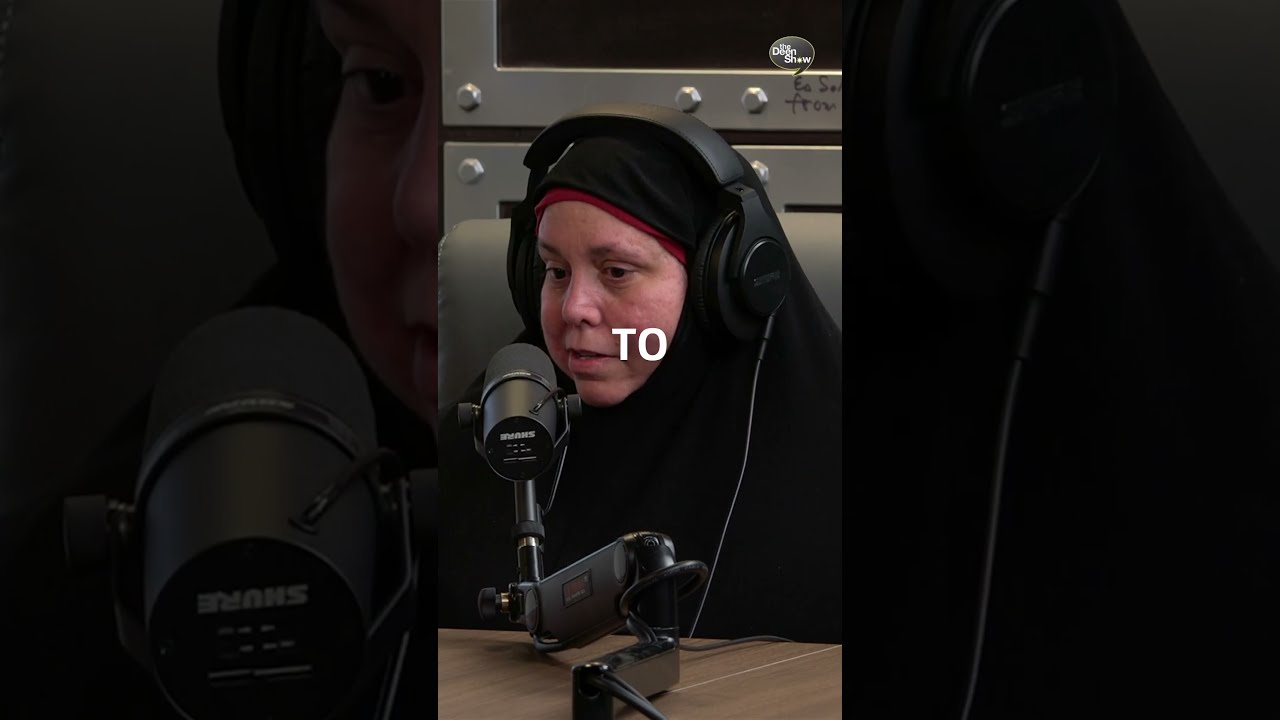
The stories gathered here are as varied as America itself, yet they share a single thread: every seeker was genuinely, earnestly looking for something real. Rafael Narbaez, raised Catholic and later a pastor with the Jehovah’s Witnesses in Texas, picked up the Quran to better understand the Bible — and found instead that it illuminated everything the Bible had left unanswered. Dr. Muhammad Eckhaus, from a Jewish family in New York, was drawn not by argument but by the character of Muslims he encountered in daily life — their generosity, humility, and the warmth they extended without condition. Sister Aisha Mustafa, editor of the Muslim Journal, approached her search methodically, comparing world religions until Islam alone stood as a complete and consistent framework for life. Poet and theater director Abdal Hayy Moore wrote about his own conversion and later learned that a stranger had taken his shahada after reading the piece — a reminder that authentic testimony carries its own power. Attorney Omar Abdur Rahman began with the controversial book The Satanic Verses, seeking the other side of the story in the Quran, and never stepped back from what he found. And Yusuf Islam — the world knew him as Cat Stevens, the 1970s rock icon — received a Quran as a birthday gift from his brother David, and within its pages found the inner peace that fame, wealth, and years of searching across multiple spiritual traditions had failed to provide. What unites all of them is captured in a single Arabic word: Talib — one who is seeking. Islam does not find the passive; it answers the sincere.
- Rafael Narbaez — Former Jehovah’s Witness pastor from a Hispanic Catholic family in Texas; read the Quran to understand the Bible and embraced Islam
- Dr. Muhammad Eckhaus — From a Jewish family in New York; moved by the humility and generosity of Muslims encountered in everyday life
- Yusuf Islam (Cat Stevens) — World-famous rock star from a Greek Orthodox background; received the Quran as a gift and found lasting spiritual peace
- Sister Aisha Mustafa — Editor of the Muslim Journal; arrived at Islam through careful, comparative study of world religions
- Br. Omar Abdur Rahman — Lawyer who first read an anti-Islamic book, then opened the Quran for balance, and became Muslim
- Abdal Hayy Moore — Poet and theater director whose written account of his own conversion led others independently to the faith
- Malcolm X — Performed Hajj in 1964 and witnessed a universal brotherhood that permanently transformed his worldview on race
“Never have I witnessed such sincere hospitality and the overwhelming spirit of true Brotherhood as it is practiced by people of all colors and races here in this ancient Holy Land… America needs to understand Islam because this is the only religion that erases from its society the race problem.” — Malcolm X, letter from Mecca, 1964
A Complete Way of Life: How Islam Provides Structure, Knowledge, and Spiritual Purpose
What draws seekers to Islam is rarely a single argument — it is the wholeness of the faith. Islam is built upon Five Pillars: the Shahada (the declaration of faith), Salat (five daily prayers), Zakat (annual purifying charity of 2.5% of accumulated wealth), Sawm (fasting throughout the month of Ramadan), and Hajj (pilgrimage to Mecca for those who are able). Each pillar is not merely a ritual but a form of transformation — and none demonstrated that transformative power more dramatically than Hajj did in the life of Malcolm X. Once the fiery spokesman for racial separation, Malcolm stood at Mecca surrounded by blue-eyed pilgrims from Europe and dark-skinned pilgrims from Africa, all in identical white cloth, all bowing before the same Lord — and the ideology of a lifetime dissolved in days. This is also why Islamic scholars like Imam Al-Ghazali emphasised that the knowledge obligatory upon every Muslim is not an academic credential but practical, lived wisdom: knowing your Creator before anything else, learning tahara and salat as the child grows, understanding zakat when wealth arrives, knowing the duties of fasting when Ramadan comes, and preparing for Hajj when one is able. It is a religion that meets the human being at every stage of life with exactly what is needed. For Sister Aisha Mustafa, that comprehensiveness was precisely the point — after years of comparison and reflection, she found in Islam not a set of restrictions but a path offering direction, content, and a clear, uncompromising concept of God: one Supreme Being over all creation, with no partners and no intermediaries.
“I was looking for something fulfilling and something stable and something that I could structure my life by… in that search I found that al-Islam gives you structure, it gives you direction, it gives you content — and it gives you what most Muslims refer to as a greater reality: a clear-cut concept of a supreme being over everything and over all creation.” — Sister Aisha Mustafa
The most enduring da’wah, these testimonies remind us, is not a debate won or a pamphlet distributed — it is a life lived with sincerity, warmth, and the unmistakable light of iman. Whether it was the joyful, gentle disposition of one Muslim woman that first softened Rafael Narbaez’s assumptions, or the universal brotherhood of Hajj that dismantled Malcolm X’s racial worldview, or the quiet, lucid depth of the Quran that brought Yusuf Islam the inner peace decades of stardom could not offer — the pattern holds. People are not argued into Islam; they are drawn to it. They notice something genuine in a Muslim’s character, they open the Quran out of curiosity or even scepticism, and they find that the message speaks directly to what they always knew in their hearts but could never name. For anyone still on that journey of seeking — still Talib, still searching — these stories are not merely inspiring accounts from the past; they are living evidence that guidance is available, that the door is open, and that the path toward Allah has always been closer than we imagined.