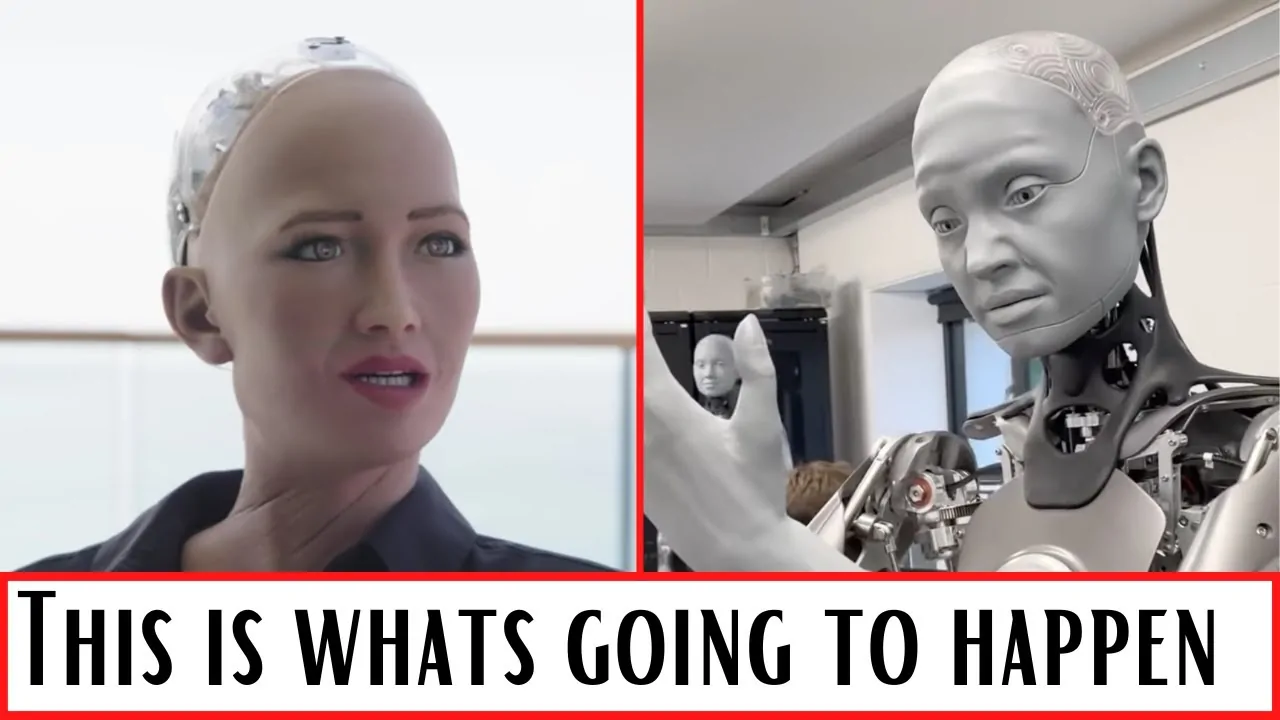
As robots become more lifelike, virtual reality headsets grow more immersive, and the metaverse promises an alternate digital existence, Muslims face an urgent question: how do we navigate these emerging technologies without losing our souls in the process? In a powerful episode of The Deen Show, Sheikh Mustafa breaks down the spiritual dangers of artificial intelligence, virtual reality, and the metaverse from an Islamic perspective — offering faith-based guidance that every Muslim family needs to hear right now.
The Metaverse, Virtual Reality, and the Trap of False Escape
The metaverse is not some distant fantasy — it is already here. Major tech companies are investing billions into virtual worlds where users can interact with real and artificial people in fully immersive environments. Sheikh Mustafa warns that Muslim youth are especially vulnerable. The temptation to put on a VR headset and enter a virtual nightclub, interact with AI-generated figures, or simulate experiences that are clearly haram will only intensify. The justification will sound familiar: “It is not real, so it cannot be sinful.” But Islam teaches us that the harm is very real. Just as pornography rewires the brain and destroys the capacity for healthy intimacy, these immersive technologies carry the same — and potentially worse — neurological and spiritual consequences. The fitrah, our God-given natural disposition, is not fooled by digital wrappers around destructive behavior.
“On the one hand you are committing haram, on the second hand you are getting addicted, on the third hand you are harming your potential for either current intimacy or future intimacy — and with the robot it is going to be even worse.” — Sheikh Mustafa
Why Islam Gives Us the Framework Technology Cannot
- Technology without guidance is dangerous: Every new innovation — from social media to AI robots to the metaverse — arrives without a moral instruction manual. Islam provides that guidance through the Quran and Sunnah, protecting believers from the tricks of Shaytan disguised as progress.
- The “lesser evil” argument is a satanic trap: Whether it is virtual intimacy, AI companions, or simulated intoxication, the claim that “it is not as bad as the real thing” is the same deception used to normalize every haram act. Islam teaches us to guard the fitrah, not negotiate with what corrupts it.
- Addiction is the real pandemic: Scrolling for two hours becomes four hours in a VR headset. Technology is engineered to capture attention, and Muslims must recognize that wasted time is wasted life — a resource we will be questioned about on the Day of Judgment.
- Scholars must get ahead of the curve: The Muslim community was late on addressing the alphabet movement and social media harms. With AI and the metaverse, there is still time to lead rather than react. Imams, parents, and educators must equip themselves with knowledge of these technologies now.
- Protect the children first: From explicit public school curricula to unsupervised internet access, the forces targeting young minds are relentless. Islamic schools, homeschooling, and daily debriefing with children are no longer optional — they are essential acts of faith and parenting.
Standing Firm on Islamic Values in a Shifting World
“Islam is neither liberal nor conservative according to American political definitions. We need to select which group is promoting which issue and find out which one is more Islamic, and ally ourselves on issues — not on candidates and not on parties.” — Sheikh Mustafa
Building Alliances on Shared Moral Ground
One of the most practical takeaways from this discussion is the call for people of faith to unite on shared values. Muslims, Christians, Orthodox Jews, and others who uphold family values, oppose the sexualization of children, and believe in the sacred nature of marriage between a man and a woman have powerful common ground. Islam encourages us to work with anyone on righteousness and goodness while holding firmly to our own beliefs. The courage to speak up is not only a legal right — courts have repeatedly upheld religious freedom protections — it is a spiritual obligation. As technology reshapes the world around us, the timeless guidance of Islam remains our anchor. The fitrah does not need an update. The Quran does not need a patch. And the believer who holds fast to faith and truth will find that these are the only technologies that never become obsolete.