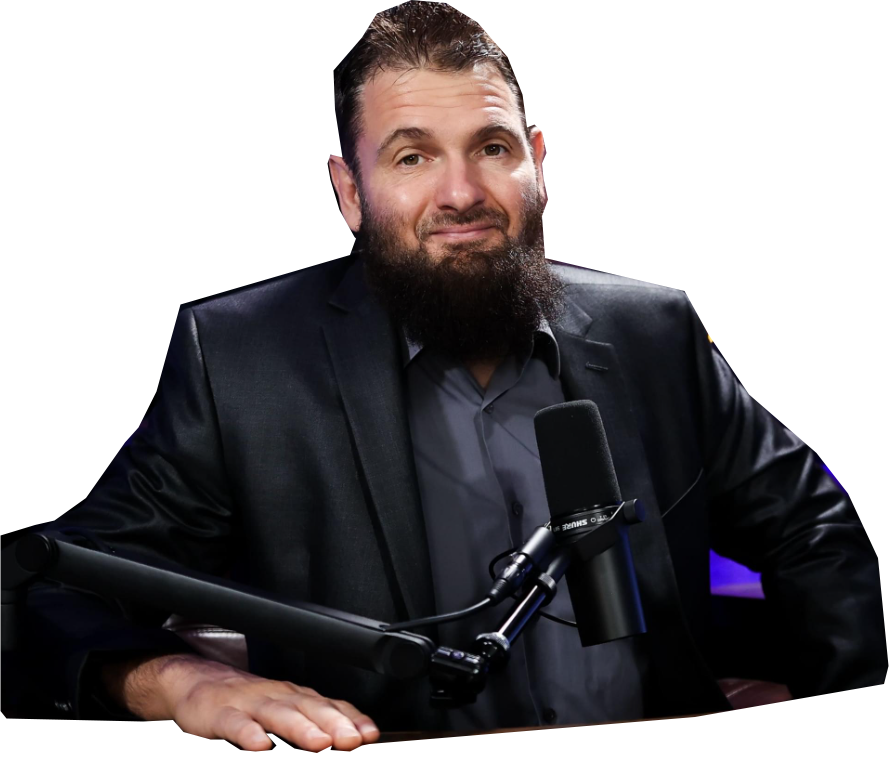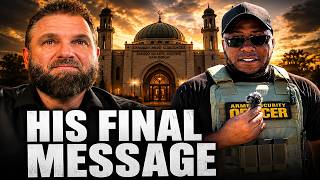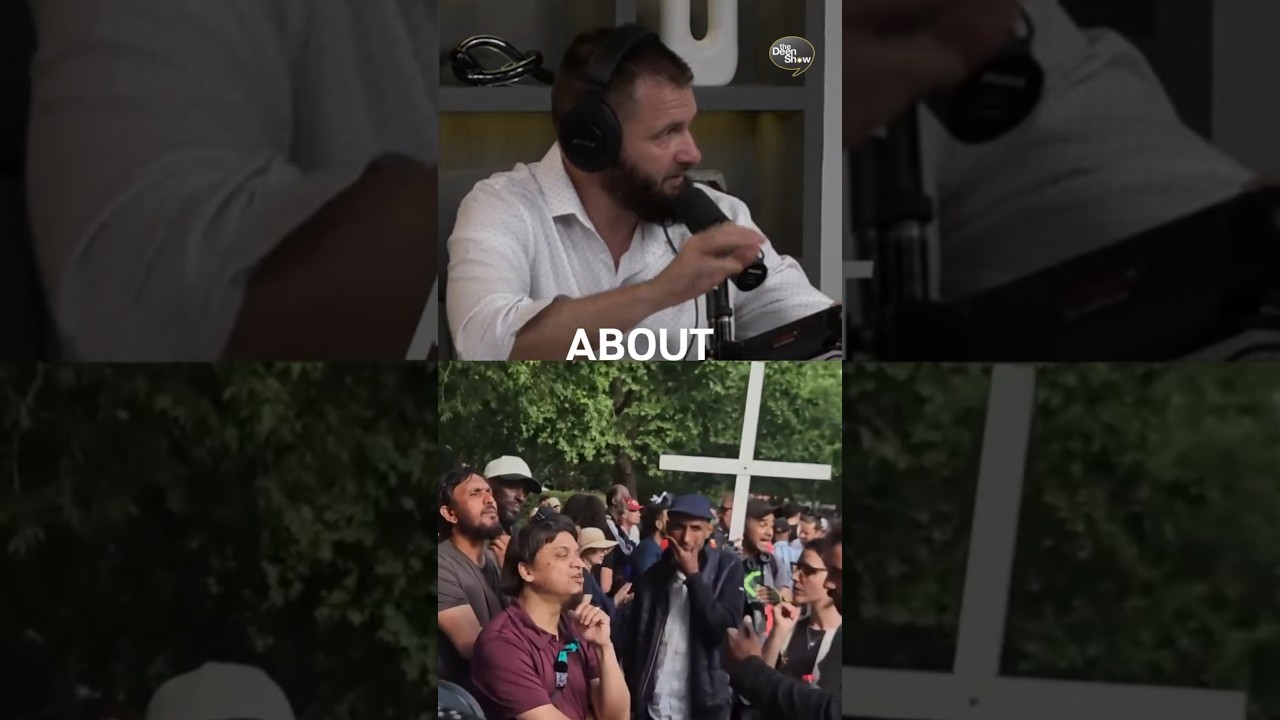
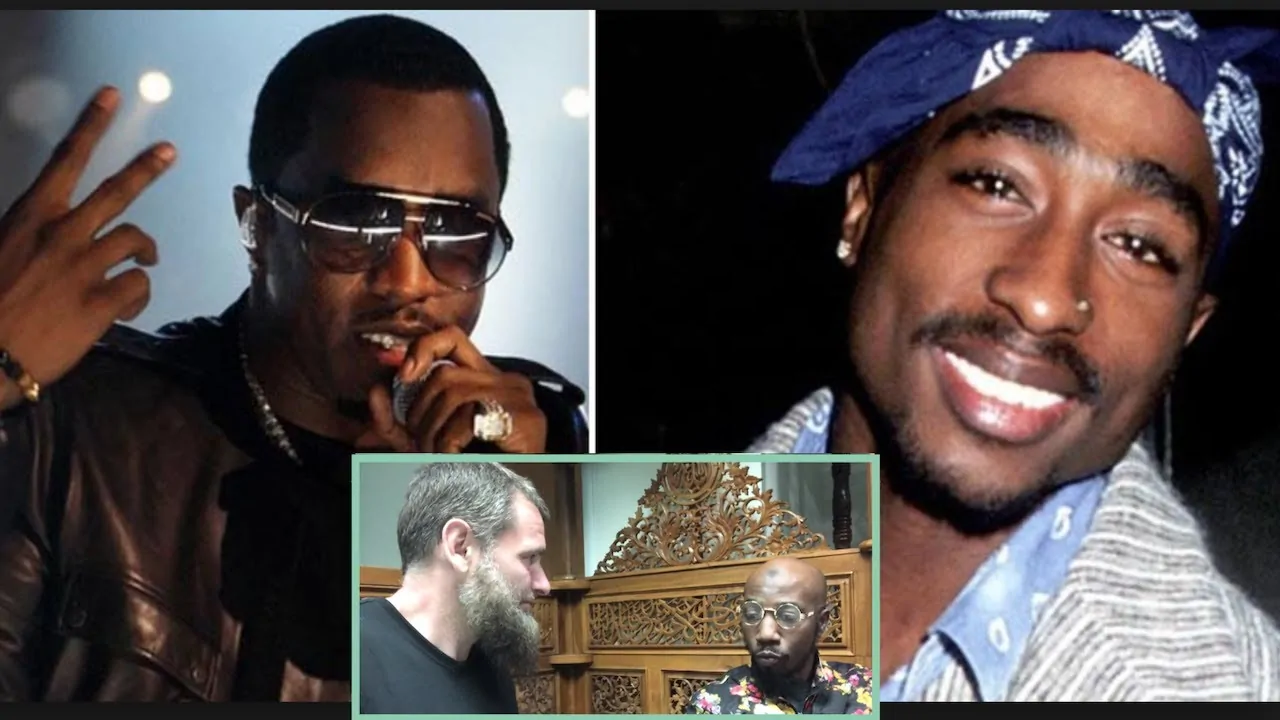
Few stories carry the weight of witnessing hip-hop royalty up close and then walking away from it all in pursuit of something greater. In this powerful episode of The Deen Show, Mutah Beale — known to the world as Napoleon from Tupac Shakur’s legendary group The Outlaws — sits down to share the raw, unfiltered truth about his life inside the music industry and the divine signs that led him to embrace Islam. His journey from the heights of rap fame to the peace of the prayer mat is a testament to the transformative power of faith, purpose, and redemption.
Growing Up in Tupac’s Inner Circle
At just fifteen years old, Mutah found himself in the orbit of one of the most influential figures in music history. Through personal connections — his friend’s father, Big Syke, was one of Tupac’s closest collaborators — the young man went from a nervous teenager to a member of The Outlaws, a group that would go on to sell tens of millions of records. The allure was undeniable: fame, money, women, and the validation that every young person in the hip-hop world craved. But as Mutah himself warns, “the dream also turns into a nightmare.” The glamour of the industry masked a spiritual emptiness that no amount of success could fill.
“It’s funny because Napoleon actually tried to talk to me about Islam a few times and I rejected it, like a lot of people. And I remind myself to this day — when we give dawah, we have to be patient.”
The Signs That Changed Everything
Mutah’s path to Islam was not born from tragedy in the conventional sense — he did not go to prison, nor was he shot. Instead, Allah chose him through unmistakable signs. During Ramadan of 2004, on his own birthday, he witnessed a crescent moon beside a star with breathtaking clarity. Hours later, a case of mistaken identity landed him in jail for ten hours over a simple traffic ticket. Sitting in that cell, the vision returned, and the pieces fell into place. Upon his release, he went straight to the library, picked up the Quran, and found the names he already knew — Jesus, Moses, Noah, Adam — all honored within its pages. Within two months, he declared the Shahada and began his new life as a Muslim.
“A true Christian, when he hears the words of his Lord, he would know that this Quran is from his Maker. If you’re really Christian and you believe, you will believe in the Quran.”
Why Islam Succeeds Where the Industry Fails
- Structure and purpose: Unlike the chaos of the music world, Islam provides a daily blueprint — five prayers, community at the masjid, and clear guidance on how to live with intention.
- Honest self-improvement: Mutah emphasizes that you do not have to be perfect to be Muslim. Mistakes are part of the human condition, and Allah’s mercy is always available to those who sincerely turn back.
- Roots and identity: For African Americans especially, Islam reconnects them to a heritage that predates the entertainment industry — the same faith of Malcolm X, Muhammad Ali, and Kunta Kinte.
- Freedom from materialism: The hip-hop world revolves around money, but as Mutah points out, Tupac had it all and still died. Biggie had it all and still died. The only wealth that matters is what benefits you in the grave.
- Family transformation: Perhaps Mutah’s greatest testimony is that his own mother, who once resisted and argued with him, eventually accepted Islam herself.
A Message for Those Still Searching
Mutah’s advice is disarmingly simple and profoundly urgent: hold on to your prayer above all else, remember that death is coming for every single one of us, and ask the One who created the sun, the moon, and every soul to guide you to the truth. If people who lived at the very top of the hip-hop world — surrounded by fame, fortune, and every distraction imaginable — found their way to Islam and discovered real peace, then the door is open for anyone willing to knock. The homework is straightforward: ask God sincerely, pick up the Quran, and let the evidence speak for itself.