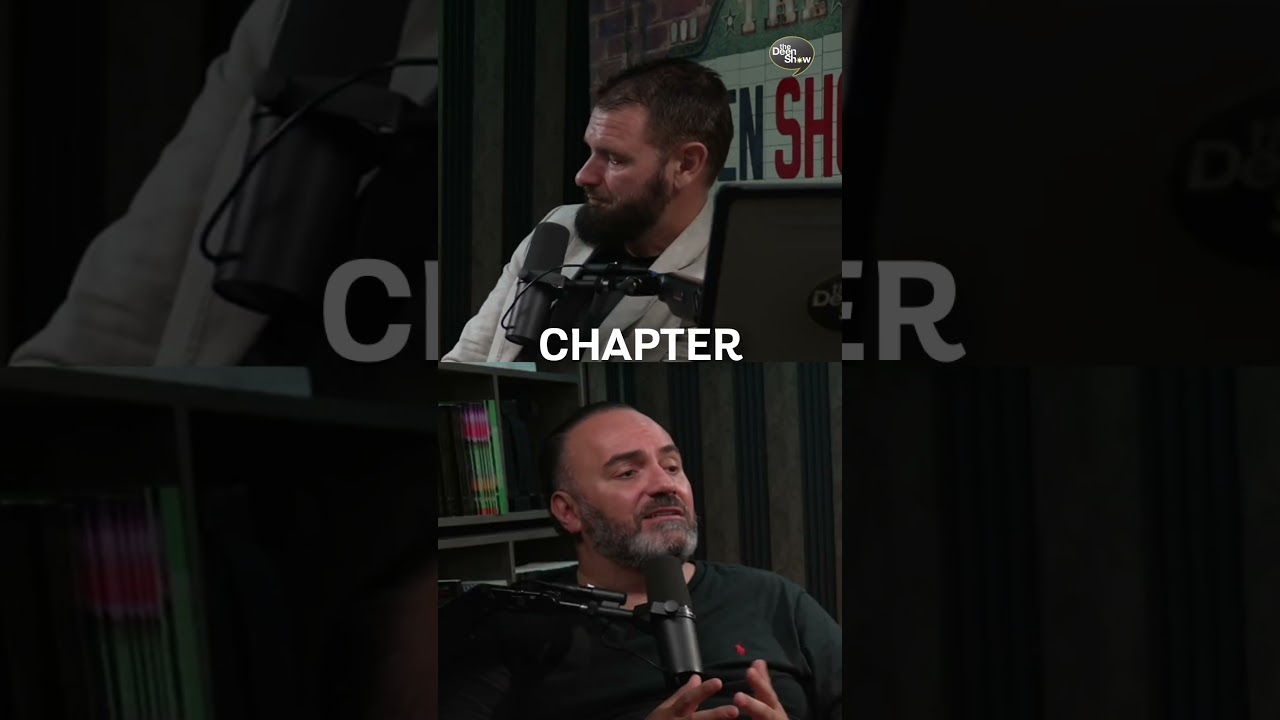
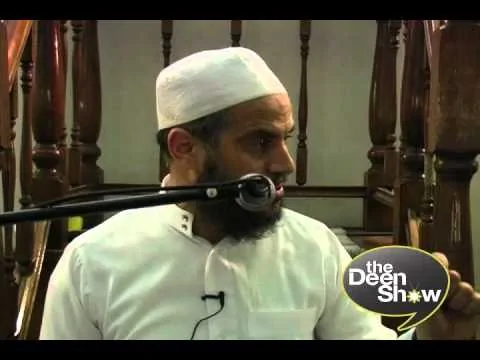
Death is not a distant concept reserved for the elderly or the ill — it is the one appointment every soul will keep, without exception and without delay. In this deeply moving episode of The Deen Show, Sheikh Ibrahim Dremali — an Al-Azhar University graduate in Sharia and Comparative Fiqh, professor at the American Open University, member of the Assembly of Muslim Jurists in America (AMJA), and an Imam with over twenty years of service across the United States — delivers a searingly honest reminder about the inevitability of death, the illusions of worldly life, and the urgent spiritual work required before the hour arrives. Speaking with the authority of a scholar who has stood at countless bedsides and led countless funeral prayers, and drawing on the quiet courage of a man battling serious illness himself, Sheikh Ibrahim weaves together Quranic wisdom, prophetic narrations, and lived testimony to issue a call that cuts through the noise of modern life: be ready.
What the Soul Whispers at the Funeral: The Deception of This World Laid Bare
One of the most arresting images Sheikh Ibrahim shares is drawn from Islamic tradition — the soul hovering over its own funeral procession, watching those it loved go through the motions of grief, while speaking a warning they can no longer hear. We collect and we accumulate, we plan and we postpone, and then in an instant the ledger closes. Sheikh Ibrahim reminds us that on the Day of Resurrection, the people of injustice may arrive with good deeds as great as mountains, only to find them stripped away and handed to those they wronged in this life — while wealth gathered through lawful and unlawful means passes to inheritors who had no part in the earning and no share in the reckoning. The Quran is unambiguous: Allah, the Ever-Living who does not die, is the only constant; everything else returns to dust. This is not pessimism — it is the bedrock of Islamic spirituality, the lens through which a believer evaluates every choice and every hour spent in this brief passage. The antidote, Sheikh Ibrahim teaches, is Taqwa — God-consciousness — which Allah promises in Surah At-Talaq (65:2–3) will open a way out from every hardship and provide sustenance from sources one could never anticipate. The guidance of Islam is not merely theoretical; it is a practical roadmap for a soul navigating the most consequential journey it will ever take.
“O my children, O my beloved — do not let the world play with you as it played with us. I collected money lawfully and unlawfully, and I left it for you to enjoy. The money is yours, and the reckoning is upon us.”
— The voice of the soul, as it speaks at its own funeral in the Islamic tradition
- Death is certain and near — every moment of delay in spiritual preparation carries real consequence; the grave does not negotiate
- Wealth and status do not transfer — the account does — every right violated and every dirham earned unjustly will be settled in deeds on the Day of Resurrection
- Taqwa is the practical solution — Surah At-Talaq links fear of Allah directly to divine provision and a way out of every difficulty
- The prophets are our models of faith under pressure — Ibrahim (AS) cast into the fire, Yunus (AS) in the belly of the whale crying La ilaha illa anta subhanaka inni kuntu minaz-zalimin, Musa (AS) born into mortal danger — each was saved through complete surrender to Allah
- No word goes unrecorded — the Quran reminds us that every utterance has an observer; our private account is being kept with infinite precision
- Today is preparation for tomorrow — the Islamic framework of purpose demands that every present moment be invested in what endures beyond it
Tawakkul: When You Surrender the Outcome Entirely to Allah
Sheikh Ibrahim’s teaching on tawakkul — complete reliance upon Allah — is not abstract theology; it is lived testimony. He recounts the famous moment of Abu Bakr al-Siddiq (may Allah be pleased with him) huddled with the Prophet ﷺ in a small cave during the Hijra, surrounded by enemies close enough to look down and discover them. Abu Bakr whispered in dread: “O Messenger of Allah, if one of them looked at his feet, he would see me.” The Prophet ﷺ answered with absolute stillness: “O Abu Bakr, do not be sad — Allah is with us.” That is tawakkul — not passivity, but active, bone-deep faith that dismantles fear. Sheikh Ibrahim also draws from the hadith about birds, which leave their nests at dawn with empty stomachs and return full, because Allah, the Provider, does not abandon His creation. He weaves in the story of Imam Malik in Makkah — a righteous man raising his hands to the sky and crying: “O Lord, O You who provides for the black ant in the dark night on the deaf hill — send me food.” The provision came, as it always does for the one who calls in sincerity. These are not fairy tales; they are the architecture of Islamic faith. And then, with a vulnerability that silences any room, Sheikh Ibrahim speaks of his own battle: a virus discovered at its final stage, chemotherapy, the bone-deep exhaustion that follows — and yet, he says, the hundreds of emails pouring in from Muslims around the world made him forget the pain entirely. He recalls Surah Al-Imran: You are the best nation produced for mankind. That is Islam — a community that carries one another toward Allah, whose love is itself a form of divine mercy.
“Hasbiyallahu wa ni’mal wakeel — Allah is sufficient for me, and He is the best disposer of affairs.”
— The supplication of Ibrahim (AS) as he was cast into the fire; the supplication of every believer who has surrendered the outcome to Allah
The closing message of this episode is both simple and transformative: today is preparation for tomorrow, and not a single second of it is guaranteed. Sheikh Ibrahim uses the parable of a man who wakes up and chooses, in one decisive moment, to become a new person — to open the Quran, to take the first step of one chapter, to say to himself from today I begin — and from that single intention, his entire future shifts. The Islamic tradition does not ask for perfection; it asks for sincerity and a beginning. This world, as the Prophet ﷺ described it, is like a traveller resting for a moment beneath a tree — a brief shade before the journey continues toward what is permanent. Sheikh Ibrahim Dremali’s life, his scholarship, his illness, and his unshakeable iman together form a living sermon that no lecture hall or conference platform could have scripted: do not wait for the right moment, the right health, or the right circumstances. The grave does not negotiate, and the soul does not receive a second audience with its own funeral. Return to Allah now, fix your life now, and trust — with the certainty of Ibrahim in the fire and Yunus in the darkness — that He who provides for the black ant in the dead of night will never abandon the heart that sincerely calls upon Him.