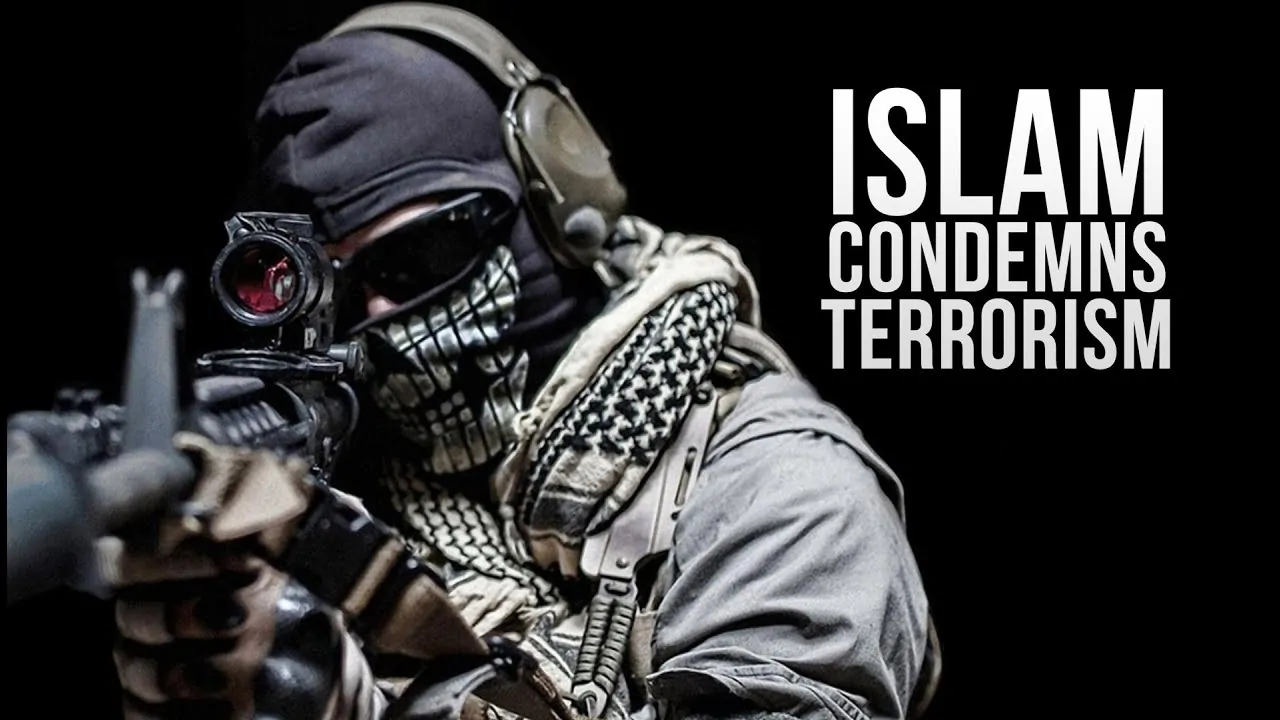
When the Sydney siege and the massacre of more than a hundred schoolchildren in Peshawar, Pakistan shocked the world, Muslims everywhere were confronted with a devastating question: what version of Islam do these perpetrators believe they are following? The answer, grounded in the Quran and the authentic Sunnah of the Prophet Muhammad ﷺ, is unequivocal — their actions bear no relationship to Islam whatsoever. As a faith rooted in the divine name as-Salaam — the Source of Peace, one of the names of Allah ﷻ Himself — Islam’s guidance on the protection of life, the dignity of non-combatants, and the absolute prohibition of oppression stands in total opposition to terrorism, hostage-taking, or the slaughter of innocent children. Understanding this distinction is not merely a matter of interfaith relations; it is a matter of Islamic obligation.
What Islam Truly Teaches About the Sanctity of Human Life
From the conquest of Makkah — where the Prophet ﷺ commanded that those who laid down their weapons be left unharmed — to the Quranic declaration that killing one innocent person is as grave as killing all of humanity, Islam’s position on violence against non-combatants is explicit and unambiguous. Those who harm women, children, the elderly, worshippers in their places of worship, aid workers, or people simply going about their lives are not following Islam — they are betraying it. The Prophet ﷺ specifically prohibited the destruction of trees, infrastructure, and civilian property during military engagement, making clear that even the environment carries rights in Islam. Frustration over injustices in Muslim lands, however real and deeply felt, grants no individual the religious authority to punish uninvolved third parties. Grievances must be addressed through legitimate channels — the courts, advocacy, and the firm conviction that Allah ﷻ, the Most Just of all judges, will settle every account on the Day of Judgment.
- Killing non-combatants is categorically forbidden — women, children, the elderly, and those who pose no military threat are explicitly protected under Islamic law and prophetic instruction.
- Hostage-taking of innocent people has no Quranic or Hadith basis — targeting someone purely for their nationality while they are uninvolved in any conflict is un-Islamic by every measure of jurisprudence.
- Destroying infrastructure and the environment is prohibited — the Prophet ﷺ issued specific prohibitions against burning trees and harming civilian property, even in legitimate defensive warfare.
- Two wrongs never make a right — even if Muslims are suffering oppression elsewhere, retaliating against uninvolved civilians constitutes a separate, independent sin that cannot be justified.
- Justice must be sought through proper channels — legal recourse, peaceful advocacy, and supplication to Allah ﷻ; personal or collective vengeance against innocents is not sanctioned anywhere in the Islamic tradition.
“Because of that We ordained for the Children of Israel that if anyone killed a person not in retaliation of murder, or to spread mischief in the land — it would be as if he killed all mankind, and if anyone saved a life, it would be as if he saved the life of all mankind.” — [al-Maa’idah 5:32]
Brainwashing and the Misreading of Sacred Texts
A significant driver of radicalisation is a profound lack of religious literacy. Young Muslims encounter isolated Quranic verses stripped of their asbab an-nuzul — the reasons and context of revelation — without the scholarly methodology required to derive rulings from sacred texts. Without this foundation, a manipulative recruiter needs only a handful of misquoted verses to convince a grieving, frustrated believer that violence is sanctioned, even noble. But this is precisely where the prophetic example is most instructive. When the Prophet ﷺ was physically beaten and left bleeding at Ta’if, the angels came offering to crush his tormentors between the mountains. He refused. He made du’a for their children, praying that future generations would accept Islam — and they did. That restraint, that mercy rooted in long-term spiritual vision, is the Sunnah. It produced victories that force could never achieve. When Muslims regard every non-Muslim as an enemy, they not only violate the prophetic spirit of mercy — they destroy their own capacity for da’wah, handing those who wish to malign Islam its most effective propaganda.
“Invite to the Way of your Lord with wisdom and fair preaching, and argue with them in a way that is better. And if you punish, then punish with the like of that with which you were afflicted. But if you endure patiently, verily it is better for those who are patient.” — [an-Nahl 16:125–126]
Islam Is Peace — Lived, Not Just Proclaimed
Islam does not merely assert peace as a rhetorical slogan — it enshrines peace as its very identity, its spiritual purpose, and its ultimate promise. Muslims across centuries have lived alongside Jews, Christians, Hindus, and people of no faith in neighbourly trade, shared civic life, and mutual respect, guided by the Quranic instruction to deal justly even with those who differ from them in faith. The moment a Muslim begins to see every non-Muslim as an adversary, they have not only abandoned the prophetic character of mercy — they have surrendered the very possibility of sharing the beauty of this deen with the world. Allah ﷻ named His religion after peace, called Himself as-Salaam, and made the eternal reward — Jannah — a place of perfect, unending tranquillity. Any ideology that produces the murder of children, the terrorising of innocents, or the destruction of communities is not an expression of Islam; it is its antithesis. Muslims condemn terrorism not out of political pressure or apologetics, but because our faith demands it, our Prophet ﷺ embodied it, and our shared humanity requires it — and in that clarity of conviction lies both our spiritual integrity and our most powerful form of da’wah to a world that is watching.