
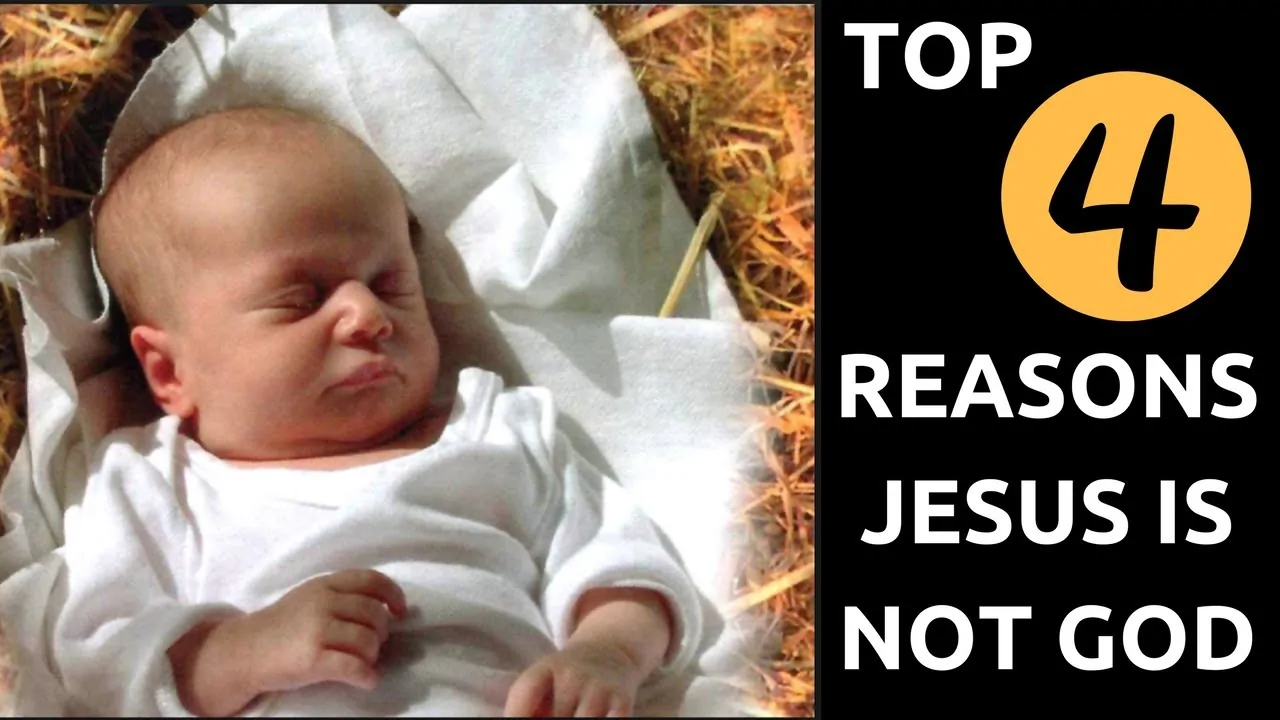
Few questions in the history of religion have sparked more sincere reflection and searching than this: Is Jesus God? For Muslims, the answer is clear — and rooted in deep reverence, not rejection. Islam holds Jesus (peace be upon him) as one of the mightiest prophets ever sent to humanity: a man born of a miraculous virgin birth, gifted with extraordinary signs, and destined to return before the Day of Judgement. Yet Islam firmly maintains that he was not God, nor part of a trinity. What makes this question so compelling is that the evidence for the Islamic position does not come from the Quran alone — it comes straight from the Bible itself, from the recorded words of Jesus, and from the testimony of his own disciples. To claim Jesus was God is not merely a theological assertion — it is, upon examination of scripture, a position that Jesus himself consistently and clearly contradicted.
What the Bible Itself Reveals About the Nature of Jesus
When we turn to the Bible with clear eyes, free from tradition and theological pressure, a consistent picture emerges: Jesus exhibited the qualities of a human being and a servant of God — not the attributes of God Himself. The Bible states plainly in Numbers 23:19 that “God is not a man,” yet Jesus is called “a man” throughout the New Testament (Acts 2:22, Acts 17:31, 1 Timothy 2:5). God cannot be tempted (James 1:13), yet Jesus was “tempted in every way just as we are” (Hebrews 4:15). God is immortal and cannot die, yet the Bible records that Jesus died. God is all-knowing, yet Jesus said of the Last Hour: “No one knows about that day or hour, not even the angels in heaven, nor the son, but only the Father” (Mark 13:32). These are not minor inconsistencies — they are foundational contradictions to any claim of divinity. Among the clearest biblical points that distinguish Jesus from God are:
- God is not a man — Numbers 23:19 states this plainly, and Jesus is referred to as “a man” dozens of times in Scripture.
- Jesus prayed to God — He fell on his face in prayer (Matthew 26:39), spending entire nights in supplication to One above him. No God prays to another God.
- Jesus had limited knowledge — He did not know the Hour (Mark 13:32), incompatible with God’s infinite and all-encompassing knowledge.
- Jesus was strengthened by angels — Luke 22:43 records an angel appearing to strengthen him. God, who is All-Powerful, has no need to be strengthened by His own creation.
- Jesus was subordinate to God — “My Father is greater than I” (John 14:28); “the head of Christ is God” (1 Corinthians 11:3).
- Jesus’s miracles came through God — Acts 2:22 clarifies that the signs were performed “through him” by God’s power — not from any divine power of his own.
- Jesus was God’s servant — Peter, his closest disciple, called him “his servant Jesus” (Acts 3:13). This title cannot apply to God Himself.
- Jesus denied being equal to God — When accused of making himself God or equal with God, he denied it directly (John 5:19, 30; John 10:34–36).
“My Father is greater than I.” — Jesus (John 14:28) | “God has made this Jesus… both Lord and Christ.” — Acts 2:36. If Jesus were God by nature, he could not have been made Lord — that title would already be his.
Jesus Himself Called to the Worship of God Alone
The most decisive evidence is not what later theologians argued about Jesus, but what Jesus himself said and did during his lifetime. He never instructed his followers to worship him. When he taught his disciples how to pray, he said: “When you pray, say: Our Father which art in heaven” (Luke 11:2) — directing all devotion upward to God, not to himself. When someone began worshipping him, the recorded response was one of clear disapproval: “In vain do they worship me” (Matthew 15:9). When a man called him “good,” Jesus immediately redirected: “Why do you call me good? No one is good except God alone” (Luke 18:19). And when he prayed himself — falling upon his face in tears and petitions, crying out to be saved from death — he was not praying to himself. He was praying to the One above him. The Quran, whose preservation from alteration is itself a matter of deep faith for Muslims, captures what Jesus truly proclaimed with unmistakable clarity:
“Truly, God is my Lord and your Lord, so worship Him (alone). This is the straight path.” — Jesus, as recorded in the Quran (3:51)
The Islamic View: Honouring Jesus as the Beloved Prophet He Was
Islam does not diminish Jesus (peace be upon him) — it honours him as he himself wished to be honoured. The Quran affirms his miraculous birth to the Virgin Mary (peace be upon her), his status as the Messiah (Al-Masih), his extraordinary spiritual guidance, and the miracles he performed by Allah’s permission. What Islam refuses is the elevation of a human prophet, however great, to the rank of the Divine — because to deify a creation is to do an injustice both to God and to the prophet himself. The very word Islam means submission to the will of God, and that is precisely what the life of Jesus embodied. He submitted, he prayed, he obeyed, he served — every act pointing upward, toward One incomparably greater than himself. This is a figure worthy of immense love and honour, which is exactly why Muslims who follow the path of faith hold him so dear. The question of whether Jesus is God is not merely a matter of academic theology; it lies at the very heart of spirituality, purpose, and how each of us understands our relationship with our Creator. When we set aside layers of tradition and return to the clearest verses of both the Bible and the Quran, we find a consistent and beautiful truth: there is One God, infinite and eternal, and Jesus — peace and blessings be upon him — was His chosen, beloved servant and messenger, sent as a sign of divine mercy and guidance to all of humanity.