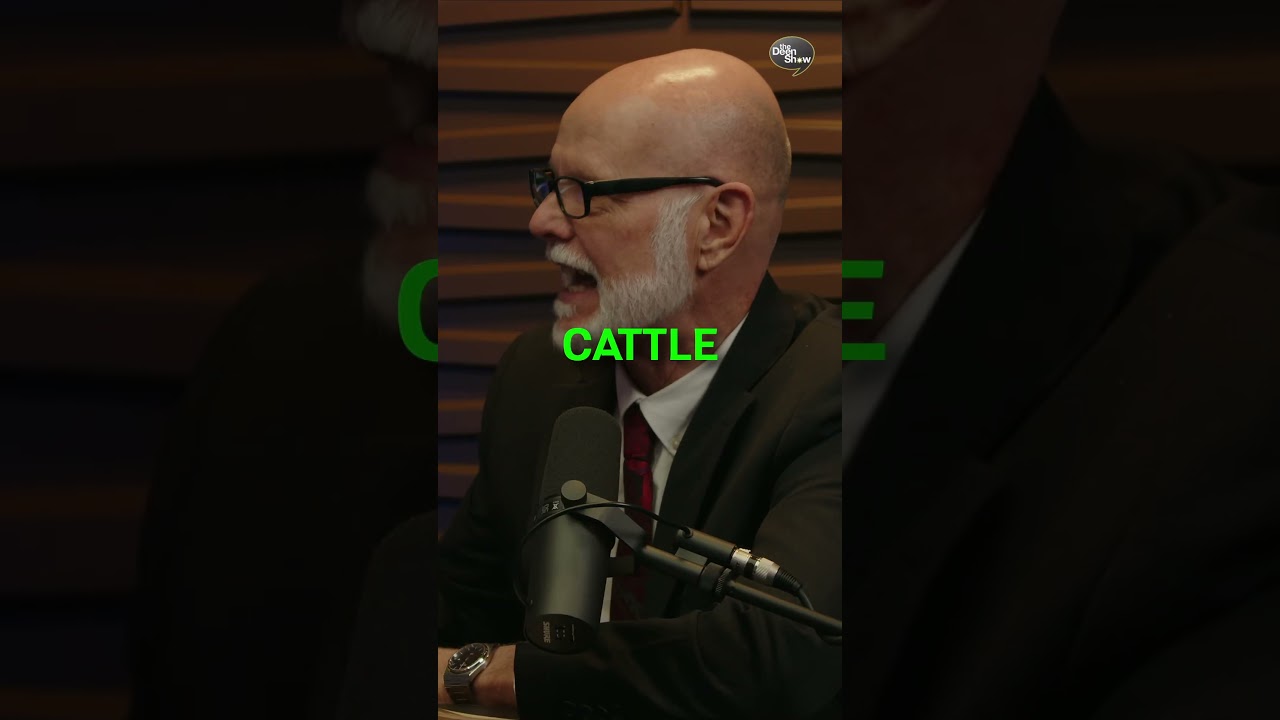

Imam Sultan, a young Islamic scholar who memorized the entire Quran by age 11 and completed both the Alim and Mufti programs by 19, shares how questioning the existence of heaven and hell at age five ultimately led him deeper into Islam rather than away from it. His journey proves that when Islam is given an adequate chance to explain itself through open-minded and welcoming mentors, it provides conclusive answers to the deepest existential questions.
When a Child Questions Heaven and Hell
At just five or six years old, Sultan began wondering whether heaven and hell truly existed. These thoughts made him intellectually disengaged from his faith for years. The turning point came when he was sent to an Islamic school by choice at age nine. Unlike the rigid imams who would have dismissed his questions as blasphemous, the people around him were open, welcoming, and relatable — young scholars who gave Friday sermons one day and played basketball the next.
“The standard answer from most imams for a person that young asking ‘is there even a God?’ would be: ‘go back, don’t ask such blasphemous questions.’ But alhamdulillah the people around me were a lot more open and welcoming. They explained it in a way that made sense. I saw that religious people can be cool.”
The More You Study Islam, the Stronger Your Faith Grows
Unlike many who studied Christianity or other faiths academically and found contradictions that drove them away, Imam Sultan found that the deeper he went into Islamic studies, the more his iman increased. Islam provided answers that no philosophy course at any university could offer. Without the belief that there is a Day of Judgment and ultimate justice, the trauma and suffering in this world would be meaningless — the oppressed would simply become “buffet for the worms” with no hope of accountability.
“If I didn’t believe we were going to be raised and there’s going to be justice, then what hope is there in living? Islam is a very conclusive and consistent answer — a layer of solace to the intellectually curious about the reality of life.”
Lessons for Parents and Communities
- Children who question their faith should be met with patience and openness, not rigid dismissal — Sultan’s doubts at age five ultimately strengthened his deen
- The external appearance of religiosity means nothing if the heart is disconnected — Islam calls people to understand the meaning behind every act of worship
- Telling someone “Allah knows my heart” to justify ignoring divine commandments is a weak excuse — if those commandments were unimportant, Allah would not have legislated them
- Islam gives people the tools to manage the tests of life, providing purpose, hope, and the certainty that ultimate justice will prevail