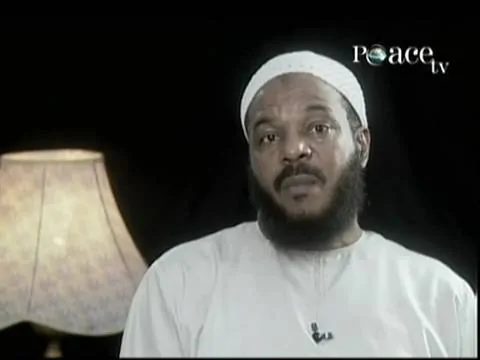
In a world where the terms “jihad” and “terrorism” are carelessly mixed together by media outlets, understanding the clear Islamic distinction between the two has never been more important. Dr. Bilal Philips addresses some of the most common questions non-Muslims ask about Islam, offering clarity on topics ranging from jihad and media representation to Islamic economics and the ethical foundations of trade in Islam.
Jihad vs. Terrorism: Setting the Record Straight
Jihad in Islam is a struggle against evil — whether within oneself, one’s family, one’s community, or between nations. It may involve writing, speaking, or in some cases, the use of arms in a just cause for the sake of Allah. Terrorism, on the other hand, involves the deliberate killing of innocent people, including women and children, to terrorize a society. Islam does not condone terrorism under any label. There are no “holy wars” in Islam — only just and unjust struggles, and only struggles undertaken sincerely for the sake of Allah can be called jihad.
“One man’s terrorist is another man’s freedom fighter. If we use the definitions of terrorism put out by certain governments, it would include the American Revolution and the French Revolution.” — Dr. Bilal Philips, highlighting the hypocrisy in how terrorism is selectively defined.
The Need for Independent Muslim Media
As long as the narrative about Islam is controlled by non-Muslim media outlets, Muslims will remain subject to misrepresentation and distortion. The solution lies in developing independent Muslim media channels that can accurately present the teachings, aspirations, and causes of the Muslim community. This effort should have begun decades ago, and every Muslim has a responsibility to actively support and contribute to such initiatives.
“Our future, our cause, and our existence to a large degree depends on being able to accurately present the picture of Islam, its teachings, and its aspirations.” — Dr. Bilal Philips on the urgent need for Muslim media representation.
Islamic Ethics in Trade and Business
- Islam prohibits deception in business — sellers must disclose defects in their products rather than hiding them for profit
- Muslim traders in Indonesia and West Africa won converts to Islam simply by being honest in their business dealings
- Islam prevents hoarding to artificially raise prices and protects the interests of the wider society over individual profit
- The Islamic economic model prioritizes giving the best product to people, rather than the worst product at the highest price
Islam provides comprehensive guidance for every aspect of human life — from spiritual worship to economic dealings, from personal conduct to international relations. When Muslims live by these principles with sincerity and integrity, Islam speaks for itself through their character, and no amount of media distortion can silence the truth.