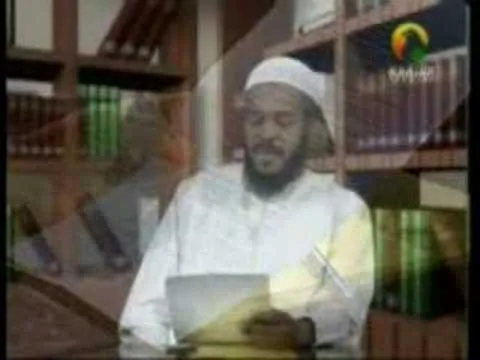
In this Q&A episode of “In the Light of Islam,” Sheikh Bilal Philips tackles some of the most frequently asked and sensitive questions about Islamic rulings — from female circumcision and slavery to music, birth control, and the relationship between hijab and prayer. Each answer is grounded in authentic Islamic sources, providing clarity on issues that are often misunderstood.
Separating Cultural Practices from Islamic Teaching
One of the most misunderstood topics is female circumcision. The extreme genital mutilation practiced in parts of Africa — which causes severe harm and even death — is completely prohibited in Islam. While the Prophet (peace be upon him) permitted a very limited form that causes no harm comparable to male circumcision, the brutal practices seen in some countries are pre-Islamic cultural corruptions that directly violate Islamic principles of preserving health and well-being.
“The extreme practice of female genital mutilation in East Africa and Egypt is something inherited from pre-Islamic times. Islam prohibits it because of the clear harm it causes — it is 100% opposed to it.”
Key Rulings Explained
- Slavery in Islam: Islam did not invent slavery but regulated and systematically worked to eliminate it — through zakat distribution for freeing slaves, the right of self-purchase (mukataba), and strict protections for the enslaved
- Music: The voice accompanied by a hand drum (duff) is permissible during celebrations, but modern music that promotes corruption and distracts from worship falls outside Islamic guidelines
- Birth control: Conception prevention is permissible if it does not harm the body, but the general Islamic encouragement is toward having children and building a strong ummah
- Hijab without prayer: Wearing hijab to please people rather than Allah, while neglecting prayer, is a form of hypocrisy that Islam strongly warns against
“If a person covers themselves not because they are doing it to please Allah but to please people, then it becomes a form of showing off — and its consequences are very serious.”
Learning the Balance
These questions highlight a common theme: the importance of understanding Islam through its authentic sources rather than through cultural assumptions or incomplete information. Whether the topic is social justice, personal worship, or family planning, Islam provides balanced, compassionate guidance that protects human dignity while holding believers accountable to their Creator.