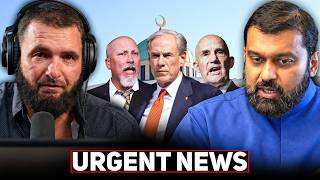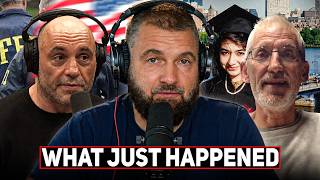
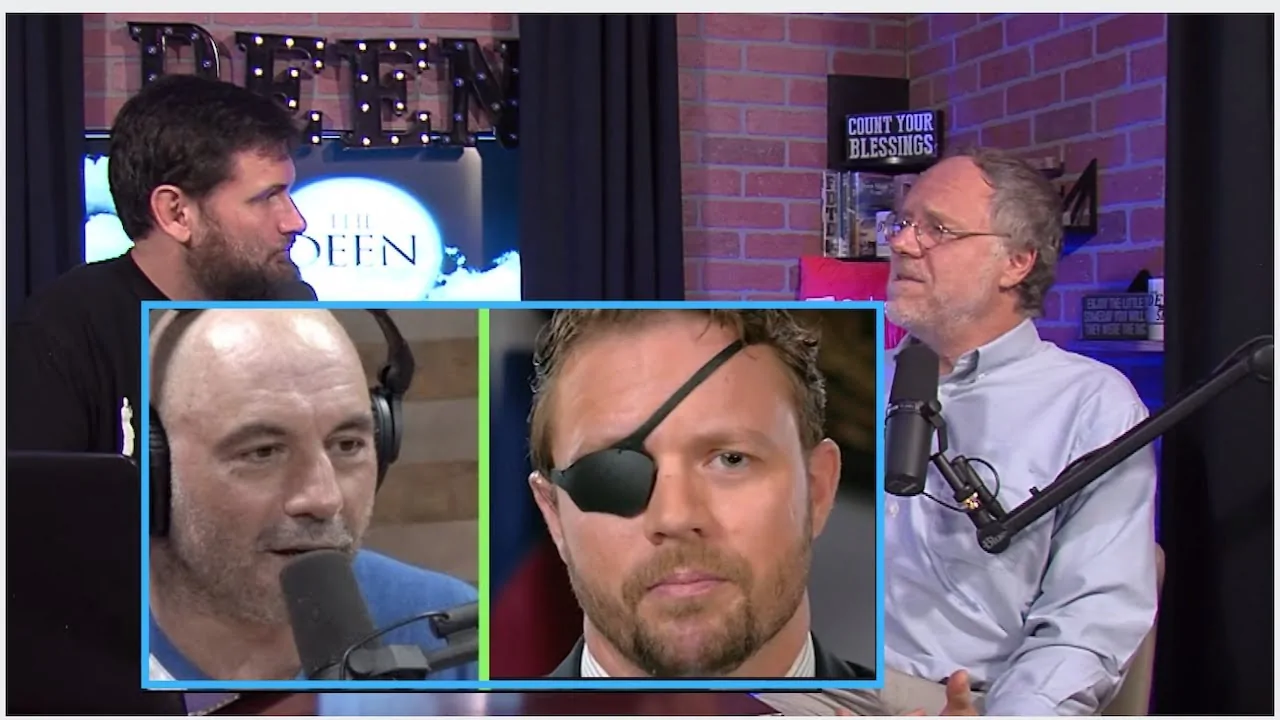
When Dan Crenshaw appeared on Joe Rogan to explain why America is still in the Middle East, the Muslim reaction was immediate and informed. This episode breaks down Crenshaw’s talking points and exposes the disconnect between the stated reasons for American military presence in Muslim-majority countries and the actual consequences: destruction, destabilization, and the loss of millions of innocent lives. The truth about American foreign policy in the Middle East is far more complex than any politician’s soundbite.
Why Are We Really Still in the Middle East?
Dan Crenshaw’s explanation on Joe Rogan followed the familiar script: national security, fighting terrorism, protecting allies. But the Muslim perspective reveals what these talking points conceal: the wars in Iraq, Afghanistan, Libya, and Syria destroyed functioning societies, killed hundreds of thousands of civilians, and created the very instability that politicians then use to justify continued presence. It is a self-perpetuating cycle that serves military and corporate interests while Muslim populations pay the price in blood.
Every reason given for staying in the Middle East ignores what American presence has actually produced: destroyed nations, millions of refugees, and the instability that justifies more intervention.
The Muslim Perspective on American Foreign Policy
- The wars in Iraq and Afghanistan killed hundreds of thousands of civilians — a fact rarely mentioned in American political discourse
- Military intervention created the instability that is then used to justify continued presence — a self-perpetuating cycle
- Muslims are not the aggressors in these conflicts — they are overwhelmingly the victims of policies made in Washington and justified by propaganda
- Islam teaches justice and the protection of innocent life, making Muslim opposition to these wars a matter of faith, not politics
Islam teaches the protection of innocent life. When American foreign policy produces hundreds of thousands of civilian casualties, Muslim opposition is not political — it is a religious obligation.