
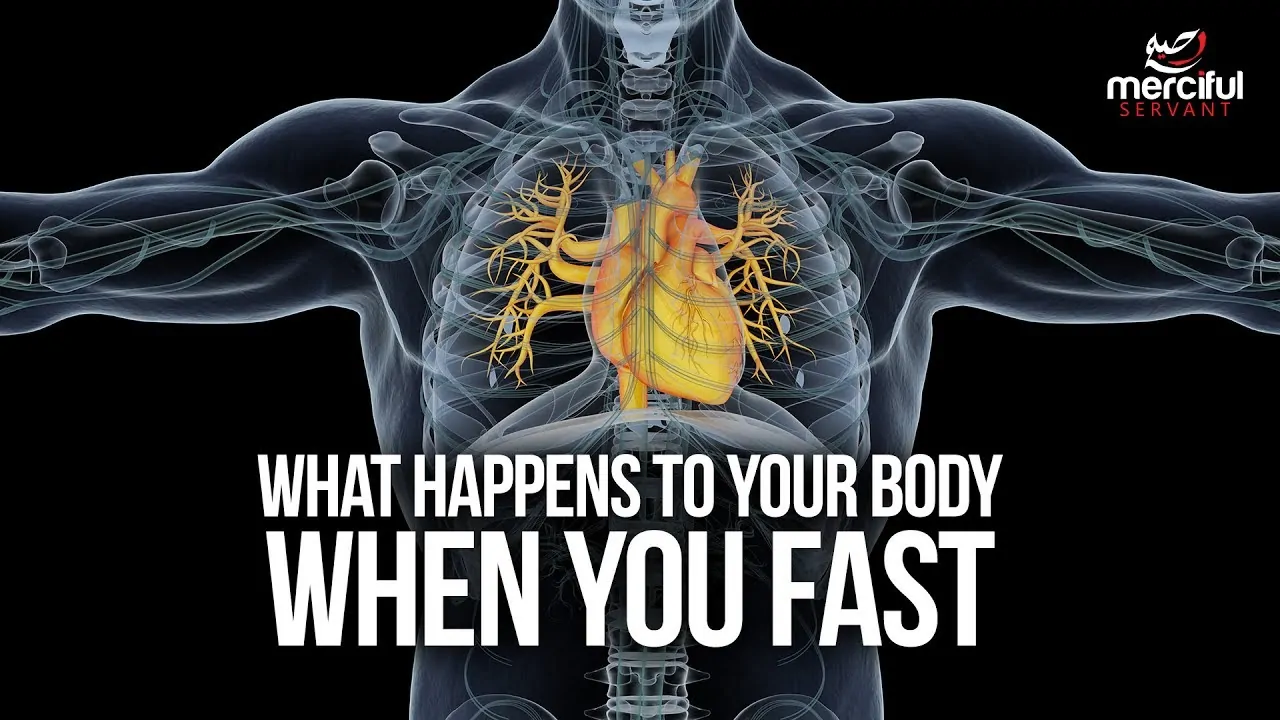
Every year, millions of Muslims around the world observe the sacred month of Ramadan by abstaining from food, drink, and other physical needs from sunrise to sunset — a practice that is as much a spiritual discipline as it is a physical one. While the fast is an act of worship rooted in divine guidance and submission to Allah, the modern world has grown increasingly fascinated by what science reveals about the body’s remarkable response to this ancient practice. Far from being a trial of mere willpower, Ramadan fasting triggers a profound biological transformation — one that unfolds in stages across the full 30 days, each with its own gifts for the body, the mind, and ultimately, the soul.
The Four Stages of Physical Transformation During Ramadan
The body’s journey through a month of fasting is not linear — it progresses through four distinct stages, each building on the last. In the first stage, during the opening days of Ramadan, blood sugar levels and blood pressure begin to drop as the body initiates its cleansing process. This is often the most challenging phase, marked by headaches, dizziness, nausea, and intense hunger as the system adjusts to a new rhythm. By the second stage, the body has begun to adapt: the digestive system finally receives the rest it rarely gets during normal eating patterns, redirecting its energy toward cellular healing and repair. White blood cells become more active, the organs embark on their restorative processes, and the body’s innate intelligence begins to work in extraordinary ways. The third stage brings a welcome shift — energy levels rise, mental clarity sharpens, and a deep sense of wellbeing emerges as the colon, liver, kidneys, lungs, and skin all participate in eliminating accumulated toxins. By the fourth and final stage — the blessed last ten days that the Prophet ﷺ devoted to intensified worship — the body reaches peak efficiency: organs complete their healing, memory improves, concentration deepens, and the body operates at maximum capacity.
The Ramadan fast is a natural and effective way for the body to detox and revitalise itself — but only when paired with a healthy eating plan and genuine mindfulness about what we consume during the non-fasting hours.
Nourishing the Fast: Practical Guidance for Body and Worship
To honour the full potential of this month, the way we eat and rest during Ramadan matters enormously. With only a few hours between Iftar and Suhoor to nourish the body, every choice carries greater weight. The key principles to carry through the month are straightforward but easy to overlook in the blessed rush of Tarawih prayers, late-night gatherings, and early morning preparations:
- Avoid processed and fried foods — they drain energy and counteract the body’s natural detoxification during fasting hours.
- Stay well hydrated — drink plenty of water between Iftar and Suhoor; dehydration is among the most common causes of fatigue and headaches during the fast.
- Limit caffeine — tea, coffee, and energy drinks dehydrate the body and intensify thirst through the daylight hours.
- Make every meal count — with a limited eating window, prioritise nutrient-dense whole foods that sustain energy and support the body’s healing stages.
- Protect your sleep — a minimum of six hours daily is essential; too little leads to sluggishness in Salah and Quran recitation, while oversleeping brings its own laziness and lost opportunity. Balance is the key.
The spiritual benefits of this blessed month are far greater than anything the physical body alone can experience — and a well-nourished, well-rested body is the very vessel through which those spiritual heights are reached.
Ramadan is a reminder that Islam addresses the human being in his or her totality — body, mind, and spirit — never treating them as separate concerns. The wisdom embedded in this divine prescription of fasting is only beginning to be appreciated by modern science, yet Muslims have lived its truth for over fourteen centuries. As you move through each stage of the fast, from the difficult first days to the extraordinary final ten nights in pursuit of Laylatul Qadr, know that every moment of patience and mindfulness carries both worldly and eternal reward. The body heals; the soul ascends. And in that union of the physical and the spiritual lies the profound, enduring beauty of Ramadan.