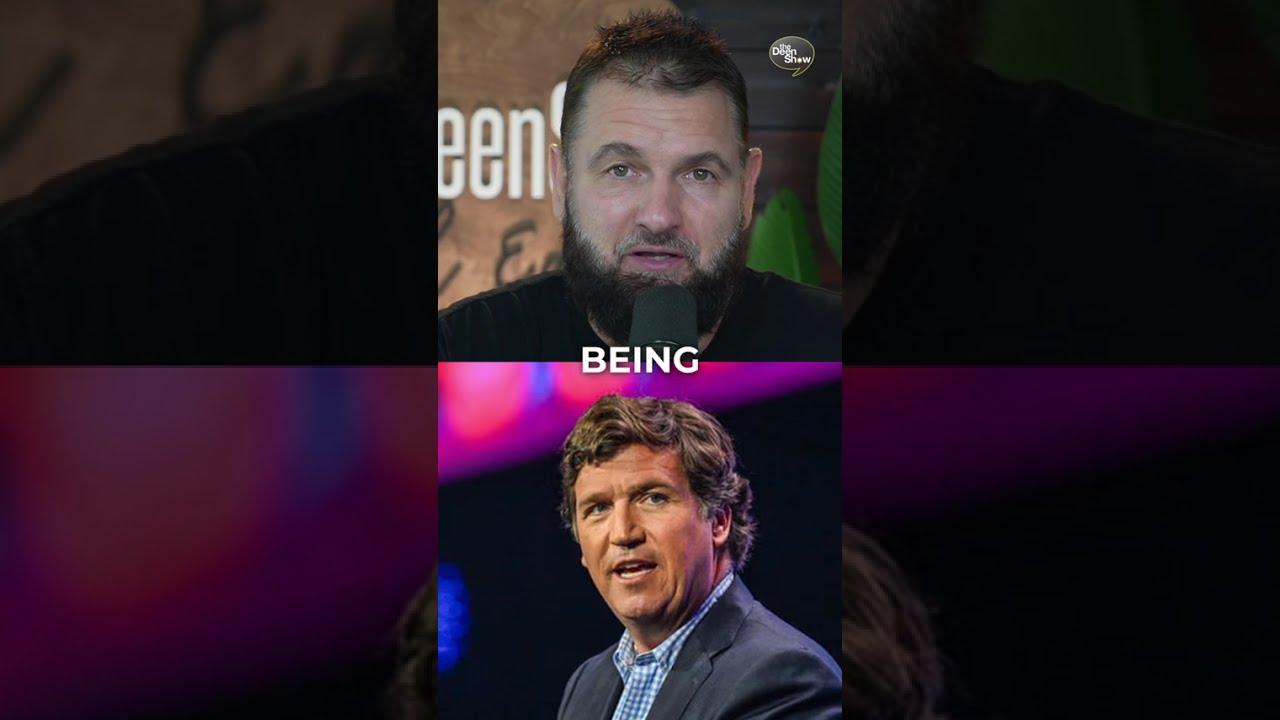
In Islam, “dating” carries a meaning that most of the mainstream world barely recognises — it is the deliberate, purposeful act of setting a meeting in the presence of a mahram, with the sincere intention of marriage. No ambiguity, no games, no wasted years. Yet today, across Muslim communities in the West, this clear guidance has been clouded by cultural baggage, social pressure, and a growing epidemic of unmarried men and women who desperately want to fulfil this half of their deen but cannot seem to find the way. Brother Jay, the Chicago coordinator for the Half Our Deen matrimonial programme, joined The Deen Show to speak candidly about what he witnesses on the ground at halal meet-and-greet events — and his observations paint a picture every Muslim family, community leader, and young believer needs to hear.
Why So Many Muslims Are Struggling to Fulfil Half Their Deen
Brother Jay identifies a crisis of preparation and personal accountability at the heart of the marriage problem in Muslim communities. Just as no one turns up to a job interview without rehearsing or building the right skills, marriage — one of the most consequential decisions a believer makes — demands deliberate, guided preparation rooted in Islamic knowledge and emotional intelligence. Yet what Jay observes repeatedly is people “jumping in blindly,” treating the nikah as a box to tick because society expects it, rather than approaching it as an act of ibadah through which they seek Allah’s pleasure and build a foundation of taqwa. Community leaders bear part of this responsibility: reactive counselling after a divorce has become the norm, while proactive pre-marriage workshops, spiritual guidance, and family-readiness seminars remain scarce. The result is predictable — broken marriages, delayed commitments, and entire generations carrying unaddressed emotional wounds inherited from dysfunctional household dynamics.
“When people want to do something haram they don’t need anyone’s permission, but when they want to do something halal — get married the right way — suddenly they need everyone’s approval. That backwardness in society is something we need to call out.” — Brother Jay, The Deen Show
- Men avoiding commitment: Many Muslim men delay marriage due to fear of financial instability, the “grass is greener” mentality, or emotional immaturity — telling women what they want to hear with no intention of formalising the relationship the halal way.
- Women delaying for career: Social and parental pressure to finish education and establish a career first is pushing many women into their late 20s and 30s before seriously pursuing marriage, shrinking the pool of compatible matches and narrowing the window for starting a family.
- Unrealistic expectations: Some women hold out for a standard of man that statistically less than 1% can meet, further prolonging the search and deepening frustration on all sides.
- Parents making halal hard: First-generation immigrant parents, focused on survival and academic achievement, often lack the tools to guide their children through the specific realities of finding a spouse in a Western context.
- Lack of pre-marriage support: Muslim institutions are still catching up on providing structured premarital education, leaving couples spiritually and emotionally unprepared for the demands of married life before they even begin it.
A Growing Epidemic — and the Mercy-Centred Solutions Islam Already Provides
One of the most striking observations from Jay’s time at matrimonial events is the visible, widening gap between women ready to marry and men willing to step up. At a recent on-site session, a 20-year-old college student — emotionally mature, clear in her purpose, and actively seeking a spouse — had ten men waiting to speak with her. Meanwhile, accomplished women in their mid-30s, professionals by every worldly measure, sat with no one approaching. This is not a condemnation of education or ambition — Islam actively encourages both — but it is a frank acknowledgement of a biological and social reality the community can no longer avoid. In the UK especially, the problem is worsening: educated, pious women who have done everything right are unable to find a husband, not because they are unworthy, but because the structures to facilitate their marriage simply do not exist at scale. This has led women in British Muslim communities to call upon scholars and imams to advocate for them publicly — and in contexts where marriageable women far outnumber available men, a serious, mercy-centred conversation about the Islamic permission of polygyny is being revived, remarkably, not only within Muslim circles but among non-Muslim communities grappling with the exact same demographic and social crisis.
“Marriage in Islam is not just about love or companionship — it is a protection. It protects the woman, the man, the children, and it protects society from the moral collapse that follows when relationships outside the boundaries Allah has set become normalised.” — The Deen Show
The road forward is not complicated, but it requires honesty, courage, and a sincere return to the prophetic model of marriage as a spiritual act grounded in taqwa and mutual responsibility. Muslim communities need proactive pre-marriage education built into their masajid and Islamic centres — not as an afterthought once divorce looms, but as a celebrated rite of passage that prepares believers spiritually and emotionally long before the moment of commitment arrives. Men must confront the fear of commitment that masquerades as pragmatism and recognise that halal marriage is not a trap but a divine mercy — a structure that elevates both spouses and safeguards the moral health of the ummah. Women deserve to feel empowered to pursue marriage alongside education, not sequentially after it, and communities must build the infrastructure that makes this possible through well-run, dignified, and genuinely Islamic matchmaking spaces. Above all, every Muslim who earnestly desires to complete half their deen deserves the full support of their brothers, sisters, leaders, and families — because when individuals are left to navigate this alone in an environment saturated with haram alternatives, the cost is paid not just by the individual, but by the entire fabric of the Muslim family and the society it is meant to strengthen.