Modesty and shame (haya) are among the most cherished qualities in Islam, considered branches of faith itself. The Prophet Muhammad (peace be upon him) said: “Haya (modesty) is a branch of iman (faith).” This short reminder draws from the Quran to highlight how seeking forgiveness and maintaining modesty are inseparable from the life of a believer.
Turning Back to Allah in Repentance
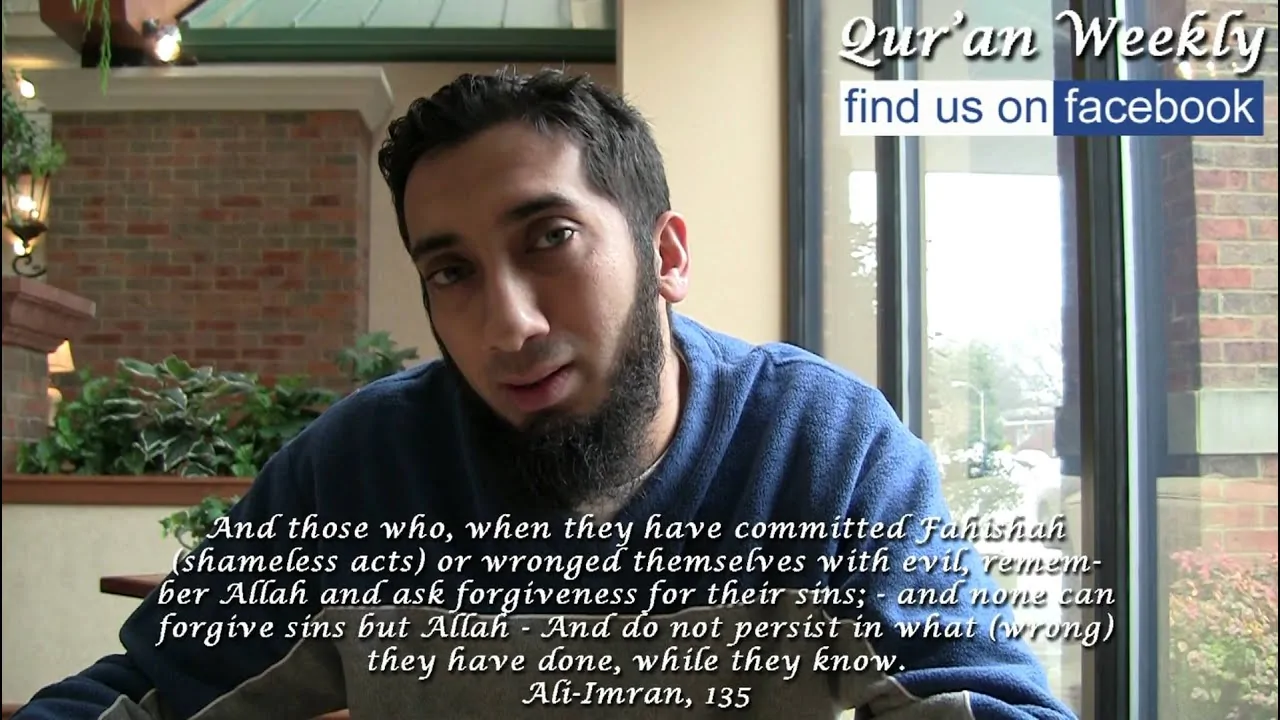
Allah says in the Quran: “And those who, when they commit an immorality or wrong themselves, remember Allah and seek forgiveness for their sins — and who can forgive sins except Allah? — and do not persist in what they have done while they know” (Quran 3:135). This verse is a source of immense hope: no matter how far a person has strayed, the door of repentance is always open with Allah.
“And those who, when they have committed an immorality or wronged themselves, remember Allah and seek forgiveness for their sins — and who can forgive sins except Allah?” — Quran 3:135
Haya: The Defining Characteristic of a Muslim
Modesty in Islam goes beyond clothing — it encompasses speech, behavior, gaze, and interactions. A person with haya naturally avoids what is shameful and gravitates toward what is dignified and pleasing to Allah. The Prophet (peace be upon him) taught that modesty brings nothing but goodness, and that it is a quality that distinguishes the believers.
- Haya (modesty/shame) is a branch of faith according to the Prophet
- Repentance and seeking forgiveness are always available to the believer
- True modesty encompasses dress, speech, behavior, and character
- Persisting in sin while knowing it is wrong is what the Quran warns against
“Haya (modesty) does not bring anything except goodness.” — Prophet Muhammad (peace be upon him)