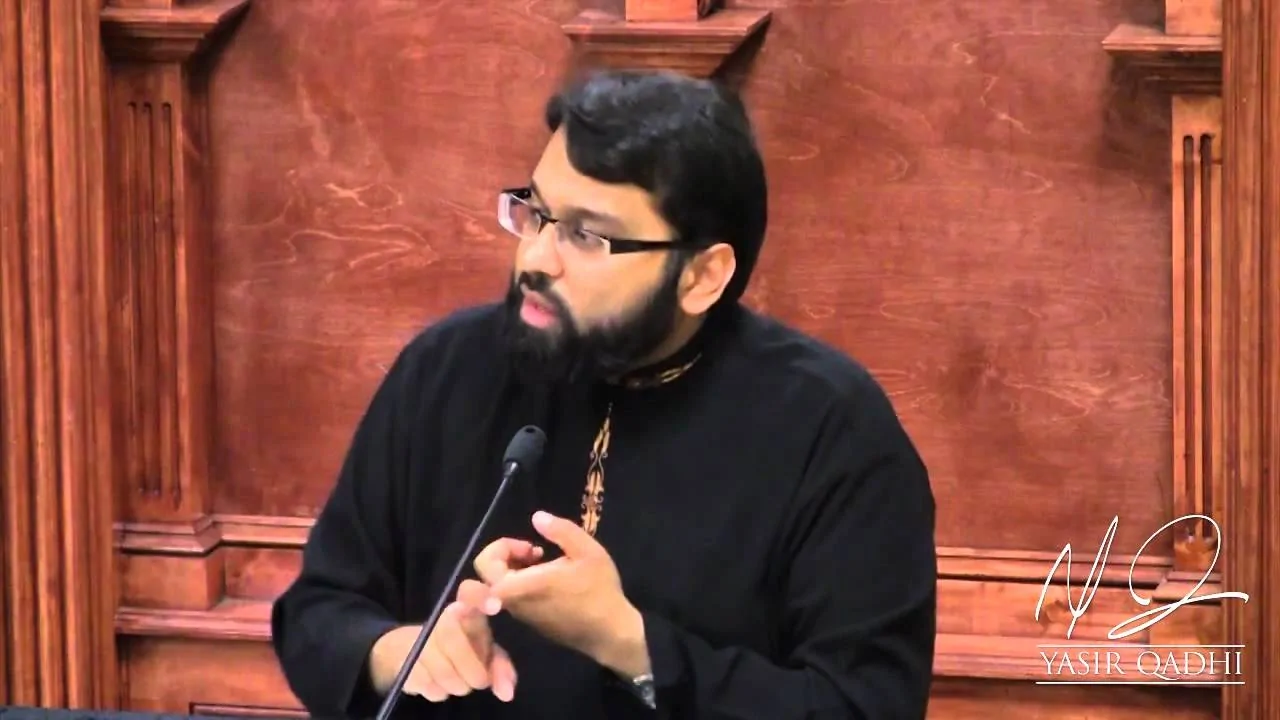
This Seerah lecture covers the historical context of pre-Islamic Arabia in the centuries leading up to the birth of Prophet Muhammad (peace be upon him), focusing on the civilizations that rose and fell, the gradual corruption of Ibrahim’s monotheism, and the remarkable signs that pointed to the coming of the final prophet. From the ancient ruins of Thamud and Aad to the remnants of the People of the Book, Allah was preparing the world for the greatest message ever delivered to humanity.
Arabia Before Islam — A World in Spiritual Darkness
By the time of the Prophet’s birth around 570 CE, the Ka’bah that Ibrahim had built for the worship of one God was surrounded by 360 idols. The powerful civilizations of Thamud and Aad — nations destroyed for rejecting their prophets — had faded into legend. The Arabs had no unified creed: some believed in the Day of Judgment while others denied it, but the one thing they all shared was the worship of idols alongside Allah. Even the monotheistic legacy of Ibrahim survived only in trace elements: the rituals of Hajj, the sacredness of the Ka’bah, and the practices of Safa and Marwa.
“The Quran tells us that Allah looked at the people of the earth and hated them — their Arabs and their non-Arabs — except for the remnants of the People of the Book. Into that spiritual darkness, He sent Muhammad as a light and a mercy for all the worlds.”
Signs That Pointed to the Coming Prophet
- The monk Bahira recognized signs of prophethood in the young Muhammad during a trade caravan to Syria — a well-known incident recorded in the Seerah traditions
- The Roman Emperor Heraclius, upon receiving the Prophet’s letter inviting him to Islam, investigated and acknowledged that the description matched that of a true prophet
- Waraqah ibn Nawfal, a Christian scholar and cousin of Khadijah, immediately recognized the first revelation as the same angel (Namus) that had come to Moses — confirming the continuity of prophethood
- The corruption of Christianity through Paul’s innovations, the Council of Nicaea in 325 CE, and the Trinity doctrine left the world without an authentic prophetic message — until Muhammad was sent to restore it
“The Prophet, may God bless him and grant him peace, said: ‘My Lord commanded me to teach you what you do not know of what He has taught me.’ He was sent at a time when the earth was most in need of divine guidance — and his message remains the light that guides humanity to this day.”
Understanding the world before Islam helps us appreciate the magnitude of what Prophet Muhammad (peace be upon him) accomplished. He transformed a society steeped in idolatry, tribalism, and moral decay into the most just and God-conscious civilization in history — all through the power of divine revelation and the perfection of his character.