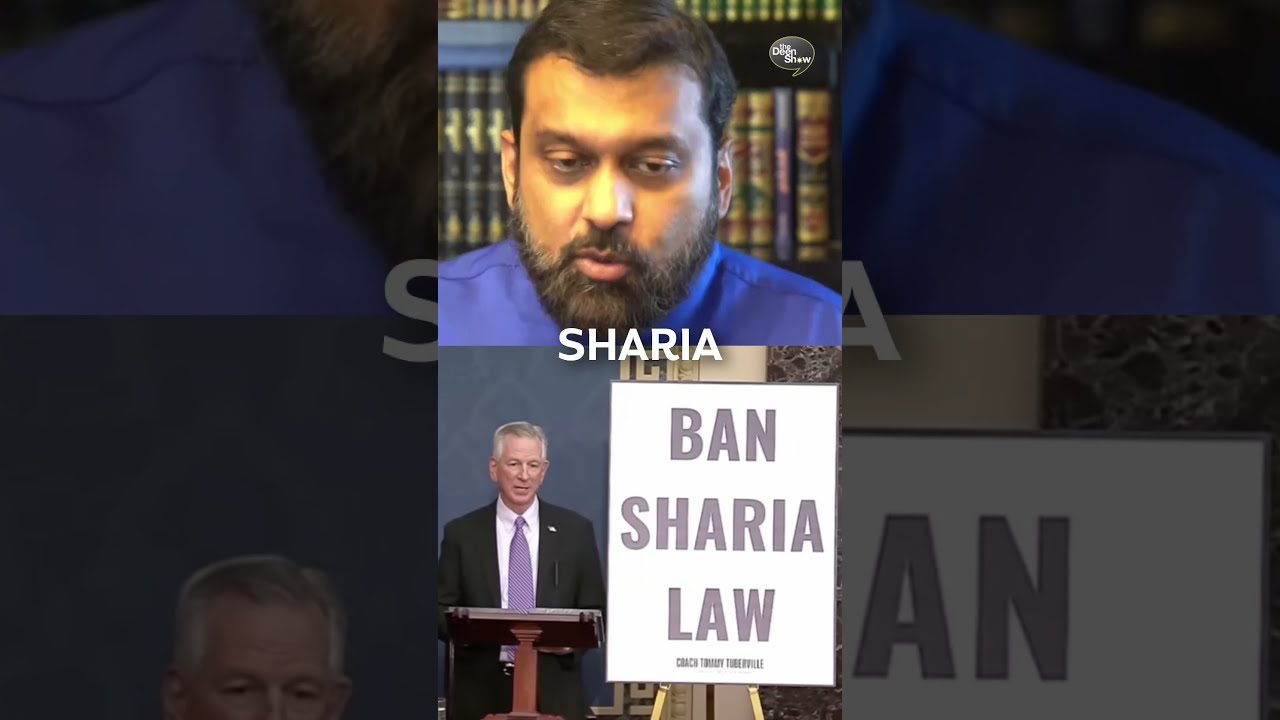
The word “Sharia” makes many people nervous, but most have never learned what it actually means. In its simplest definition, Sharia is the law decreed by Allah — the Creator who knows His creation better than anyone else. It encompasses two dimensions: the laws of worship (how we relate to God) and the laws of dealings (how we interact with each other, with commerce, with nature, and with society at large).
Fixed Principles and Flexible Application
One of the most misunderstood aspects of Islamic law is that it contains both unchangeable principles and flexible applications. Interest-based lending, for example, is always forbidden because it always leads to economic destruction — a reality the entire world witnessed during the global recession. But the form of currency used for trade — gold, silver, paper money, or digital — is left flexible for people to adapt to their time and circumstances.
“God is the most just, so He sent the guidance. Otherwise, it would be left for you to figure it out — and you would be making mistakes, bumping into this and that. So He sent a complete way of life.”
When Sharia Was Actually Implemented
- During the Islamic Golden Age in Andalusia (Muslim Spain), Sharia governance produced one of the most advanced civilizations in human history
- Jews, Christians, and Muslims lived together in peace — scientists of all faiths flourished under Muslim rule
- Muslims were not persecuting scientists; they were leading in science while translating and building upon knowledge from around the world
- Freedom of speech and scholarly debate thrived — the only restriction was blasphemy against God, the Creator of all
“The best way to check this is through the books that survived from that period. Muslims were leading in science, and it was also a chance for scientists from other religions to flourish under Muslim law.”